What hairy crab season means in autumn 2026
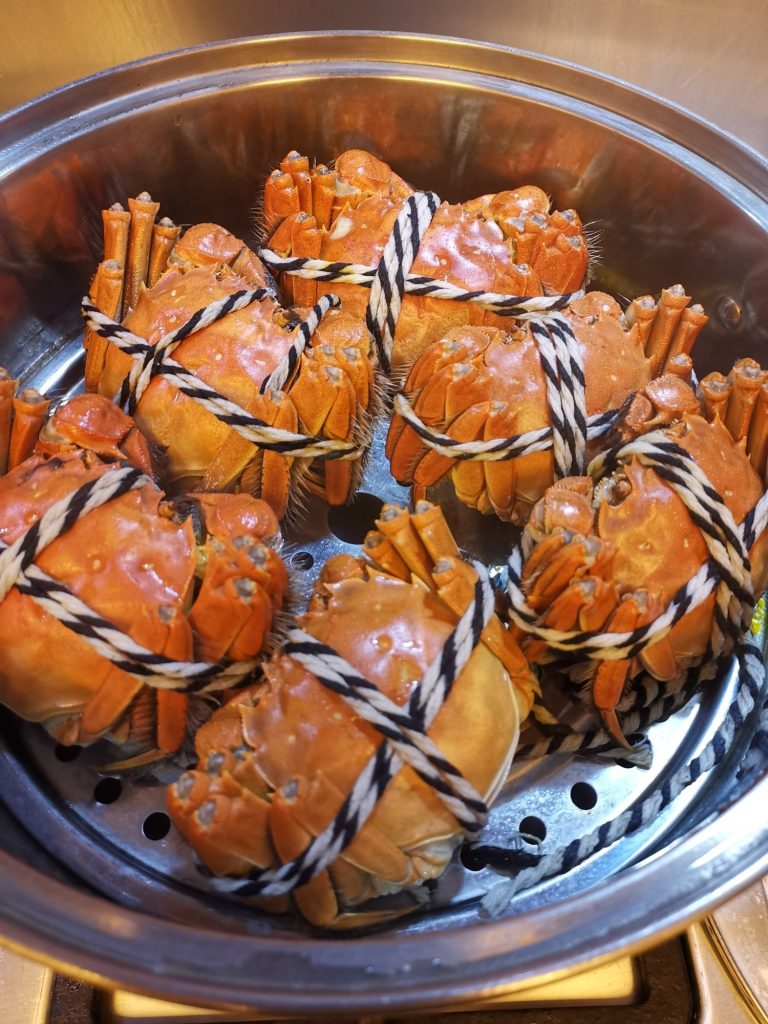
Hairy crab, or dazhaxie (大闸蟹), is the Jiangnan autumn ritual English travellers hear about as soon as September cools: steamed freshwater crabs tied with reed or string, cracked open for rich roe and creamy meat, then dipped in ginger vinegar. Shanghai is a classic place to try them, alongside lake-country reputations such as Yangcheng Lake. For first-timers this guide is practical for autumn 2026 — timing, ordering, and table etiquette — not a fake price list. Broader Jiangnan context also appears in our hairy crab season Jiangnan 2026 overview; here the focus is how to order and eat without stress in Shanghai.
Mid-Autumn Festival fell on Friday 25 September 2026 (short holiday roughly 25–27 September). Ordinary workdays return Monday–Wednesday 28–30 September. National Day Golden Week runs roughly 1–7 October 2026, with a makeup workday on Saturday 10 October 2026 per State Council notice 国办发明电〔2025〕7号. Crab dinners spike on reunion nights and Golden Week evenings — book or go early, and leave buffer around Yu Garden or Bund walks.
Season timing is cultural and biological, not a single official “opening day” you must memorise. Peak interest typically builds through autumn as crabs fatten; exact quality varies by source, size, and kitchen. Ask restaurants what is available today rather than demanding a brand-name lake stamp from a street flyer.
Male, female, size, and what to expect on the plate
Female crabs (jiang xie) are prized for orange roe; males (xiong xie) for fuller meat in some seasons. Houses and families debate preferences — there is no single correct answer for first-timers. Size is often discussed in liang (Chinese ounces); menus may list grades. Larger is not automatically better if the meat is watery. A good steamed crab should smell clean and sweet, not ammonia-sharp.
Crabs usually arrive whole, steamed, still tied or freshly unbound, with a small dish of ginger vinegar. Tools may include a cracker, pick, or simply chopsticks and hands (with wet towels). Expect messy fingers. Shell waste bowls are normal. If you want help, ask staff to demonstrate the first crack — many are used to first-timers.
Do not drown every bite in vinegar before tasting the roe and meat. The ginger vinegar cuts richness; it should not erase flavour. Warm Shaoxing-style wine or tea often appears nearby; follow your own alcohol limits.
How to order without guessing
Useful phrases:
- 大闸蟹 (da zha xie) — hairy crab
- 母蟹 / 公蟹 — female / male
- 几只 — how many crabs
- 清蒸 — steamed (classic)
- 姜醋 — ginger vinegar
- 不要太咸 / 少醋 — not too salty / less vinegar
- 帮忙拆 — please help crack / open (polite ask)
- 预订 — reservation / pre-order when the house requires it
Point to menu photos if English boards are thin. Confirm whether crabs are priced per piece, per set, or by size grade. Do not rely on remembered blog prices — check the menu or ask staff for today’s range. Some restaurants require advance booking in peak weeks; hotel concierges and Chinese-speaking friends can help call.
Payments: Alipay / WeChat Pay. Maps need data — see SIM / eSIM for foreign visitors. Pair a crab dinner with lighter Shanghai snacks another day — xiaolongbao technique or scallion oil noodles — rather than stacking every icon in one stomach session.
Taste notes for first bites
Expect sweet crab meat, rich roe when present, and a clean steamed aroma. Ginger vinegar should brighten, not burn. The meal should not smell muddy or taste only of salt. Busy restaurants that steam to order are usually safer than trays that sat lukewarm. If a crab smells off, stop and tell staff politely — do not force it.
Hairy crab is often a shared seasonal treat for two or more people rather than a solo street snack. Hungry travellers can add a simple vegetable or tofu side; stacking crab plus a full hotpot the same night is ambitious.
Etiquette and table manners
- Use tools provided; keep shell fragments in the waste bowl, not on the tablecloth edge.
- Wash or wipe hands before touching shared dips again.
- Do not blow shells across the table.
- Phones and crab juice mix poorly — wipe hands before photos.
- Finish what you can; messy leftovers are expected — you are not graded on perfect shell archaeology.
- If sharing, agree who gets which crab rather than grabbing the last female without a smile.
Busy Shanghai crab rooms fill early on peak autumn nights. Keep bags off walkways. If you are unsure how to open a crab, ask — smiling questions beat silent struggle.
Where to try (types of venues, not a fake list)
Look for reputable Jiangnan or Shanghai restaurants with steady local bookings rather than empty rooms that only advertise “Yangcheng” in giant English neon. Hotel Chinese restaurants can be fine for a cautious first crab dinner with English support. Long-running local halls and carefully chosen banquet rooms often handle seasonal crabs more carefully. Tourist strips after a long Bund photo walk can be hit-or-miss — eat when you are hungry and have time, not when you are dehydrated and rushed.
Chain and banquet brands exist; quality varies by outlet and by the day’s stock. One well-cooked set with tea can teach you more than a dozen rushed street crabs of unknown cold-chain history.
Buying, gifting, and holiday context
Autumn crab gifting is common among colleagues and families. If you receive live crabs, ask the giver or hotel staff how they prefer them cooked, or take them to a restaurant that will steam customer crabs when that service is offered. Live crabs need careful handling — do not leave them in a warm hotel bathroom all afternoon.
Near Mid-Autumn and Golden Week, crab dinners compete with reunion tables and tourist bookings. Build slack. If your first choice is full, pivot to a simpler Shanghai noodle lunch and try crab another night rather than accepting a dubious unmarked stall under holiday pressure.
Common mistakes
- Assuming every crab labelled “Yangcheng” is a guaranteed grade
- Ordering too many crabs for two people on a first try
- Skipping ginger vinegar then calling the dish “too rich”
- Scheduling a hard HSR or flight immediately after a leisurely crab banquet
- Wearing a favourite pale shirt without a napkin strategy
- Mixing crab plus heavy shengjianbao plus fried snacks in one stomach session without pacing
First-timer checklist
1. Confirm male/female preference and portion count.
2. Ask today’s size grade and cooking style (usually steamed).
3. Taste before drowning bites in vinegar.
4. Keep holiday timing slack near Mid-Autumn and Golden Week.
5. Bring patience for shells — and wet towels.
FAQs
When is the season? Autumn into cooler months; ask what is best today in 2026.
Female or male? Roe vs meat preference — try one of each if sharing.
Raw? No — classic service is steamed hot.
Allergy? Shellfish allergy means skip entirely.
Kids? Possible with help cracking and mild vinegar — watch shells.
Pairing Shanghai days without stomach overload
A classic mistake is breakfast soup dumplings, lunch crab banquet, afternoon pastry crawl, night hotpot. Pick a lane: crab as the dinner centrepiece after a French Concession autumn walk, or a lighter noodle lunch if you already have a banquet that night. Tea helps. Keep dessert small.
Cool clear autumn evenings are ideal for crab dinners. Rainy nights also suit indoor banquet rooms. Carry a light layer; restaurant AC can feel icy after Bund wind.
Allergies, dietary notes, and polite refusals
Shellfish is the core allergen. Soy and vinegar appear in dips. Shared steamers and knives mean cross-contact with other seafood is possible. If you have a shellfish allergy, choose another Shanghai classic entirely.
Polite refusal script: smile and say 我过敏,不能吃蟹 (wo guomin, buneng chi xie) if allergic, or 我不要醋 for no vinegar. Staff are used to first-timer questions. Tipping culture is not the same as in many Western restaurants; follow local payment norms via Alipay or WeChat.
Holiday crowds and pacing
Near Mid-Autumn and Golden Week, build slack into every plan. A delayed metro ride plus a full crab hall plus a timed garden ticket is the classic stress triangle. Choose two food priorities per day, not five. If rain arrives, crab and tea are an excellent indoor plan — if you can still get a table.
Carry tissues, hand sanitiser, wet wipes, and a power bank. Busy venues stretch toilet lines on holidays. Drink water even when the air feels cool. If you travel with kids or older relatives, schedule help with cracking before anyone gets frustrated.
Screenshot the Chinese name 大闸蟹 before you lose signal in a basement dining room. When staff write a number on a pad, confirm whether it is price, crab count, or wait-time. Smiling confusion is normal; rushing creates wrong orders and over-ordering.
Lovely China was founded in 2025 to publish practical English guides for travellers and expats. Questions or a broken link: [email protected].
Before you go (quick mental rehearsal)
Know the Chinese name, confirm count and male/female, taste before heavy vinegar, plan napkin strategy, and leave buffer before trains or timed tickets. That rehearsal prevents most first-timer stress. Lovely China founded 2025 — [email protected].