The departure board blinked first
Mid-Autumn Day had been Friday 25 September 2026. The short holiday covered roughly 25–27 September; bridge workdays 28–30 September waited with badge beeps; Golden Week 1–7 October and makeup Saturday 10 October waited further, per State Council notice 国办发明电〔2025〕7号. You were in an HSR station at the end of the festival window, rolling a suitcase that had gained a mooncake tin and lost some dignity.
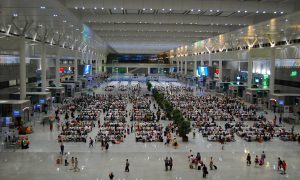
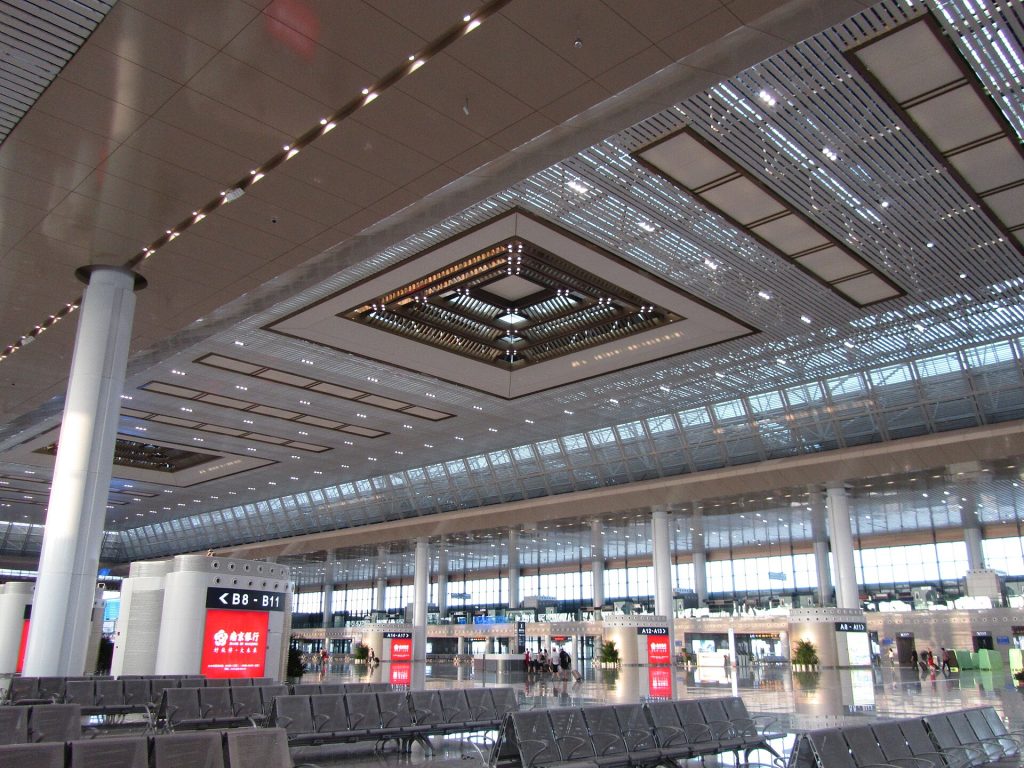
The concourse sounded like wheeled luggage and delayed decisions. Announcements braided Chinese place names into a rhythm you could follow even when your Mandarin was thin. Somewhere, a child negotiated for one more snack. Somewhere else, a couple compared seat maps like weather.
Why this station moment felt like a hinge
Festival Eve stations are theatre — Eve train station survival. End-of-holiday stations are quieter in emotion and busier in logistics. People are not rushing toward reunion tables; they are returning toward Monday. The moon is already a story. The ticket is the plot.
You had not meant to cut it fine. A last lunch became a last walk became a last “one more alley.” The phone’s battery percentage became a character. You joined the security line with the humility of someone who finally believes screens about gate times.
Inventory of a festival ending
Your bag held:
- One sealed tin you would not finish alone — reciprocity could wait for bridge days — returning mooncake gifts
- A shirt that smelled faintly of pomelo and metro air
- Passport / permit in the zip pocket you touch too often
- Screenshots of train number, carriage, seat, and the Chinese station name
You drank water standing up, like a person who respects queues. You did not open the tin. Sugar and security bins are a bad duet.
Faces without inventing their novels
A student slept on a folded hoodie. A man in a company polo refreshed a chat that was probably about 28 September coverage. An elderly traveller moved with the calm of someone who has outwaited many holidays. You did not film them. Crowd content is not culture; yielding space is.
A foreign couple nearby whispered seat letters. You recognised the dialect of travellers who learned the hard way that “south station” and “station” are different empires. You nodded once, the way strangers nod when the board is the shared language.
What you almost did wrong
You almost trusted memory from the outbound day. Platforms rearrange your confidence. You almost ran when the board updated. Running with a tin is comedy until it is injury. You almost answered a work email in the security tray moment. The tray won; work could wait for the train vestibule or, better, for Monday triage — office return after Mid-Autumn.
You had already learned the Mid-Autumn version of last-minute tickets — last-minute HSR on Mid-Autumn Eve. Today’s lesson was smaller: early is a love language you can offer yourself.
The waiting hall’s low festival light
Lantern decorations still hung in one corner like polite leftovers. A bakery kiosk sold pastries that were not mooncakes and somehow still felt related. QR payment was the default — Alipay / WeChat Pay. You bought tea. You sat on the edge of a seat someone else would need soon and kept the aisle clear.
Quiet was relative. Stations are never silent. But the emotional volume had dropped since Eve. People looked forward, not ceremonial. That was its own Mid-Autumn ending: the city returning you to ordinary motion.
On the platform, wind and brakes
The train arrived with the blunt kindness of engineering. You boarded without choreography. Overhead racks filled with bags that had also eaten gifts. You stowed the tin where it would not become a missile. You sat in the assigned seat because contested seats are a weekend you do not need — etiquette cousins in HSR etiquette and later Golden Week return rush.
A child waved at the glass as if the platform could wave back. You checked your phone once for family, then put it face down. Explaining festivals can wait — explaining Mid-Autumn — because the carriage preferred lower voices.
What the ride carried besides people
It carried the smell of oranges. It carried the soft clack of games on phones. It carried your awareness that 27 September was ending and 28 September would not care how poetic your weekend was. Bridge days would ask for tools, manners, and sleep — bridge workdays. Golden Week arguments about leave would arrive soon enough — asking for Golden Week leave.
You watched fields and edges of cities blur. Mid-Autumn does not end when the moon sets. It ends when the ticket scans and the ordinary week resumes.
Messages that find you between cities
A roommate sent a kitchen photo. You sent the seat-back sky. No contest. A manager asked if you were “back online tonight.” You replied that you were on the train and would update tomorrow morning. Boundaries practice fits in 4G as well as in apartments — quiet apartment after Mid-Autumn.
Someone asked you to receive a package tomorrow. You said lobby yes, storage unit no. The tin in your bag was already enough unpaid logistics.
If your station looks like this too
Practical rules the story still supports:
1. Arrive earlier than pride suggests
2. Keep ID ready; screenshots help but do not replace documents
3. Follow today’s platform screens, not outbound memory
4. Pack gifts so they do not punish aisle neighbours
5. Eat neat food; save strong leftovers for home
6. Answer only the messages that need an answer between cities
7. Let the train be a hallway between festival and bridge days
For readers who feel the holiday ended without a bow
Stations are honest architecture. They do not applaud your reunion quality. They scan tickets. If your Mid-Autumn was a balcony and a walk — alone on Mid-Autumn Day — the return train still counts as part of the festival’s shape. You showed up to the calendar. That is enough.
Closing
The carriage lights stayed steady. Outside, dusk negotiated with industrial glow. You rested your forehead near the cool window for one second, then sat properly again. The tin stayed closed. The phone stayed down. Somewhere ahead, your city was already rearranging itself into Monday. Behind you, Mid-Autumn’s short holiday completed its last useful act: getting people home before the ordinary alarms.
Lovely China founded 2025 — for English travellers and expats learning when to chase the moon and when to trust the departure board. [email protected].
For the person who almost missed the train
You made it with minutes that felt like hours. Next time, reverse the romance: do the alley walk first, then the station buffer. Mid-Autumn will still count. Bridge days prefer you upright. If you are reading this before Golden Week travel, buy the return seat earlier than your optimism wants — booking HSR before Golden Week.
Later, when the suitcase opens at the door
You will unpack the tin and decide whether it becomes office courtesy or fridge homework. You will hang the shirt. You will set an alarm for 28 September. The station will shrink to a memory of wheels and tea. Keep the useful part: early arrival, clear screenshots, fewer heroic delays. Festivals end in concourses as often as they end in courtyards.
Practical takeaways you can keep
1. End-of-holiday HSR moments are logistics with feelings, not failure.
2. Treat station screens as fresher than memory.
3. Pack festival gifts like the train will brake.
4. Protect Monday energy on the ride, not in the security tray.
5. Reply to kindness; postpone inbox archaeology.
6. Let the scan of a ticket be a valid closing ritual.
One more detail before the final stop
A conductor passed; you showed your seat with the calm of a person who belongs on this train because the ticket says so. Rain dotted the glass. Umbrella still in the side pocket. You had not wasted the last holiday day; you had spent it becoming ready. When the station name you needed finally appeared, you stood without panic, tin secure, documents near. Mid-Autumn ended not with a speech, but with a walk up the aisle toward bridge days — ordinary, crowded, and strangely gentle.