The minibus groaned in second gear as it climbed the switchbacks above the Jiulong River, the morning mist clinging to the bamboo groves like wet cotton. Through the window, the tile roofs of Sanming’s older districts gave way to steep, forested ridges. I had left Xiamen before dawn, three hours on the expressway and then the final stretch on a two-lane mountain road that follows the river’s curves. By the time the driver announced the central stop, the air had cooled ten degrees and smelled of pine resin and woodsmoke.
Getting There
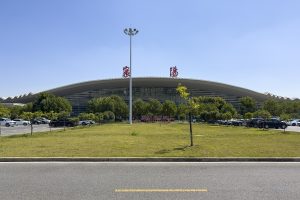
Sanming sits deep in the Fujian interior, far enough up that the Japanese advance stalled in the valleys during the war. Today the journey is straightforward. High-speed trains from Xiamen North or Fuzhou South reach Sanming North in roughly two hours; the station lies twenty minutes by taxi from the city center. If you prefer the road, coaches depart every half-hour from the long-distance hubs in both coastal cities. The expressway climbs through tunnels and over viaducts, cutting the old travel time in half. Drivers who rent a car should be comfortable with mountain grades and occasional fog banks that roll in after lunch.
Moving Around the City
The urban core spreads along the Sha River, with the main sights clustered within a few kilometers. Public buses are cheap and frequent, though the route maps are only in Chinese. Ride-hailing apps work reliably; a trip across town rarely exceeds twenty yuan. For the parks and temples on the outskirts, a hired driver for the day costs about three hundred yuan and saves hours of waiting. Many visitors rent electric scooters from shops near the train station — helmets are provided, but the traffic rhythm takes some getting used to.
Unicorn Mountain Park: The City’s Green Crown
Qilinshan — Unicorn Mountain — rises directly behind the eastern districts. A cableway of hanging chairs lifts you from the gate to the summit in ten minutes, each chair swaying gently over the canopy. At the top, a broad platform rings a pavilion where elderly men play xiangqi on folding tables. Trails radiate toward lesser peaks; the most popular loops past a tea house serving oolong brewed with spring water from the mountain’s own source. Halfway down, an arts and crafts hall displays Shaxian woodcarvings and Taining bamboo weaving. Weekends draw families flying kites; weekdays belong to joggers and photographers chasing the sea of clouds that forms after rain.
Pedestrian Street: Shopping and Snacking After Dark
When the sun drops behind the ridges, Sanming Pedestrian Street lights up. The lane runs perpendicular to the river, its pavement polished smooth by decades of footsteps. Storefronts sell everything from knock-off sneakers to hand-stitched cloth shoes. The real action, though, is at the food stalls spilling onto the curbs: skewers of pork belly brushed with chili-honey glaze, bowls of rice noodles in pork-bone broth, and the city’s signature fried gluten — golden nuggets crisp on the outside, steaming and chewy within. Vendors expect cash or mobile payment; a few words of Mandarin or a translation app gets you the portion size you want.
Eating the Local Way: Fried Gluten and Beyond
Sanming fried gluten arrives in a paper bowl, tossed with scallions, dried chili flakes, and a splash of dark vinegar. The gluten itself is made by washing wheat flour dough until only the elastic protein remains, then cutting it into bite-sized chunks and deep-frying in peanut oil until the surface blisters. The interior stays soft, absorbing the sauce. A proper version crackles when you bite, releasing steam that carries the nutty aroma of the oil.
- Wheat flour — high-gluten variety works best
- Water — cold, for kneading
- Peanut oil — for deep frying
- Scallions — finely sliced
- Dried chili flakes — adjust to heat preference
- Dark vinegar — aged Chinkiang style
- Light soy sauce — for salinity
- Sugar — a pinch to balance
- Knead flour and water into a stiff dough; rest twenty minutes.
- Submerge dough in a basin of water. Knead and squeeze, changing the water until it runs nearly clear — the starch is gone, leaving raw gluten.
- Tear gluten into walnut-sized pieces.
- Heat peanut oil to 180°C. Fry pieces in small batches until puffed and golden, about ninety seconds.
- Drain on a wire rack.
- Toss hot gluten with scallions, chili, vinegar, soy sauce, and sugar. Serve immediately.
In restaurants, order “you mian jin” and ask for “la zi duo” if you want extra chili. A common mistake is letting the dish sit; the gluten softens into something closer to a dumpling skin within ten minutes. Eat it standing at the counter if you can — that is how the regulars do it.
Seasonal Rhythms and Local Expectations
Spring brings the tea harvest; the hills around Taining and Jiangle turn bright green, and farmers invite visitors to roast fresh leaves in iron woks. Summer is hot in the basins but cool on the ridges — locals escape to the river beaches near Yong’an for night barbecues. The Mid-Autumn Festival, the fifteenth day of the eighth lunar month, fills the parks with lanterns and mooncake stalls. Winter is quiet; some mountain roads close after heavy frost. Wherever you go, greet elders with a slight nod, remove shoes before entering a home, and never stick chopsticks upright in a rice bowl. The city moves at its own pace — buses run late, meals last two hours, and no one rushes the tea.
What Newcomers Get Wrong
First-time visitors often treat Sanming as a day trip from the coast. It deserves at least two nights: one for the mountain park and the pedestrian street, another for a side trip to the Danxia cliffs of Taining or the tulou clusters in Nanjing County, both reachable within ninety minutes by car. Another error is skipping the morning market on Zhongshan Road — the best produce, the loudest banter, the truest sense of the place. Finally, don’t assume English menus exist outside the major hotels. Carry a photo of the characters for fried gluten, rice noodles, and steamed fish; it saves both you and the server a pantomime.