The minibus rattles over the bridge spanning the Yellow River just west of the city center, the water below a thick, latte-colored ribbon pushing hard against the concrete piers of the Sanmenxia Dam. To the left, the river widens into the reservoir, swallowing the lower slopes of the surrounding hills; to the right, the current squeezes through the Three Gates Gorge — the San Men that give the city its name — where legend says the mythical Yu the Great cleaved the mountain with a divine axe to let the floodwaters escape. Steam rises from a vendor’s cart at the bridgehead, selling roasted sweet potatoes wrapped in newspaper. It is late autumn, the persimmon trees in the courtyards below the dam are heavy with orange fruit, and the air smells of coal smoke and wet loess.
Getting Oriented
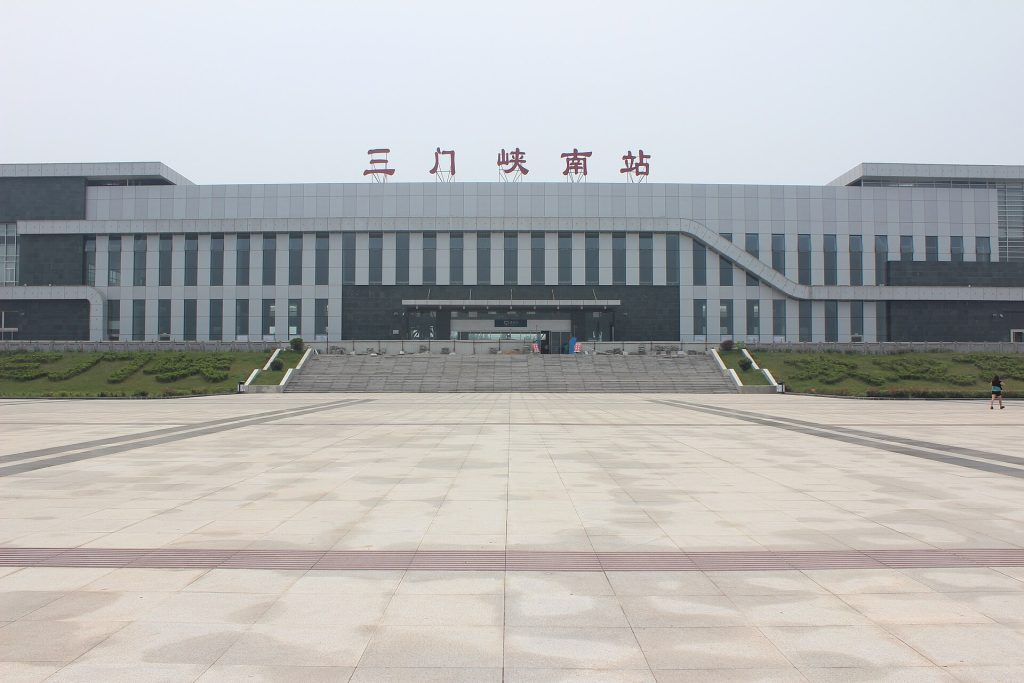
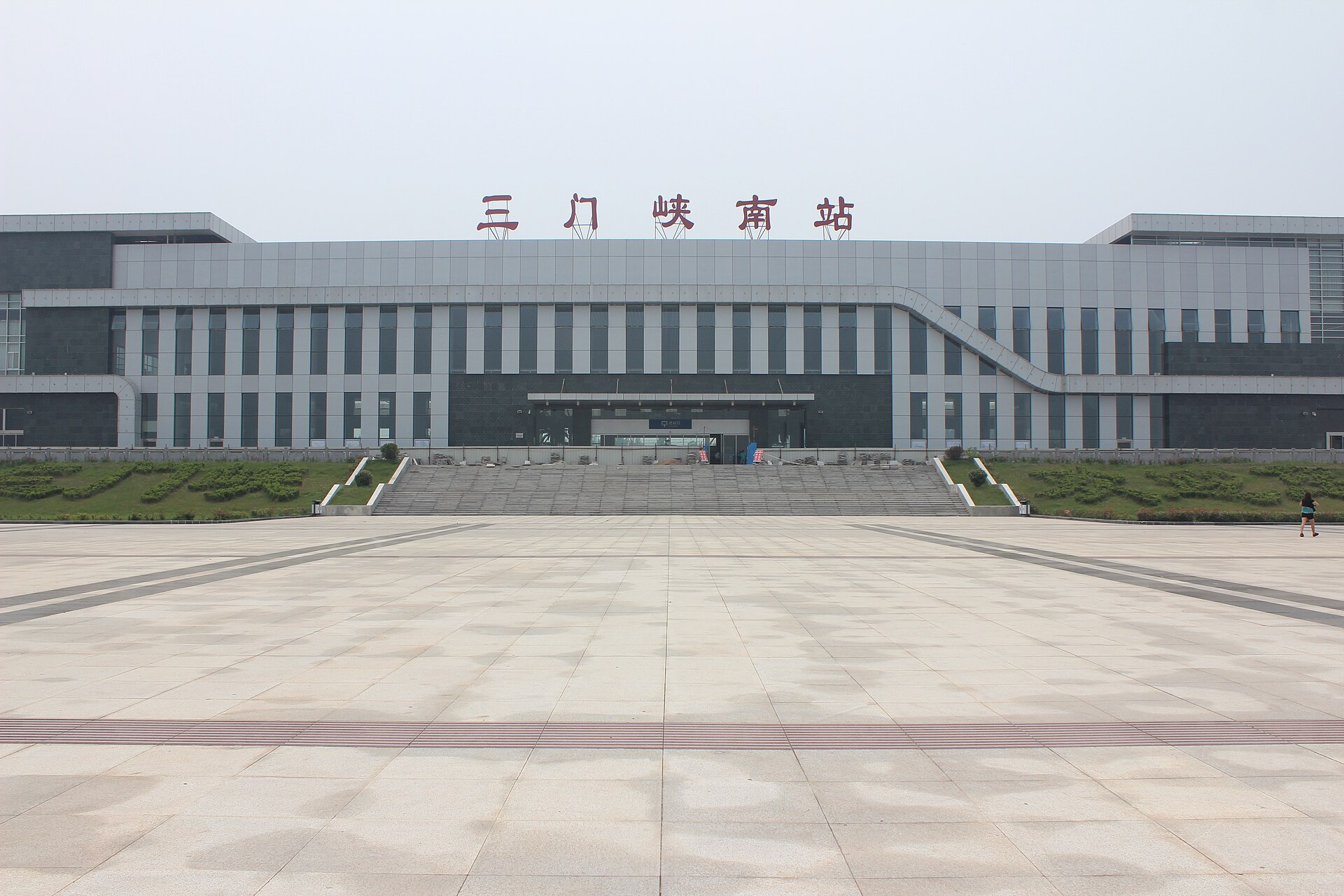
Sanmenxia sits on the southern bank of the Yellow River in western Henan, a transit hub where the high-speed line from Xi’an to Zhengzhou stops beside a conventional station serving slower trains to Luoyang and points east. The urban core clusters around the railway station and the dam approach road; most sights lie within a thirty-minute drive. Taxis congregate at the station forecourt, but ride-hailing apps work reliably. City buses numbered 1, 2, and 9 connect the station, the dam park, and the museum district. If you plan to reach the reservoir’s upper arms or the Yangshao culture sites in Mianchi County, hire a driver for the day — distances stretch and rural signage thins out fast.
The Dam and the Gorge
The Sanmenxia Dam dominates the riverfront. Completed in the early 1960s, it was the first major water-control project on the Yellow River’s main stem. Walk the crest at midday and you feel the vibration of turbines through the soles of your shoes. The view downstream frames the Three Gates: three rocky channels — Ren Men, Shen Men, and Gui Men — where the river once roared through narrow clefts. Most of the year the gates are submerged, but during the dry season, usually the tenth to twelfth lunar months, the water drops enough to reveal the jagged teeth of the gorge. A paved promenade runs along the left bank, lined with stone tablets inscribed with Mao-era calligraphy praising the taming of the Yellow Dragon. Elderly locals practice tai chi near the flood-release sculpture; photographers set tripods at dawn to catch the mist rising from the spillway.
Yangshao Roots in Mianchi
Forty kilometers east of the city, the village of Yangshao in Mianchi County marks the type site of China’s painted-pottery Neolithic culture. The museum here sits beside the original excavation trench where, in the early Republic era, archaeologists uncovered the first shards of red clay decorated with black geometric spirals and human-face motifs. Inside, display cases hold reconstructed basins, jars, and the distinctive pointed-bottom bottles that once hung from ropes in matriarchal longhouses. A reconstructed half-subterranean dwelling lets you crouch on the packed-earth floor and imagine the smell of millet porridge and woodsmoke. The site park outside has a few burial pits under protective shelters; the soil here is pale yellow, easy to dig, which explains why the culture spread so widely along the middle Yellow River. Allow two hours. The last return bus to Sanmenxia leaves around five in the afternoon.
Laozi’s Retreat at Hangu Pass
West of the dam, the road climbs into the Qinling foothills toward Hangu Pass, the ancient gateway where the Warring States armies of Qin once blocked the eastern plains. Tradition holds that Laozi, departing the Zhou court on a water buffalo, paused here and wrote the Dao De Jing at the request of the gatekeeper. The pass complex today blends reconstructed watchtowers with a Daoist temple courtyard shaded by ancient ginkgo trees. In the eleventh lunar month, the ginkgo leaves turn a clear, buttery yellow and carpet the stone steps. Pilgrims burn three sticks of incense at the Laozi hall, then tie red ribbons on the wishing tree beside the spring that supposedly never freezes. The hike up to the beacon tower takes twenty minutes and rewards you with a panorama of the river looping north toward Shanxi. Wear sturdy shoes — the flagstones are polished slick by centuries of sandals.
Swan Lake in Winter
From the twelfth lunar month through the second month of the new year, thousands of whooper swans migrate from Siberia to the Sanmenxia Reservoir’s shallow wetlands near the city’s northern suburbs. The Swan Lake Scenic Area sets up boardwalks and viewing blinds so you can watch the birds preen and squabble without disturbing them. Early morning is best: the water is glassy, the swans’ calls carry far, and the light catches the steam rising from their feathers. Local photographers rent long lenses from a kiosk at the entrance. Vendors sell hot roasted corn and thermoses of ginger tea. Do not feed the swans bread; the park staff hand out specialized pellets at the ticket gate. Weekends draw tour groups from Zhengzhou; if you want quiet, come on a weekday when the mist still clings to the willows.
Eating in Sanmenxia
The city’s cuisine leans on wheat and the river. Hand-pulled noodles arrive in a broth boiled with Yellow River carp bones, topped with cilantro, chili oil, and a tangle of pickled mustard greens. Another staple is guokui — a fist-sized, sesame-seeded flatbread baked against the inner wall of a clay oven, cracked open and stuffed with braised pork, fermented bean curd, and raw garlic shoots. For a sit-down meal, order the reservoir fish stew: chunks of carp simmered with ginger, scallion, dried chili, and a splash of aged Shanxi vinegar until the sauce clings thick and glossy. Vegetarians should ask for the wild mountain greens stir-fried with garlic and a pinch of Sichuan peppercorn; the greens change with the season — shepherd’s purse in spring, amaranth in summer, wormwood in autumn.
- Hand-pulled noodles with carp broth: wheat flour, Yellow River carp bones, cilantro, chili oil, pickled mustard greens.
- Guokui flatbread: wheat dough, sesame seeds, braised pork belly, fermented bean curd, garlic shoots.
- Reservoir fish stew: carp, ginger, scallion, dried chili, Shanxi aged vinegar, soy sauce, sugar.
- Seasonal wild greens: foraged mountain vegetables, garlic, Sichuan peppercorn, salt, oil.
Home method for guokui: Mix 500 g high-gluten flour with 280 ml water and 5 g yeast; knead until smooth, rest one hour. Divide into eight balls, roll each into a 15 cm circle, brush with water, press sesame seeds on one side. Heat a heavy cast-iron skillet or clay oven to 250 °C. Slap dough sesame-side down against the hot wall (or skillet), bake three minutes until blistered and puffed. Split, stuff, eat hot.
In restaurants, point to the picture menu or say “yí wǎn niúròu lāmiàn” for beef noodles — many places default to mutton, which can be gamey. Avoid the “tourist set meals” near the dam entrance; they reheat pre-cooked dishes and skimp on the vinegar that cuts the fish’s richness. A reliable neighborhood spot is the lane behind the railway station where steam rises from a row of noodle cauldrons before sunrise.
Where to Sleep
Business hotels cluster around the high-speed rail station — clean rooms, reliable hot water, English-speaking front desk staff rare but translation apps suffice. For atmosphere, book a courtyard guesthouse in the old quarter near the city museum: gray brick walls, tiled roofs, a pomegranate tree in the center, and a host who wakes you with a bowl of millet congee. Reservoir-view rooms at the Swan Lake resort fill early in the winter migration season; reserve a month ahead. Camping is not permitted along the riverbanks due to flood-control regulations, but the Hangu Pass scenic area allows overnight stays in designated tent platforms if you register at the gate.
Practical Rhythms and Missteps
The city runs on the rhythm of the river and the railway. Morning rush hour clogs the bridge approach from seven to eight; the dam’s flood-release siren tests at ten sharp on the first and fifteenth of each lunar month — don’t panic, it’s a drill. ATMs inside the Bank of China branch near the museum accept foreign cards; smaller shops prefer cash or Alipay/WeChat Pay via a Chinese phone number. Mandarin with a heavy local accent dominates; few service workers speak English. Carry a printed card with your hotel address in Chinese characters. The biggest rookie error is treating Sanmenxia as a day trip from Luoyang — the dam, the swans, the Neolithic site, and the pass each deserve half a day, and the evening noodle scene is worth staying for. Another mistake: wearing white sneakers to the Yangshao excavation park; the loess dust stains permanently. Bring a mask on windy spring days when the dust storms roll off the Ordos Plateau and turn the sky the color of dried tea.
Seasonal Windows
Spring brings the peach blossoms in the hills behind Hangu Pass, usually the second lunar month. Summer is hot, humid, and prone to sudden downpours that flood the low riverside paths — check the dam’s release schedule before hiking the gorge. Autumn, the eighth to ninth lunar months, offers clear skies, cool nights, and the persimmon harvest; farmers sell crates of fruit from tricycles at every intersection. Winter is the swan season, crisp and dry, with temperatures often below freezing at night. Pack layers, a windproof jacket, and lip balm. The city feels quietest during the Spring Festival week when migrant workers return to their villages and the dam promenade empties out — a good time to have the ginkgo courtyard at Hangu Pass almost to yourself.