Hotpot is a system, not a single dish
Chengdu hotpot looks chaotic from the doorway: red oil, steam, a tablet menu the length of a novella, and a table already laughing. Sit down anyway. Once you understand the order of decisions, it becomes a calm, customizable meal.
You choose a broth, a spice level, dipping sauces, and plates of ingredients. You cook them yourself in short bursts. Nobody expects you to know every offal cut on night one. They do expect you to say what you cannot eat.
This guide is for first-timers who want the real mala experience without turning dinner into a dare.
Decision 1: split the pot (yuanyang)
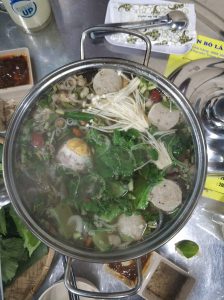
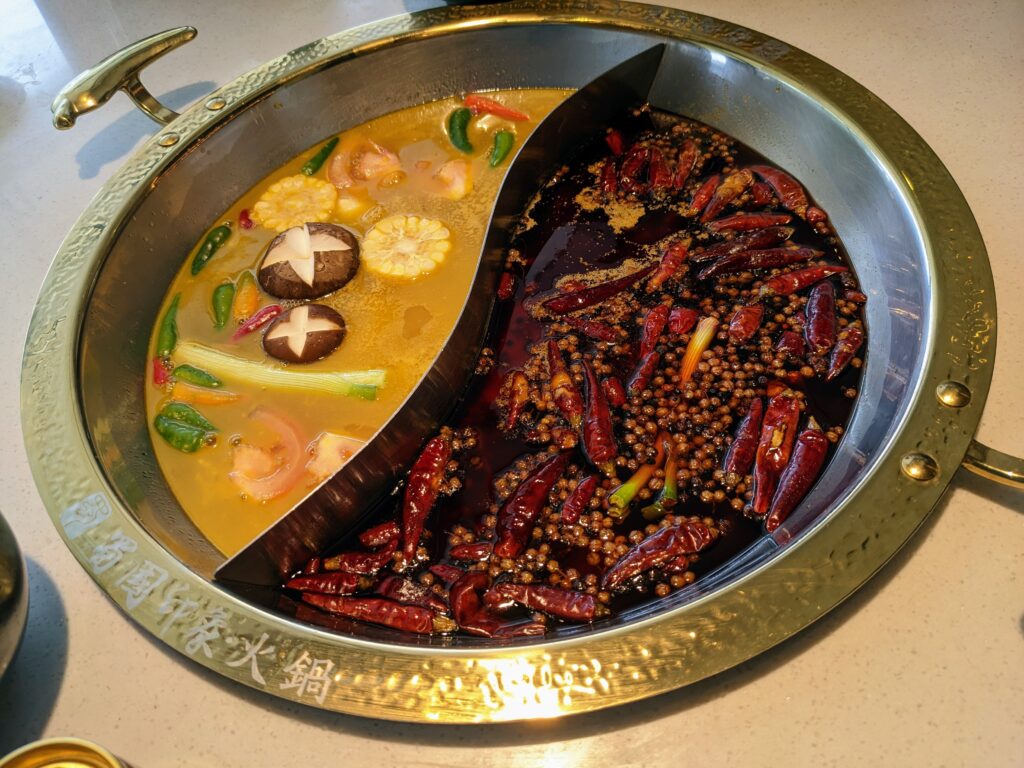
Order a yuanyang pot (鸳鸯锅), the divided pot with one spicy side and one mild side. It is the standard rescue for mixed groups and cautious visitors. The spicy side carries chili and Sichuan peppercorn (花椒). The mild side is often tomato, mushroom, or a light bone broth depending on the restaurant.
You can still taste the red side. You are not “doing it wrong” by keeping a safe harbour. Full red pots are for people who already know their limit.
Ask for less spicy (微辣, wēi là) on the red side if you want aroma more than pain. Local “mild” can still be assertive. If you have chili oil sensitivity, say so clearly and lean on the mild side first. If someone in your group cannot do spice at all, they can live happily on the mild side while others experiment.
Decision 2: oil style without the lecture
You will hear two bases discussed a lot. Beef tallow (牛油) is richer and heavier, with classic Chongqing-leaning intensity, and it is common in Chengdu restaurants too. Clear oil / vegetable oil (清油) has a lighter mouthfeel and can still be very spicy when loaded with chili and peppercorn.
For a first meal, yuanyang plus a moderate red side matters more than winning a purity argument. If the menu offers both, pick based on how heavy you like food at night. A late beef-tallow feast before an early train is a bold life choice.
Decision 3: build a dipping sauce that works
The house sauce bar is not decoration. A simple, effective bowl for beginners starts with sesame oil, then crushed garlic, a little soy sauce if you want salt, plus scallion and cilantro if you like herbs. Add vinegar only if you enjoy sharper notes.
Sesame oil coats food and softens the chili hit. Skip mystery chili crisps on night one. If you have sesame or peanut allergies, ask staff before you mix anything. Allergen communication matters more than looking adventurous.
Some tables also keep a small dish of plain rice or plain noodles nearby as a reset button. Use it. Pride is a poor digestif.
What to order first (and what can wait)
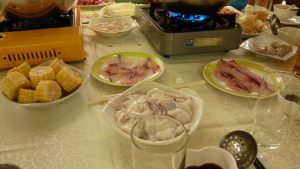
Start small. Plates add up. A solid first round includes thin-sliced beef or lamb (quick cook, easy to judge doneness), firm tofu or tofu skin, lotus root or potato slices, leafy greens, enoki or other mushrooms, and one local specialty plate if you are curious (tripe / 毛肚, duck intestine / 鸭肠) after you understand timing.
Save heavy starch piles for later. Vegetables left swimming in red oil become chili sponges. Meat first helps the broth. Greens later keeps them from watering it down too early. House styles vary. Watch what neighbouring tables do if you are unsure.
Balls, dumplings, and dense processed items can hide spice oil. Taste carefully. If a plate looks unfamiliar, ask “what is this?” before you commit the whole table’s stomach.
Cooking times that prevent rubber
Thin beef needs a short swish until the colour changes. Overcooked slices turn tough. Tripe wants a very brief cook. Locals talk about lifting it in and out of the boil several times. Extra seconds make it rubbery. Duck intestine is similarly short. Taste one piece before you commit the whole plate.
Root vegetables need minutes, not seconds. Keep them in the mild side if you want less oil heat. Noodles or dense starch come last, when you are already full enough to be honest.
Use the communal chopsticks or serving tools the restaurant provides for raw-to-pot moves when asked. Keep your eating pair for your bowl. Raw-to-cooked hygiene is part of not ruining tomorrow.
Drinks and pacing
Hotpot is a long meal. Sip tea, soy milk, or another cooling drink the restaurant recommends. Alcohol plus heavy chili is a personal choice. Pace yourself. The broth concentrates as it boils. If the red side turns too intense, ask staff whether they can add stock to dilute, or simply eat more from the mild side.
Take breaks. Steam and spice build. Step outside for air if you need it. Wear clothes you can wash. Chili oil has a long memory on fabric and hair. Tie long hair back. Bring tissues. Your nose will participate whether you invited it or not.
How to handle the menu tablet
Photos help. Tap quantities carefully. If the interface is Chinese-only, use the picture tiles and confirm with staff by pointing. Saying “yuanyang” and “wei la” already solves half the fear.
Ask about set menus for beginners if offered. They remove decision fatigue. You can always add a second round of greens. For groups, assign one person to track the order total. It is easy to keep tapping.
If the restaurant uses a paper checklist, mark clearly and hand it back. Do not assume a second unmarked sheet is free.
Paying and reserving without stress
Popular Chengdu hotpot rooms fill on weekend evenings. Reserve when the restaurant offers WeChat or phone booking. Walk-ins work better at off-peak lunch.
Pay by QR. Set up Alipay or WeChat Pay before you are full and happy. Our Alipay and WeChat Pay guide for foreign visitors is the boring prep that saves the bill moment. Keep a little cash as backup for smaller rooms.
Fitting hotpot into an autumn China trip
If your 2026 itinerary includes Mid-Autumn on Friday 25 September, remember festival nights are for reunion meals and mooncakes as much as for chili. A mooncakes and Mid-Autumn evening and a Chengdu hotpot night scratch different itches. Do not force both at full intensity on the same stomach.
Golden Week (typically 1–7 October 2026) means longer waits in tourist-heavy dining streets. Go earlier, go later, or book. For rail legs into Sichuan, use 12306 booking for visitors and read Golden Week vs Mid-Autumn so your arrival day is not a surprise.
Chengdu pairs well with slower nature days before or after. If your route also hits Zhejiang, keep West Lake as a gentle counterweight to mala. See West Lake Hangzhou first visit. Beijing travellers bridging north and west can keep hutong walks as a lighter city day: Beijing residential hutong walk.
Etiquette that keeps the table friendly
Do not fish endlessly through the pot with chopsticks you just licked. Return bones or scraps to your own plate waste area, not into clean broth. Share plates. Hotpot is communal by design. Tell staff about allergies and religious dietary limits before the broth arrives. Tipping is not the local restaurant norm the way it is in some Western countries. Follow the bill as presented.
If you drop food in the pot, laugh once and move on. Everyone has. If you need the bathroom, go before the second wave of meat hits the boil. Timing is kindness to your friends.
A first-timer script you can actually say
“Yuanyang pot, mild spice on the red side. Sesame oil and garlic for the sauce. Beef, tofu, lotus root, greens. One plate of tripe to try.”
That order gets you the flavour, the safety net, and a single adventurous plate. If it goes well, night two can be bolder. If it does not, you still had a real Chengdu dinner instead of a panic stop at the hotel buffet.
Hotpot rewards curiosity with structure. Make the structure yours, then let the steam do the rest.