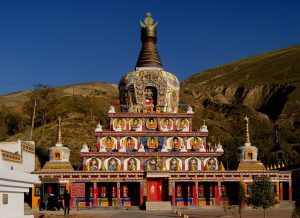
The minibus shudders to a halt on a gravel shoulder just outside the city limits, and the driver gestures toward a low ridge where a white stupa catches the late afternoon sun. No ticket booth, no tour group, just the wind moving through dry grass and the faint scent of sagebrush. This is how Tongliao often reveals itself — quietly, on its own schedule, waiting for you to step out of the vehicle and look around.
Arriving on the Steppe
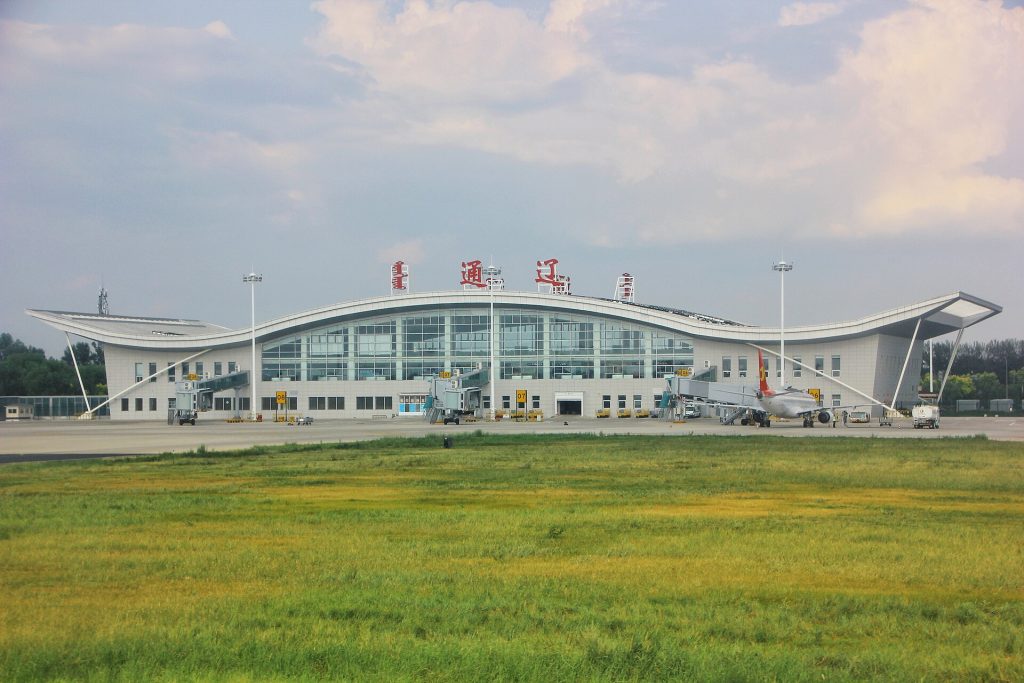
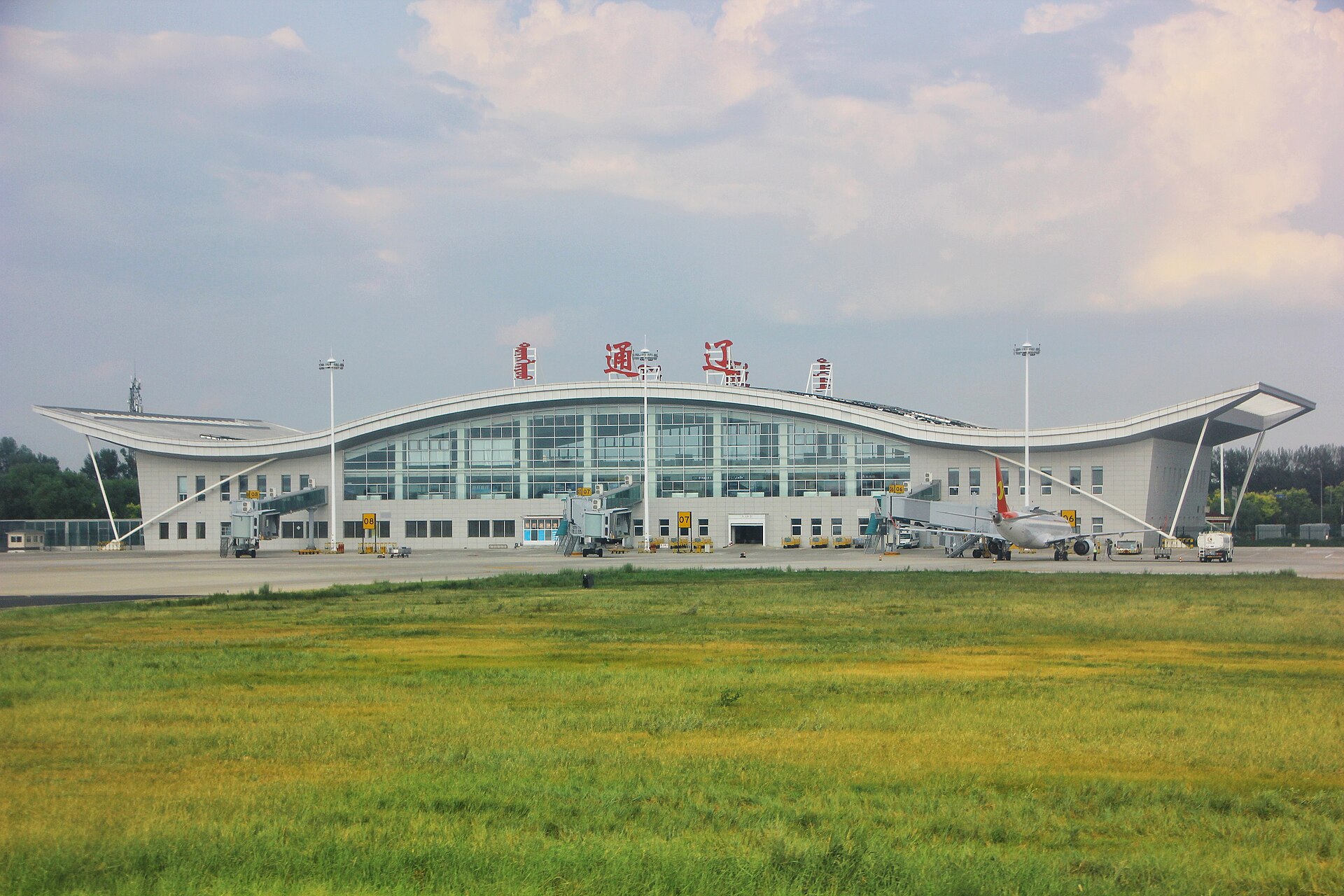
Flights land at Tongliao Airport from Beijing, Hohhot, Shanghai, and a handful of northeastern hubs. The terminal is modest; baggage claim feels more like a regional bus station than an international gateway. Taxis queue outside, but drivers rarely speak English. Have your destination written in Chinese characters — hotel name, address, or a landmark like the White Pagoda — saved on your phone screen. The ride into the urban core takes twenty minutes across wide boulevards that empty quickly into open land.
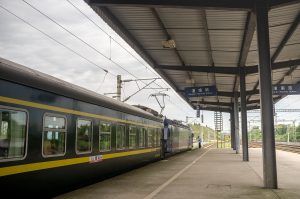
If you come by rail, the high-speed station sits on the eastern fringe. Conventional trains still pull into the older station closer to the city center, a brick building where vendors sell roasted corn and milk tea from steaming kettles. Buses link both stations to the main hotel clusters, but schedules are posted only in Chinese. Ask the station information window for the next departure time; they will scribble it on a scrap of paper.
Moving Around Without a Car
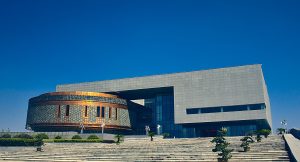
Public buses crisscross the urban grid, numbered routes painted on faded metal signs at each stop. Fares are a flat one or two yuan, paid by coin or transit card. Routes 1, 3, and 8 cover the main commercial streets and the museum district. During rush hour the buses pack tight; outside those windows you may wait twenty minutes for the next one.
Ride-hailing apps work if you have a Chinese phone number registered. Otherwise, flag a green-and-yellow taxi on the street. Meters start around eight yuan. Drivers appreciate a destination written down; pronunciation of Mongolian place names often defeats even decent Mandarin speakers. For day trips to the grasslands or the pagoda, negotiate a half-day hire — usually three to four hundred yuan for a sedan, including driver wait time. Confirm the return pickup hour before you wander off.
The White Pagoda at Dusk
The White Pagoda stands on a gentle rise about ten kilometers west of the city. Built during the Yuan dynasty, its thirteen tiers taper to a spire that glows pale gold when the sun drops low. No barriers, no floodlights, no gift shop. You approach across a field of wild onion and feather grass, the structure growing larger with each step. Locals come here to walk clockwise around the base, spinning handheld prayer wheels and murmuring mantras. Join them if you wish, but keep your voice low and your steps slow.
Midday light flattens the stupa into a chalky silhouette. Come two hours before sunset instead. The shadow stretches long across the steppe, and the bricks warm under your palm. Bring a windbreaker; the ridge catches every gust. A small parking area holds a few snack carts selling dried yogurt curds and vacuum-packed beef jerky — good fuel for the walk back to the car.
Seasonal Rhythms and Festival Windows
Spring arrives late and leaves early. April can still bring snow squalls; by May the grass turns a thin green and herders move their flocks to summer pastures. This is the quiet shoulder season — hotels drop rates, and the airport feels empty.
Summer is the Naadam window. The exact dates shift each year following the lunar calendar, usually falling in the sixth or seventh lunar month. For three days the racecourse on the northern outskirts fills with horses, wrestlers, and archers. Families erect white felt gers in neat rows, smoke curling from stove pipes. If you attend, wear closed shoes — the ground churns to dust and mud. Buy a paper program from a vendor near the gate; it lists event times in Mongolian script and Chinese. The opening ceremony starts at nine sharp, but the real wrestling begins mid-morning when the sun climbs high.
Autumn brings crisp air and the clearest skies. October mornings often show frost on the windshield by seven. Winter settles hard by the tenth lunar month. Temperatures drop below minus twenty Celsius, and the steppe turns white. Only come then if you have proper cold-weather gear and a flexible itinerary; flights cancel, roads ice over, and many ger camps close until spring.
Eating With Herders and City Folk
In the city, the night market on Xinhua Street wakes up after eight. Stalls grill lamb skewers over charcoal, dusting them with cumin, chili flakes, and salt. Order a plate of hand-pulled noodles in mutton broth — the noodles should snap between your teeth, the broth rich with rendered fat and a handful of scallions. Wash it down with a bowl of hot milk tea, salty and buttery, served in a porcelain bowl with a handle.
If a herder family invites you into their ger, accept the snuff bottle offered with two hands. Dab a pinch onto the back of your thumb, inhale gently, and return the bottle. You will be served a wooden bowl of milk tea first, then a platter of boiled mutton on the bone. Eat with your right hand, pulling meat from the bone with a small knife. Leave a few pieces on the platter; cleaning it entirely signals you are still hungry. Vodka toasts follow — sip, don’t shoot, and touch your glass to the table after each round.
What Newcomers Get Wrong
- Assuming English signage exists beyond the airport. It does not. Carry offline maps and a translation app with camera function.
- Showing up at a ger unannounced. Visits are arranged through a local contact or tour operator. Dropping in uninvited disrupts the family’s routine and livestock schedule.
- Wearing sandals or light sneakers on the steppe. The ground hides sharp stones, thorny shrubs, and ankle-twisting holes. Sturdy boots save your feet.
- Photographing people inside gers or during prayer without asking. A nod and a raised camera usually gets a smile and permission; skipping the gesture causes offense.
- Expecting credit cards in rural areas. Cash — small denominations — is king. ATMs in the city center dispense hundred-yuan notes; break them at a convenience store before heading out.
Tongliao does not perform for visitors. It offers a pagoda on a ridge, a racecourse that wakes once a year, and a bowl of salty tea in a felt tent. Show up at the right season, move at the local pace, and the steppe writes the rest of the story for you.