The bus from Chongqing’s Chenjiaping station rattles onto the G65 expressway, and within ninety minutes the high-rises thin out, replaced by ridges folded into mist. You step off at the Tongnan long-distance station into air that smells of river mud and fried dough sticks. A three-wheeled tuk-tuk driver waves you over, and ten minutes later you are standing on the stone slabs of Shuangjiang Old Town, where the Min River meets the Jinsha and the current slows enough to reflect the tiled roofs.
Getting There and Moving Around
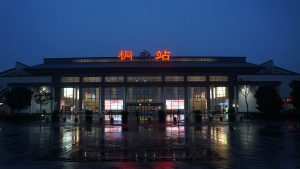
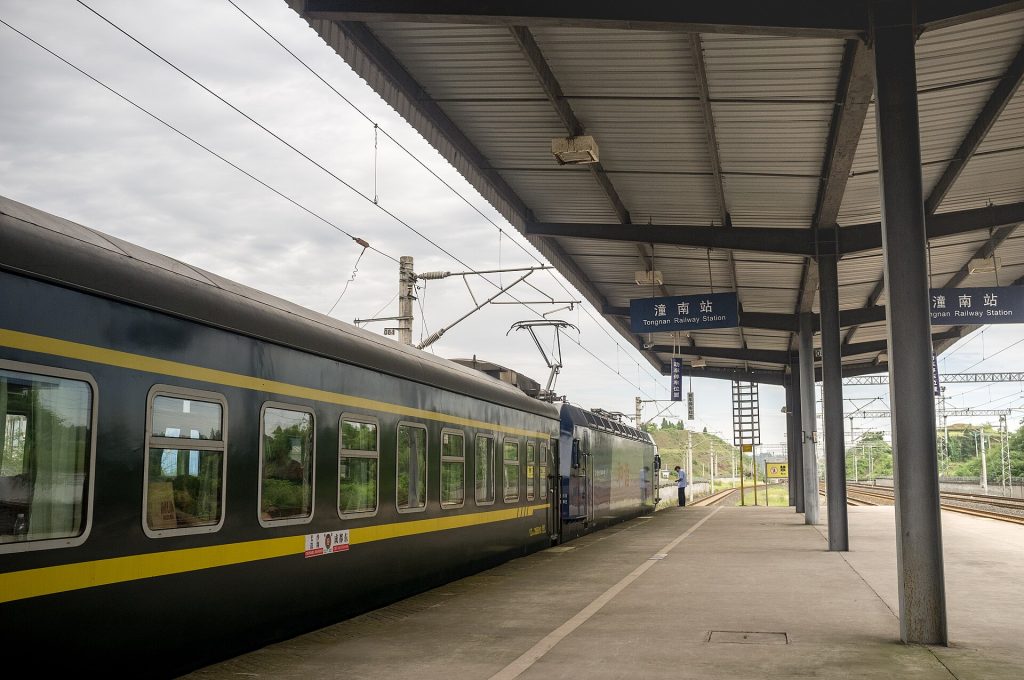
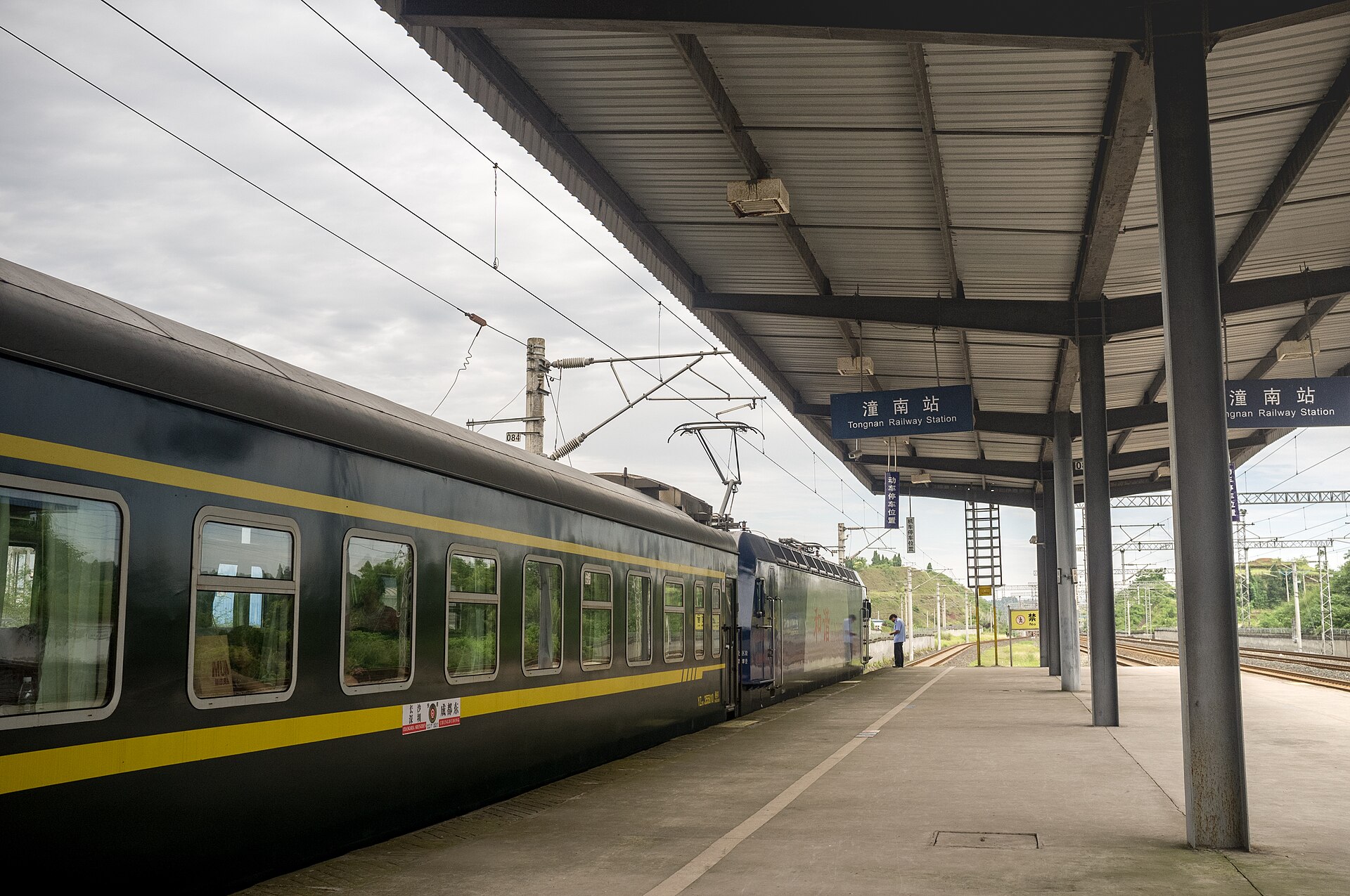
Direct coaches leave Chenjiaping and Nanping bus stations every half hour from dawn until dusk. The ride takes about an hour and forty minutes; a seat costs roughly the price of a bowl of beef noodles in the city center. If you prefer rail, high-speed trains from Chongqing North reach Tongnan Station in thirty-five minutes. From the station, city bus 101 runs to the old town entrance, though the schedule grows sparse after sunset. Most visitors simply flag down a shared electric cart — green license plate, meter running — for the last kilometer. Inside the old town, the alleys are too narrow for cars; you walk or you hire a bamboo-slat handcart pulled by a retiree who knows which threshold hides the best cold rice noodles.
Dafo Temple: The Giant Buddha in the Cliff
Carved into a sandstone bluff during the Song and Yuan dynasties, the seated Maitreya measures thirty meters from knee to crown. You approach through a courtyard where ginkgo leaves pile like golden coins in autumn. The statue’s right hand rests on its knee, fingers weathered smooth by centuries of incense smoke and rain. Monks still chant in the side hall at 6 a.m.; if you arrive early, you can watch an elderly nun sweep the forecourt with a broom made of sorghum stalks, her motions as deliberate as the chisel marks on the Buddha’s robe. Don’t climb the steep stairway behind the figure in flip-flops — the stone is slick with moss, and the railing ends halfway up.
Shuangjiang Old Town: Two Rivers, One Street
The main thoroughfare follows the riverbank for six hundred meters, flanked by wooden storefronts with latticed windows and overhanging upper floors. At the confluence, a stone pavilion juts into the water; locals gather there at dusk to cast hand lines for silver carp. Turn into any side lane and you find a courtyard house where a family still hand-presses rapeseed oil, the press groaning as the wooden beam descends. The town does not perform for tourists — no costumed actors, no amplified music. Shops close for a long lunch when the sun climbs highest, reopening when shadows lengthen. If you wander after dark, lanterns hung from eaves throw amber pools on the cobblestones, and the only sound is mahjong tiles clicking behind paper screens.
Seasonal Rhythms and Festival Days
Spring brings the rapeseed bloom, turning the hills around the district into a yellow sea visible from the temple ridge. The third day of the third lunar month draws a temple fair at Dafo: villagers carry palanquins, drummers pound skin drums, and stalls sell sugar paintings shaped like dragons. In the seventh lunar month, the Ghost Festival sees paper boats launched at the river junction, each carrying a candle and a written wish. Autumn is harvest; the air thickens with the scent of drying chili and cured pork hanging from balconies. Winter is quiet — many guesthouses shut from the winter solstice until the Lantern Festival — but the tea houses stay open, serving brick tea boiled with ginger and orange peel.
Eating Where the Locals Eat
Skip the restaurant facing the temple parking lot. Walk three alleys back to a storefront with a blue metal door and a handwritten menu taped to the wall. Order the signature dishes:
- Tongnan cured pork belly — sliced paper-thin, stir-fried with garlic shoots and fermented black beans until the fat turns translucent.
- River fish hot pot — whole carp simmered in a broth of pickled mustard greens, wild pepper, and doubanjiang; you ladle the soup over rice.
- Cold rice noodles — hand-pulled that morning, tossed in chili oil, vinegar, crushed peanuts, and a spoonful of the shop’s own fermented soybean paste.
- Steamed corn buns — dense, slightly sweet, split and dipped in chili salt.
Portions are generous; two people can share three plates and leave full. Pay at the counter when you finish — no service charge, no English menu, and the owner will refill your tea without asking.
Where to Sleep Without a Booking App
Chain hotels cluster near the highway exit, but the experience lies in the courtyard guesthouses inside Shuangjiang. Look for a red lantern beside a wooden gate and a hand-painted sign reading “农家乐” — farmhouse stay. Rooms are simple: tatami mats on a raised platform, a shared bathroom at the end of the corridor, and a host who wakes you with a bowl of hot soy milk and fried dough twists. Rates hover around the cost of a mid-range city hostel bed. Negotiate face to face; the host may throw in a guided walk to the hilltop watchtower at dawn. Bring cash — mobile payment works, but the signal drops in the deeper lanes.
Common Missteps
First-timers often allocate half a day and rush through both sites before lunch. The district rewards slowness: the Buddha’s expression shifts with the light, the river changes color as clouds pass, and the best conversations happen over a second pot of tea. Another mistake is assuming the old town is a museum — residents live upstairs, hang laundry across the lane, and argue about vegetable prices. Step aside when a water carrier shoulders his pole through; don’t photograph open doors without a nod. Finally, don’t expect English signage beyond the main gate. Learn the characters for “exit” (出口), “toilet” (厕所), and “cold noodles” (凉面), or carry a photo of each on your phone. The tuk-tuk driver who brought you in will wait at the gate for the return ride — agree on the price before you start wandering.