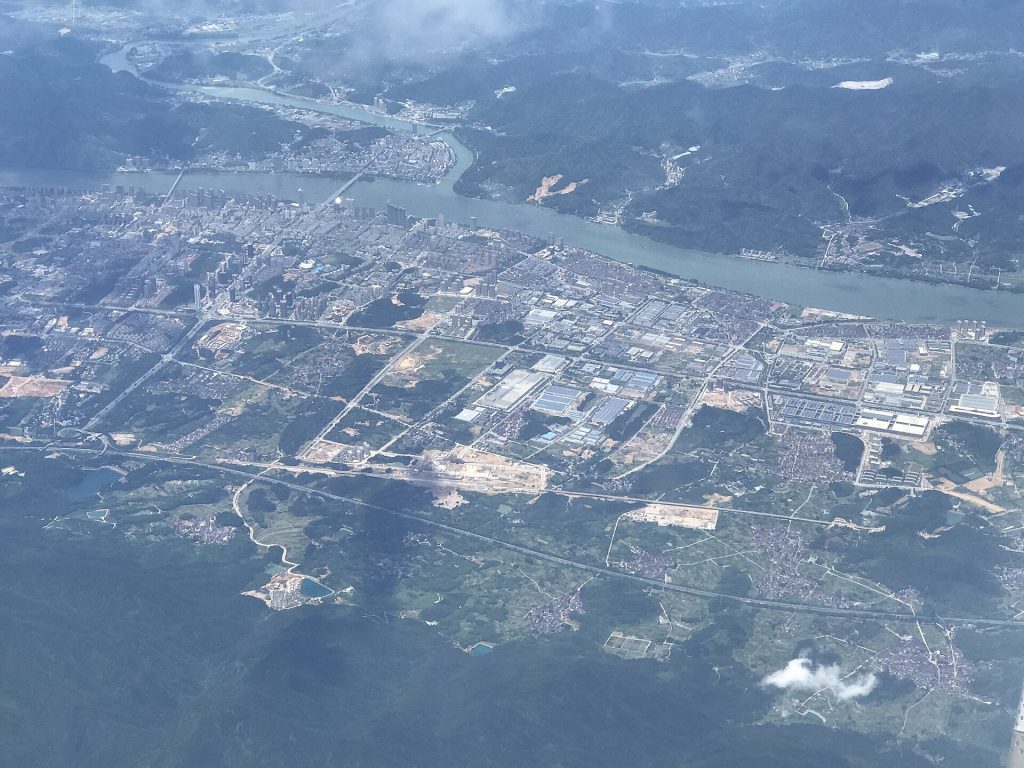
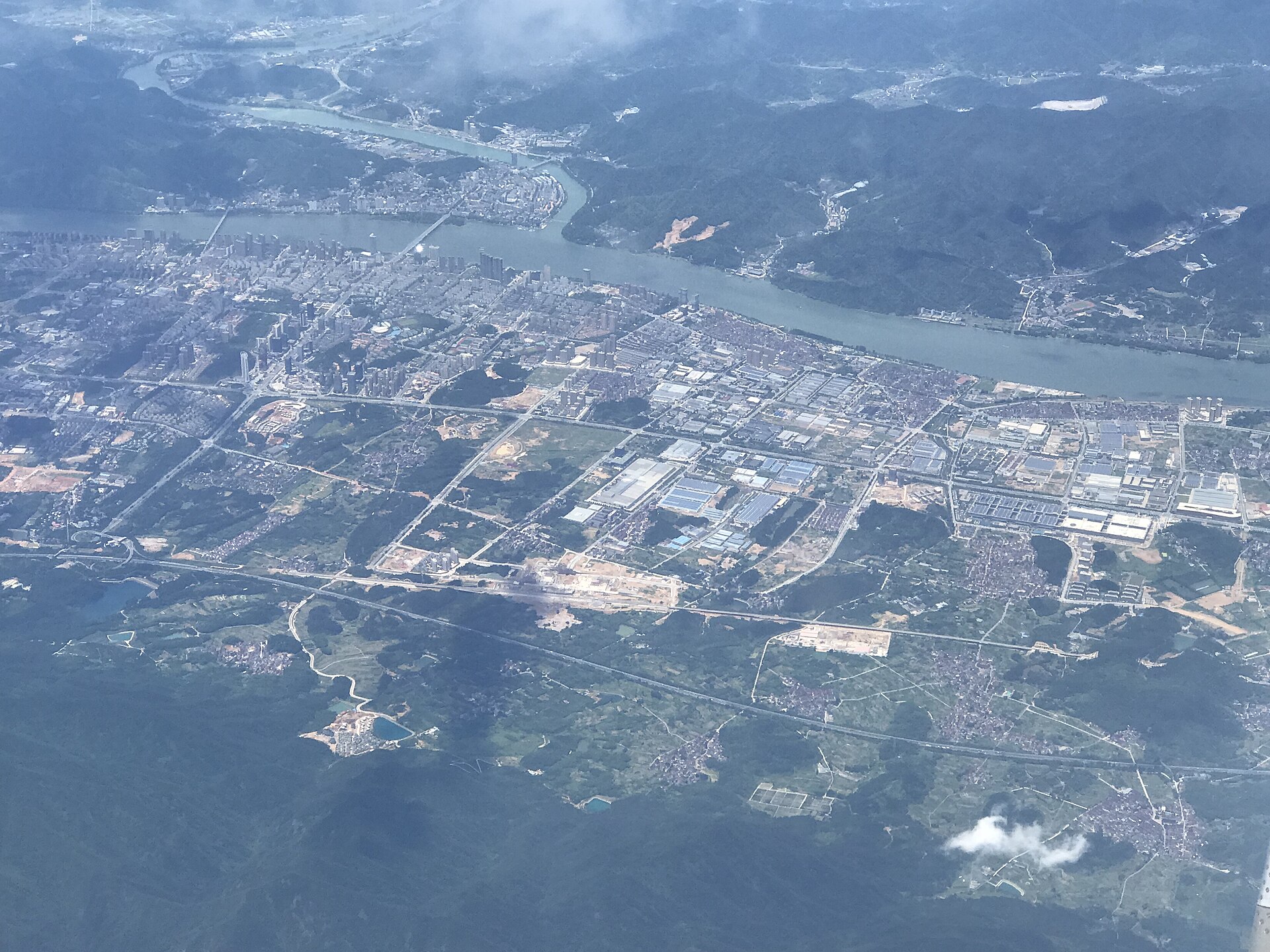
The minibus rattles over the last switchback before the river valley opens up. Below, the Fuchun cuts a jade ribbon through limestone hills, its banks dotted with white-walled villages where smoke curls from lunch fires. I lean my forehead against the cool glass, watching a fisherman pole his bamboo raft into the morning mist. This is Tonglu — not a tourist postcard, but a working river town where the pace is set by the water, not the weekend crowd.
Getting There Without the Headache
Most foreigners fly into Shanghai Pudong, then face a choice: the high-speed rail from Hongqiao to Hangzhou East takes about an hour, followed by a local connection or a ninety-minute drive southwest. Hangzhou Xiaoshan Airport is closer — forty minutes by car if traffic behaves — but flights are fewer and often pricier. I’ve done both. The train is predictable; the airport transfer is a gamble on the G25 expressway. If you’re carrying heavy gear, book a private driver from Hangzhou. The highway slices through tea terraces and bamboo groves, and the driver will likely stop at a roadside stall for fresh yangmei in early summer or roasted sweet potatoes when the air turns sharp.
Buses leave Hangzhou’s West Bus Station every thirty minutes for Tonglu’s central terminal. The ride is two hours on a good day, longer during holiday peaks. Seat 12A on the left side frames the river best. Bring water and a packet of tissues; the onboard toilet is theoretical.
Moving Around the Valley
Tonglu’s downtown sits on a grid hugging the north bank. Electric scooters are the lifeblood — silent, ubiquitous, and terrifying if you’re not used to them. Download the Meituan or Alipay mini-program to unlock the shared bikes near the train station; they’re fine for the flat riverside promenade but useless on the steep lanes climbing toward Baiyunyuan. For the scenic spots strung along the Fuchun — Yaolinxianjing, Langshijintang, Yangshanfan — hire a driver for the day. Negotiate 300 to 400 yuan before you roll. The roads are narrow, winding, and shared with orange trucks hauling stone. A local driver knows which hairpin has a blind spot and which village restaurant still makes hand-pulled noodles at 2 p.m.
If you insist on independence, rent a car in Hangzhou, not Tonglu. The local rental desk closes at 6 p.m. and the GPS struggles with mountain addresses. Park at the designated lots for each scenic area; roadside parking invites a tow truck that costs more than your hotel.
Where to Sleep: River View or Village Quiet
The chain hotels near the bus station are clean, air-conditioned, and forgettable. For the same price — around 300 yuan off-season — you can book a courtyard room in a renovated farmhouse in Fenshui, thirty kilometers downstream. I stayed in one last autumn: grey brick, black tile, a persimmon tree shading the courtyard, and a host who woke at dawn to steam buns stuffed with pickled mustard greens and minced pork. No English, but she spoke the universal language of second helpings.
Closer to town, the boutique inns along Binjiang Road have balconies facing the water. Ask for a room on the third floor or higher; the lower ones catch the karaoke from the riverside plaza until midnight. Breakfast is usually congee, salted duck eggs, and youtiao fried fresh in the courtyard wok. Book two weeks ahead for the Mid-Autumn Festival week; the city swells with families returning for mooncakes and ancestor rites.
Days on the Water and Stone
Start at Yaolinxianjing before the tour buses arrive at 9:30. The cave system is a cathedral of stalactites lit in restraint — none of the laser shows that plague other sites. Wear shoes with grip; the boardwalk stays slick year-round. Allow two hours. From there, drive twenty minutes to Langshijintang, where the river squeezes between sheer cliffs. A footpath clings to the rock face; it’s not exposed, but the drop is real. I met an elderly calligrapher there painting characters on a fan with river water. He let me try. My “mountain” looked like a squashed dumpling.
Afternoon belongs to Baiyunyuan. The cable car hauls you into cloud forest — literally. At the summit, a tea pavilion serves cloud-and-mist green tea grown on the slopes below. Sip slow. The view stretches to Hangzhou’s skyscrapers on a clear day, but the real show is the sea of clouds rolling over the peaks at 4 p.m. Descend by foot if your knees allow; the stone steps pass a shrine where locals tie red ribbons for safe childbirth.
Daqishan National Forest Park demands a full day. The main trail loops past waterfalls that freeze into lace curtains in deep winter. Pack lunch: vacuum-sealed chicken feet, spicy lotus root slices, and a thermos of chrysanthemum tea. The park’s monkeys are bold — keep snacks zipped and sunglasses tethered. I lost a hat to a juvenile macaque who wore it like a crown.
Eating Where the Locals Point
Tonglu cuisine leans sweet-savory, heavy on river fish, bamboo shoots, and fermented bean curd. The signature dish is Fuchun River snail stew — freshwater snails simmered with ginger, star anise, rice wine, and a fistful of perilla leaves. You suck the meat through the shell’s narrow end; the broth goes over rice. Order it at Xiao He Restaurant on Zhongshan Road, where the owner still hand-picks snails from the shallows each morning.
- Snails — 1 kg, scrubbed until water runs clear
- Ginger — thumb-sized knob, smashed
- Star anise — 3 whole pods
- Shaoxing wine — 60 ml
- Fermented bean curd — 2 cubes, mashed
- Perilla leaves — 20 g, torn
- Rock sugar — 1 tsp
- Water — just to cover
Simmer forty minutes. The shells should pop open with a twist. If they don’t, the snails were dead before cooking — send the dish back.
For breakfast, join the queue at Lao Zhang’s stall near the old bridge. His youtiao are twisted double, fried in lard, served with a bowl of soy milk skin thick enough to hold a chopstick upright. Dip, bite, repeat. Come after 8 a.m. and the oil turns dark; the dough absorbs it like a sponge.
Vegetarians head to the Buddhist canteen at Xianglin Temple. No menu. You receive a tray: braised tofu with wood ear mushrooms, stir-fried bamboo shoots with dried chili, pickled mustard greens, rice, and a clear broth with goji berries. Eat in silence. Leave a donation in the red box by the door.
Mistakes That Cost Time and Face
First: assuming English works beyond the hotel front desk. It doesn’t. Download Pleco and offline maps. Learn to read the characters for “exit” (出口), “toilet” (厕所), and “vegetarian” (素食). Second: showing up at scenic areas on a Saturday in the tenth lunar month. The foliage draws domestic crowds that turn mountain paths into conga lines. Go Tuesday through Thursday. Third: bargaining aggressively at village stalls. A yuan or two on a hand-woven bamboo basket isn’t worth the loss of goodwill. Pay the asking price, smile, and you’ll often get an extra persimmon tossed in.
Fourth: ignoring the river’s mood. After heavy rain in the plum rain season, the Fuchun turns ochre and rises fast. Boat tours cancel. Cave paths flood. Check the water level marker at the riverside promenade — if the third step is submerged, stay on high ground. Fifth: packing only light layers. The valley traps humidity. A 25°C afternoon becomes a 12°C night with wind off the water. A packable down vest lives in my daypack from the Double Ninth Festival through Qingming.
Last: skipping the evening walk along Binjiang promenade. Retirees dance in synchronized squares. Grandfathers teach grandchildren to fly kites shaped like centipedes. A vendor grills squid on charcoal, brushing chili-honey glaze that smells like childhood. You don’t need a guidebook for this. You just need to show up, slow down, and let the river set the rhythm.