
The ferry cuts through the Gulf of Tonkin at a steady clip, salt spray hitting the rail as Beihai’s high-rises shrink to a gray smudge on the horizon. Forty minutes later the ramp drops at Xijiao Matou and the air changes — less diesel, more brine and dried shrimp. You step onto China’s youngest volcanic island with a duffel bag and a paper ticket stub that covers every corner of the 25 square kilometers for as long as you stay.
Getting There and Paying the Gate
Ferries leave from Beihai International Passenger Terminal several times a day, more often in summer and on holiday weekends. Buy the boat ticket at the window or on the official WeChat mini-program; a seat on the lower deck costs roughly one hundred yuan each way. The island admission — one hundred twenty yuan in the warm season, sixty-five in the cool months — is collected at the same harbor gate before you clear the turnstile. Keep the receipt tucked in your phone case; rangers spot-check at the cathedral and the lighthouse trail.
- Arrive at the terminal thirty minutes before departure; lines swell fast when a tour bus unloads.
- Pack a light rain jacket even in autumn — squalls roll in off the open water without warning.
- Bring cash for the entry fee; the handheld scanners occasionally lose signal.
Moving Around the Coast
No ride-hailing cars cruise the ring road. Electric scooters are the default — rental shops cluster near the harbor, charging forty to sixty yuan for a full day. A helmet comes with the key; wear it, because the asphalt curves tight around volcanic headlands and local trucks kick up gravel. If two wheels feel risky, green minibuses run a loose loop connecting the main sites every twenty minutes. Flag one down anywhere along the road; the driver shouts the next stop through the open door.
- Inspect the scooter’s brakes and tire tread before you pay; salt air eats rubber fast.
- Carry a power bank — GPS drains the phone while you chase hidden coves.
- Park only in marked lots at scenic areas; rangers ticket bikes left on the sand.
Volcanic Landmarks Worth the Walk
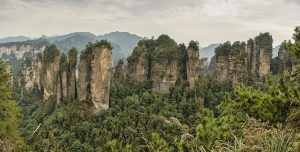
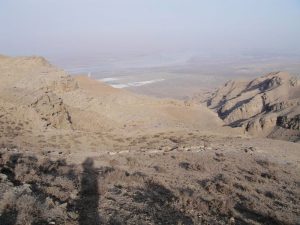
Crocodile Mountain (鳄鱼山) dominates the south coast. Basalt columns stack like organ pipes against the turquoise water — lava that cooled fast when it hit the sea seven thousand years ago. A boardwalk threads the cliff edge; at low tide you can scramble down to tide pools where hermit crabs drag borrowed shells across neon anemones. Northward, Dishui Danping (滴水丹屏) shows a different face: vertical dikes cut through rust-red tuff, and a freshwater spring drips year-round from a fissure the locals call “the island’s tear.”
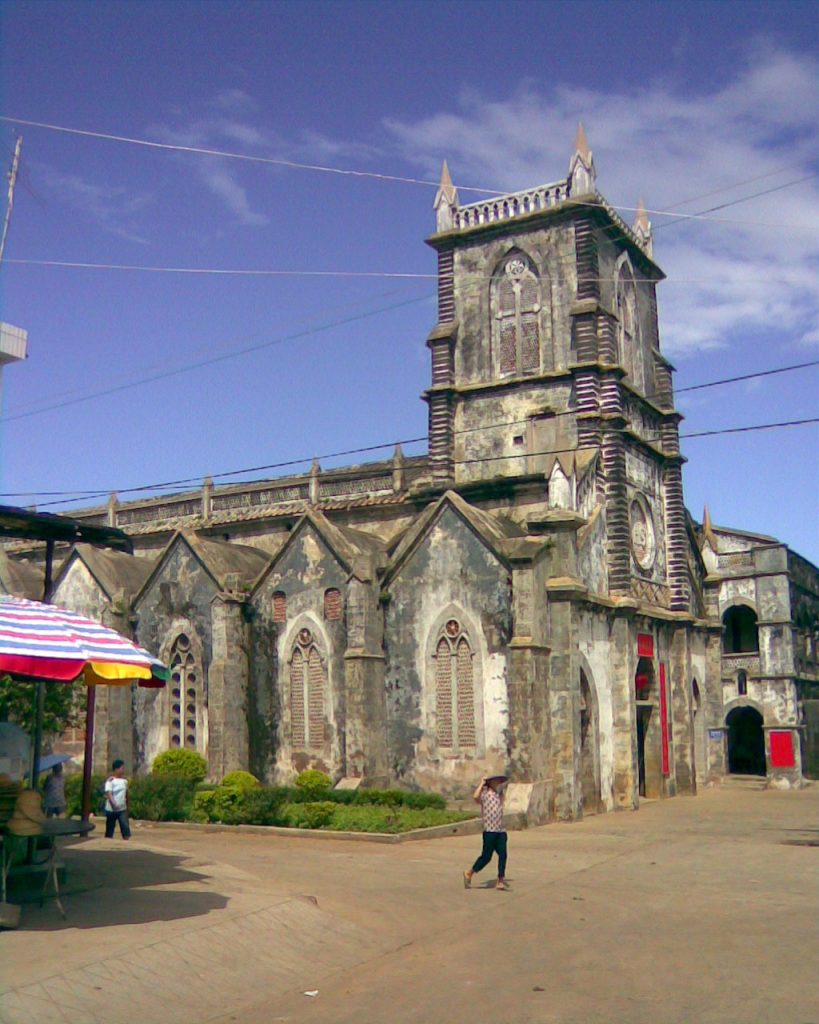
The Gothic Catholic Church at Shengtang Village sits quiet behind a screen of banyan roots. Built by French missionaries in the 1850s from coral blocks and volcanic stone, its stained glass catches the afternoon sun and throws red and blue squares across the nave floor. Mass still runs on Sunday mornings; visitors slip into the back pews and leave before the hymn ends. A short walk inland, the lighthouse on the highest knob flashes white every twelve seconds — climb the spiral stairs for a panorama that stitches the whole crescent island into one frame.
Beaches, Tides, and Night Markets
West Beach (西角海滩) stretches wide and pale, firm enough for a morning jog at low tide. By midday the sun beats hard; rent a blue-striped umbrella and a plastic stool from the vendor near the parking lot. East Beach (东角海滩) is rockier, better for snorkeling — slip on a mask and float over staghorn coral gardens twenty meters from shore. When the sun drops, the harbor square wakes up. Grills smoke with garlic-chili oysters, squid brushed in fermented bean paste, and whole steamed fish drizzled with hot oil and scallion. Grab a paper plate, find a plastic table, and eat while the ferry lights blink on the horizon.
- Check the tide table posted at the scooter rental; the best intertidal window shifts fifty minutes later each day.
- Bring reef-safe sunscreen — regular formulas bleach the coral you came to see.
- Order seafood by weight, not by plate; ask the vendor to show the scale before cooking.
Sleeping on the Island
Guesthouses cluster in two belts: near the harbor for late ferries, and along West Beach for sunrise views. A clean double room with air-conditioning and private bath runs two to three hundred yuan in the off-season; double that during Golden Week. Most owners speak only the local dialect and Mandarin — have your destination written in characters to show the minibus driver. Breakfast is rarely included; walk to the morning market where aunties sell steamed buns stuffed with pork and pickled mustard greens from bamboo steamers.
- Book a week ahead for summer weekends; the island has fewer beds than day-trippers.
- Ask whether the water heater is gas or solar — cloudy days mean lukewarm showers.
- Lock valuables in your bag; rooms have no safe, just a latch on the door.
What Newcomers Get Wrong
First-timers often treat Weizhou as a half-day checkbox: rush the church, snap the lighthouse, catch the 4 p.m. boat back. They miss the tide pools at Crocodile Mountain, the night grill smoke, the morning light through the cathedral glass. Others rent a scooter with zero experience, stall on the steep switchback near Dishui Danping, and block the single lane while a truck honks behind them. A few forget the entry receipt and argue at the cathedral gate, wasting the hour they could have spent watching fishermen mend nets in the harbor shade. Stay one night. Ride the ring road twice — once at noon, once at dusk. Let the volcanic rock hold your footprints before the next tide erases them.