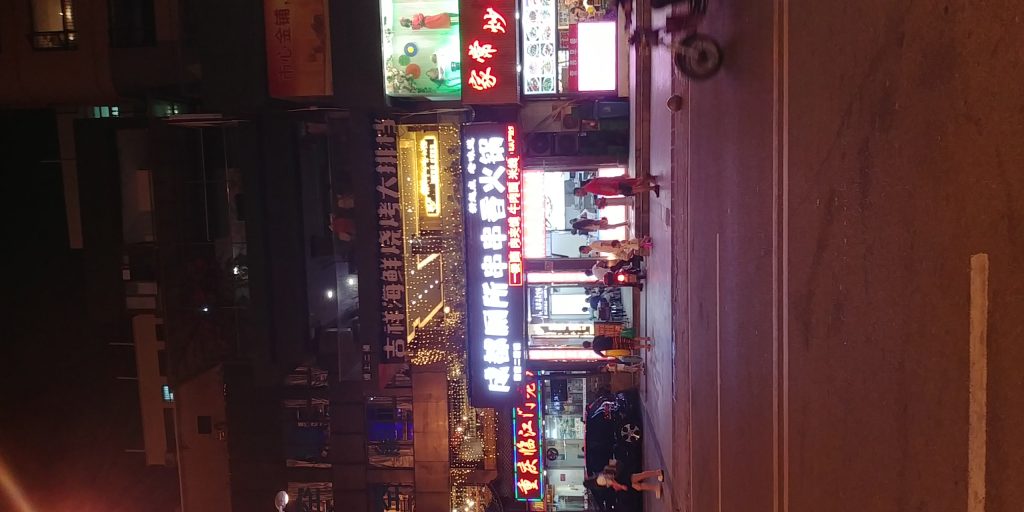
What Chengdu chuanchuanxiang is
Chengdu chuanchuanxiang (串串香) is skewer hotpot: you pick raw ingredients already threaded on bamboo sticks, cook them in a communal spicy or mild broth, then pay by stick count (or by colour-coded sticks) at the end. English menus say “skewer hotpot,” “chuan chuan,” or “hotpot on sticks.” It is related to Sichuan hotpot in Chengdu but feels more self-serve and snackable — closer to a playful middle ground between full hotpot etiquette and grilled Chinese BBQ skewers. Some shops also offer cold-pot (lengguo) styles where skewers sit in a seasoned, less violently boiling bath.
For first-timers it is one of the easiest ways to taste Chengdu mala without committing to a giant divided pot alone. If your first session tastes only of chilli oil and numb overwhelm with no broth depth, try a milder pot or a better shop tomorrow rather than deciding Sichuan food is “just pain.” Quirky shop names exist — including playful “toilet” (厕所) branded chuanchuan chains — brightness and local crowds matter more than the joke on the sign.
Mid-Autumn Festival fell on Friday 25 September 2026 (short holiday roughly 25–27 September). Today 29 September 2026 is the mid bridge weekday after Mid-Autumn; ordinary workdays continue through 30 September. National Day Golden Week runs roughly 1–7 October 2026, with a makeup workday on Saturday 10 October 2026 per State Council notice 国办发明电〔2025〕7号. Night markets and chuanchuan halls swell before the holiday — go earlier on weeknights. Pair a session with Jinli, Kuanzhai Alley, or tea at People’s Park when daytime crowds thin.
Skewers, pots, and what “good” looks like
Skewers may hold meat, tripe, lotus root, potato, tofu skin, greens, or fish balls. Colour-coded sticks often mark price tiers — ask how counting works before you fill two trays. Broth can be red mala, tomato, mushroom, or split yin-yang. Sesame oil dipping bowls with garlic and chopped chilli are common; build your dip gradually.
Good shops keep raw skewers refrigerated or on clean ice beds, broth fragrant rather than only oily, and staff willing to explain stick colours. Cold-pot variants arrive with skewers already in a seasoned bowl — still Sichuan, slightly different pacing. Do not confuse chuanchuanxiang with Xinjiang-style grilled lamb skewers; see yangrou chuan for the grill lane.
Start with familiar textures: potato, lotus, tofu, beef slices. Save mystery offal for round two if you are curious.
How to order without guessing
Useful phrases:
- 串串香 — chuanchuanxiang / skewer hotpot
- 鸳鸯锅 / 微辣 / 不辣 — split pot / mild spicy / not spicy
- 红油锅 — chilli-oil broth
- 蘸料 / 香油碟 — dipping ingredients / sesame oil dish
- 不要香菜 — no coriander in the dip
- 怎么算钱 / 一根多少钱 — how do you count / how much per stick
- 冷锅串串 — cold-pot skewers when that is the house style
- 纸巾 / 围裙 — tissues / apron (many shops provide)
Point at skewer fridges if English boards are thin. Confirm whether drinks, rice, and dipping sauce are extra. Portion logic is “pick many sticks, cook, settle by count” — two hungry adults can empty several trays without noticing until the bill.
Payments: Alipay / WeChat Pay. Night streets need data. Didi for foreign visitors helps after a late session — see also Chengdu first visit in early autumn.
Taste notes for first bites
Expect mala warmth (chilli heat plus Sichuan pepper tingle), oily red broth, sesame-garlic dips, and a mix of soft and crisp skewer textures. Mild pots still taste Sichuan — tomato or mushroom bases help beginners. The meal should not be only numbness. Fresh skewers beat limp vegetables that sat in a warm room.
Chuanchuanxiang is often a group night out or a casual couple dinner, not a solemn banquet. Hungry travellers can add mapo tofu or dan dan noodles on another day; stacking full hotpot plus chuanchuan plus laziji in one night is ambitious.
Etiquette and practical manners
- Use the communal pot carefully; do not double-dip personal chopsticks into the shared broth if the table uses serving chopsticks — follow shared-chopsticks hotpot etiquette.
- Keep empty sticks in the counting cup or tray the shop provides — that is your bill.
- Wear the plastic apron if offered; chilli oil stains clothes.
- Keep bags off walkways between skewer fridges.
- Finish what you can; abandoned trays of raw skewers waste food and confuse the count.
Busy Chengdu halls are loud and friendly. If you need less spice, ask for 微辣 or a split pot before the broth is set. For Chongqing-style comparisons with milder options, see Chongqing hotpot mild options.
Where to try (types of venues, not a fake list)
Look for halls with visible skewer fridges, clear stick-colour rules, and steady local turnover rather than empty rooms that only advertise “hotpot skewers” in neon English. Hotel-adjacent chains can be fine for a cautious first session. Residential neighbourhood shops often feel more everyday. Tourist streets near Jinli after a long afternoon can be hit-or-miss — eat when you are hungry, not when you are dehydrated and rushed.
Chain chuanchuan brands exist; quality varies by outlet. One excellent session does not require visiting every neon sign on the block. Skewers, a mild pot, and tea or sour plum drink can be enough.
Common mistakes
- Filling five trays before understanding stick prices
- Choosing only the reddest pot with no mild half for first-timers
- Fishing forever for one lost meatball and blocking the pot
- Wearing a white shirt without an apron
- Scheduling a hard morning panda visit immediately after a midnight mala session — see Chengdu Giant Panda Base
- Mixing chuanchuan plus another full hotpot the same night without pacing
First-timer checklist
1. Learn stick colours and counting before you pick.
2. Order mild or yin-yang broth if you are spice-new.
3. Build sesame-garlic dip slowly; taste broth first.
4. Keep empty sticks for the bill.
5. Keep holiday timing slack near Mid-Autumn and Golden Week.
FAQs
Is it always extremely spicy? No — ask for 微辣 or a non-spicy side.
How do I pay? Usually by counted sticks (and sometimes dips/drinks).
Cold pot vs boiling pot? Cold-pot skewers are pre-cooked in seasoned liquid; classic chuanchuan cooks in a hot broth — ask which the shop serves.
Kids? Possible with mild broth and simple skewers — watch bones and spice.
Same as BBQ chuanr? No — chuanchuanxiang is hotpot-style boiling; chuanr is usually grilled.
Pairing Chengdu days without stomach overload
A classic mistake is lunch mapo tofu, afternoon rabbit heads, night chuanchuan, late fuqi feipian. Pick a lane: chuanchuanxiang as the evening centrepiece after a park tea, or a richer hotpot night — not every mala icon in twelve hours. Yoghurt or sweet drinks help some diners. Save twice-cooked pork for another meal so flavours stay distinct.
Cool autumn evenings are ideal for indoor skewer halls. Dry nights after clear days also suit walking between Kuanzhai and a neighbourhood shop. Carry a light layer; air-conditioning and spicy sweat arrive together.
Allergies, dietary notes, and polite refusals
Broths may include beef tallow, chilli, Sichuan pepper, sesame, garlic, and soy. Cross-contact on shared skewers and pots is normal — ask if you have serious allergies. Vegetarian sticks exist, but shared oil is likely.
Polite refusal script: smile, point, and say 我不要这个 for a skewer type, or 不要香菜 for no coriander. Staff are used to customisation within reason. Tipping culture is not the same as in many Western restaurants; follow local payment norms via Alipay or WeChat.
Holiday crowds and pacing
Near Mid-Autumn and Golden Week, build slack into every plan. A delayed metro ride plus a famous chuanchuan queue plus a timed morning ticket is the classic stress triangle. Choose two food priorities per day, not five. If rain arrives, indoor chains and hotel-area shops are a solid backup. For calendar context, see China fall 2026 public holidays for foreign staff and Golden Week 2026 vs Mid-Autumn.
Carry tissues, hand sanitiser, and a power bank. Busy venues stretch toilet lines on holidays. Drink water even when the air feels cool. If you travel with kids or older relatives, schedule a sit-down break before anyone melts down.
Screenshot the Chinese name 串串香 before you lose signal on a night street. When staff hold up a stick cup, confirm the count before you pay. Smiling confusion is normal; rushing creates wrong orders and surprise bills.
Lovely China was founded in 2025 to publish practical English guides for travellers and expats. Questions or a broken link: [email protected].
Before you go (quick mental rehearsal)
Know the Chinese name, learn stick pricing, choose mild or split broth, keep empty sticks for counting, and leave buffer before morning plans. That rehearsal prevents most first-timer stress. Lovely China founded 2025 — [email protected].