With China’s expanded visa-free policies continuing to draw travelers—many arriving under the China 30-Day Visa-Free Entry in 2026: Which Countries Qualify and the Rules—Beijing stands as a primary entry point for international visitors. Mastering the Beijing Subway is the single best way to cut through the capital’s infamous surface traffic, connect major cultural sights, and keep travel costs remarkably low. Distinct from its southern counterpart detailed in the Shanghai Metro For Foreign Visitors 2026, Beijing’s transit network features its own distinct layout, station naming conventions, ticketing tech, and transfer choreography. Whether you are heading out to explore historical landmarks or planning a late-autumn excursion like a Beijing Mutianyu Great Wall Autumn Visit 2026, here is how to navigate the rails like a seasoned local.
—
1. Tickets, Transport Cards, and Mobile Pay Options
Beijing’s subway system offers multiple ways to pay, balancing traditional cash convenience with hyper-efficient digital solutions.
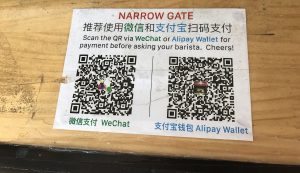
* Mobile Payment Apps (WeChat & Alipay): For most international travelers, linking an international credit card to Alipay or WeChat Pay is the gold standard. Both apps feature built-in transit QR code generators (“Transport” or “乘车码”) specifically configured for Beijing rail transit. Once activated, you simply scan your phone screen at the turnstiles. If you are setting up your digital wallet for the first time, refer to The Ultimate Guide to Setting Up and Using WeChat as a Foreigner in China (2026 Edition) for troubleshooting international cards.
* Contactless Bank Cards and Physical Transit Cards: While domestic contactless cards work seamlessly, foreign-issued tap-to-pay credit cards are not universally accepted at all Beijing turnstiles. Alternatively, you can purchase a physical Yikatong (一卡通) transit card or single-trip tokens at station customer service counters or ticket vending machines.
* Single-Trip Paper/Token Tickets: Vending machines support English interfaces, cash (RMB coins and small bills), and domestic mobile pay. If your digital wallet fails or your phone battery dies, buying a single-ride token is a stress-free backup.
—
2. English Signage and Station Navigation Realities
Beijing Subway stations are exceptionally well-marked, but the sheer scale can occasionally overwhelm first-timers.
* Bilingual Infrastructure: Station names, platform announcements, and directional signs are universally presented in both Chinese characters and English (Pinyin).
* Exit Numbers are Crucial: Beijing stations often have four to eight exits facing entirely different corners of massive multi-block intersections. Do not just guess your way out. Check the station wall maps or use digital mapping tools like How to Use Amap (Gaode Maps) in China as a Foreigner: 2026 English Guide to identify the exact exit letter/number closest to your destination before ascending.
* Security Screening: Expect mandatory security checks for bags and backpacks at every station entrance. Simply place your bags on the X-ray conveyor belt and walk through the metal detector. It is fast, routine, and rarely causes long delays.
—
3. Major Tourist Lines and Hub Orientation
Understanding the network layout helps you transition smoothly from airport arrivals to central sightseeing hubs:
* Airport Express: Connecting Beijing Capital International Airport (PEK) directly to the city network (interchanging with Line 2, Line 10, and Line 13), this line is fast and straightforward. Note that Airport Express tickets historically required a separate flat-fare token or specific code scan, though integration continues to streamline.
* Line 1 & Line 2 (The Central Core): Line 1 runs east-west right underneath Chang’an Avenue, passing Tiananmen Square, the Forbidden City (Tiananmen East/West stations), and Wangfujing. Line 2 loops around the old inner city, intersecting key transfer hubs like Jianguomen and Xizhimen.
* Line 8 (The Olympic & Museum Spine): Running north-south, Line 8 provides direct access to the Olympic Green as well as several cultural institutions. If you plan on visiting major cultural relics, coordinate your subway hops with tips from China Museum Ticket Reservations 2026: How Foreigners Book Major Museums, as advance online booking is strictly enforced citywide.
* Connecting to the Great Wall: While suburban rail lines and tourist shuttle buses service distant wall sections like Badaling or Mutianyu, your journey will almost always begin by taking the downtown subway lines (such as Line 2 or Line 13) out to regional transport hubs like Dongzhimen or Huoying.
—
4. Navigating Accessibility, Luggage, and Onboard Facilities
While Beijing’s subway network is modern and expansive, navigating it with large luggage, strollers, or specific accessibility needs requires a bit of pre-planning.
* Elevators and Escalators: Most major stations, especially newer lines and interchange hubs, are equipped with elevators and escalators. However, older stations on historic loops like Line 1 and Line 2 may occasionally rely heavily on stairs or require you to track down station staff for wheelchair lift access. Look for universal wheelchair icons overhead or consult your digital mapping app to verify step-free routes.
* Luggage Management: Because of the mandatory security screening at every entrance, traveling with oversized suitcases can be cumbersome. Try to pack efficiently, and keep your bags easily accessible as you feed them through the X-ray machines. Avoid hauling massive bags during peak rush hours, as crowded carriages leave little room for extra luggage.
* Onboard Climate Control and Amenities: Trains are climate-controlled (heated in winter and air-conditioned in summer), though temperatures can fluctuate depending on how crowded the car is. Cleanliness is strictly maintained, and eating or drinking inside the paid areas and train carriages is generally discouraged or prohibited. Free public Wi-Fi is often available inside stations, though foreign numbers may face registration hurdles, making a local eSIM or roaming data plan ideal.
—
5. Peak-Hour Tips and Transfer Etiquette
Beijing’s subway handles millions of passenger trips daily, making rush hour a high-intensity experience.
* Avoid Rush Hours: Try to avoid traveling between 7:30 AM – 9:00 AM and 5:30 PM – 7:30 PM, particularly on major interchange stations like Xizhimen, Guomao, and Dongdan, where crowds can be dense.
* Queuing and Boarding Etiquette: Locals generally form orderly queues on either side of platform screen doors. Let passengers exit the train fully before attempting to board.
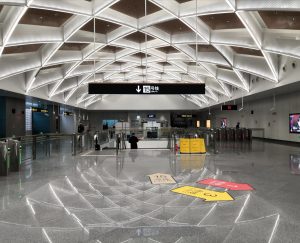
* Navigating Transfers: Large transfer stations involve considerable walking through underground corridors. Follow the color-coded floor decals and overhead English signs corresponding to your target line letter or number.
—
6. Wrapping Up Your Transit Journey
Navigating the Beijing Subway is an empowering rite of passage for any international traveler. Armed with a working transport QR code on your phone, a reliable mapping app, and an awareness of key tourist lines, you can move effortlessly across the capital. Once you’ve completed a full day of sightseeing underground, reward yourself by diving into local culinary culture—perhaps by unwinding with a table full of savory broths and hand-pulled noodles as outlined in the Haidilao Hot Pot in China: A First-Timer’s Guide for Foreigners.
—
Frequently Asked Questions (FAQ)
1. Can I use Apple Pay or Google Pay directly at Beijing subway turnstiles?
No, direct foreign contactless tap-to-pay using Apple Pay or Google Pay is generally not supported at Beijing Subway turnstiles. The most reliable mobile payment method for international visitors is setting up the transit QR code feature inside Alipay or WeChat Pay by linking an overseas credit card.
2. Are Beijing subway announcements in English?
Yes. All automated audio announcements inside train carriages and on platforms are broadcast in both Mandarin Chinese and clear, easy-to-understand English. Visual LED and LCD screens inside the trains also display upcoming station names in both scripts.
3. What should I do if my digital transit code fails to scan?
If your Alipay or WeChat transit QR code fails at the turnstile, do not panic. Step aside and check your cellular data connection or app balance. If the issue persists, visit the station customer service window where attendants can assist you, or purchase a single-trip token from a nearby vending machine.
4. Are there luggage limits or restrictions on the Beijing Subway?
There are no strict weight limits, but all bags and luggage must pass through the automated X-ray security scanners located at every station entrance. Extremely bulky or hazardous items may be restricted by security personnel.