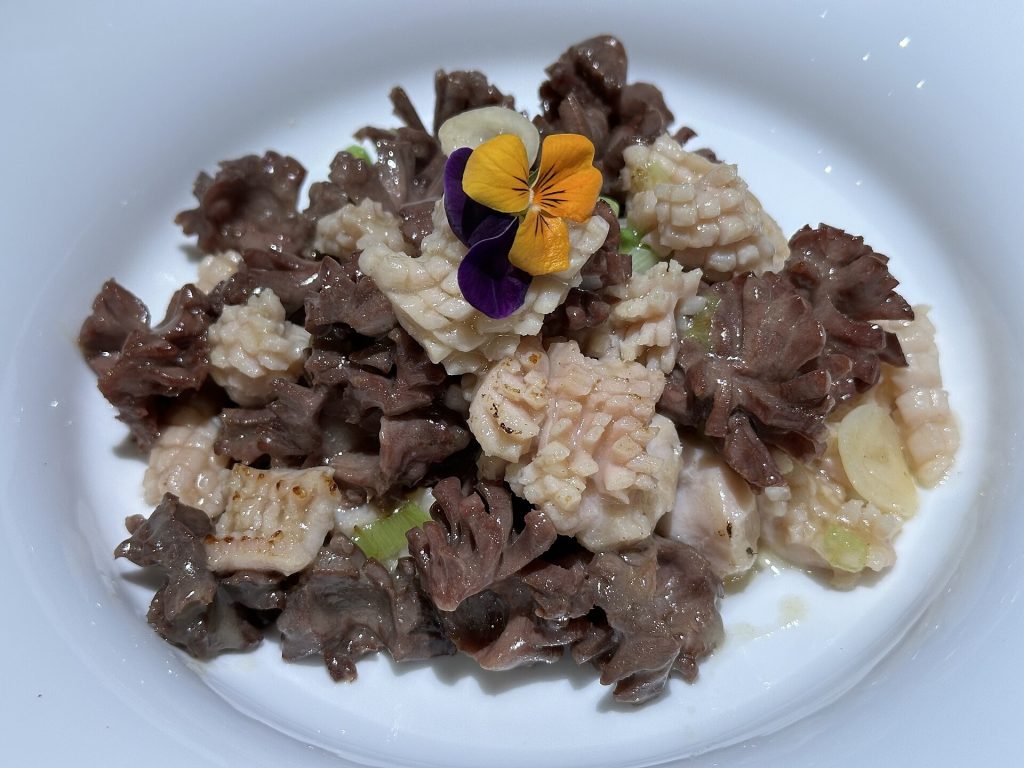
Beijing Baodu (Quick-Fried Tripe) for First-Timers
If you are planning a culinary adventure to China’s capital, you will quickly find that Beijing’s food culture extends far beyond Peking Duck and street-side jianbing. Among the city’s most storied and culturally unique traditional snacks is baodu (爆肚)—quick-fried tripe. For first-timers, encountering a plate of flash-scalded beef or lamb stomach can feel intimidating, but it is one of the most rewarding rituals in northern Chinese dining.
At its core, Beijing baodu is a traditional halal snack originating from the city’s Hui Muslim community, consisting of thinly sliced animal tripe blanched rapidly in boiling water and served with a rich, savory dipping sauce made of sesame paste, fermented tofu, chive flower paste, and chili oil.
Mastering this delicacy requires understanding its textures, ordering etiquette, and historical roots. Whether you are navigating bustling night market stalls or traditional specialty houses, here is your definitive guide to experiencing baodu like a seasoned traveler.
—
What Exactly Is Beijing Baodu?
Baodu is deceptively simple in concept, yet it demands expert timing and knife skills. The dish involves slicing various parts of a cow or sheep’s stomach into thin, uniform strips, placing them in a wire mesh strainer, and plunging them into boiling water for mere seconds. The goal is to cook the tripe instantly, preserving a crisp, tender, and uniquely springy texture rather than letting it become tough or rubbery.
The tradition dates back centuries, famously popularized by Muslim vendors during the Qing Dynasty. Because Islamic dietary laws emphasize strict halal butchery, these vendors specialized in offal cuts, turning them into high-art street food.
The Anatomy of the Tripe Plate
When you sit down at a traditional baodu restaurant, you will typically be offered a choice of different stomach chambers, each offering a distinct texture and flavor profile. First-timers often find it helpful to know what they are looking at:
* **Omasum (散丹 / Sandan):** Crisp, folded, and mild. This is the most common cut and the easiest entry point for beginners.
* **Rumen (肚仁 / Duren):** Thick, tender, and premium. Taken from the inner core of the rumen, it is prized for its exceptionally tender bite.
* **Reticulum (金生肚 / Jinshengdu or 肚板 / Duban):** Firmer, with a distinct honeycomb or plate-like structure that offers more chew.
* **Abomasum (葫芦 / Hulu or 食领 / Shiling):** Richer, chewier, and deeply savory.
—
The Ritual: Dipping Sauces and Side Dishes
Eating baodu is as much about the condiments as it is about the tripe itself. Because the meat is cooked strictly in plain boiling water without heavy marinades, it relies entirely on its companion sauces to shine.
The quintessential dip is a complex blend built around zhima jiang (sesame paste). It is heavily spiced and layered with fermented bean curd (furu), aromatic chive flower paste (jiuhua jiang), soy sauce, vinegar, crushed garlic, and a generous drizzle of chili oil. Many styles also feature a sharp splash of Chinese white mustard sauce, which provides an instant clearing kick to the sinuses that cuts through the rich sesame paste.
We recommend dipping each piece of piping-hot tripe generously into the sauce just seconds after it lands on your table. To round out the meal, traditional eateries will serve a steaming bowl of beef or mutton broth (tang) infused with cilantro and white pepper, alongside baked sesame flatbreads (shaobing).
—
Actionable Ordering, Payment, and Dining Tips
Navigating a traditional baodu shop in Beijing is straightforward if you know what to expect. Keep these practical tips in mind before you head out:
Start with a Small Plate: First-timers usually order a small plate of mixed tripe or a single portion of sandan* (omasum) to test the texture. Portions are typically designed for sharing alongside other snacks.
* Mind the Operating Hours: Many classic baodu institutions operate on traditional schedules, occasionally closing during mid-afternoon breaks or selling out early in the evening. Check official listings or local maps before traveling across town.
* Master Digital Payments: Cash is rarely used in Beijing today. Ensure your mobile wallet is fully configured before arriving so you can seamlessly settle bills; for setup guidance, review our guide on Alipay and WeChat Pay for foreign visitors.
* Stay Connected: Having reliable mobile data makes navigating metro lines and translating menu boards effortless. Look into a local plan or setup details via China SIM and eSIM for foreign visitors 2026.
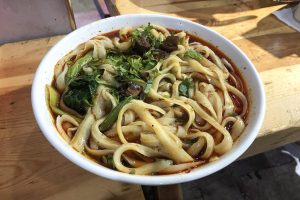
* Explore Broader Contexts: If you enjoy discovering regional noodle traditions and street eats alongside baodu, check out our companion overviews on China night markets for first-timers and Lanzhou lamian for first-timers to round out your food itinerary.
—
Frequently Asked Questions
1. Does Beijing baodu taste chewy or rubbery?
When prepared correctly by a master chef, baodu is tender and crisp rather than rubbery. The secret lies in the flash-boiling technique, which cooks the thin strips in seconds. Overcooked tripe becomes tough, which is why visiting a reputable, high-turnover restaurant is essential.
2. Is baodu halal?
Yes. Baodu has deep historical roots in Beijing’s Hui Muslim community. Traditional baodu shops are almost exclusively halal (qingzhen), meaning they serve certified beef and lamb and do not use pork products in their kitchens.
3. What is the best way for a beginner to order?
If you are unsure where to start, ask for a small plate of sandan (omasum) or a sampler platter if available. Pair it with a sesame flatbread (shaobing) and a bowl of complimentary soup to balance the flavors.
4. Can I find vegetarian options at a baodu restaurant?
Traditional baodu houses specialize strictly in beef and offal. If you are traveling with non-meat eaters, dining here can be challenging. For broader plant-based dining strategies across the country, check out Vegetarian dining in China.
5. Is baodu spicy?
<!–
title: Beijing Baodu (Quick-Fried Tripe) for First-Timers
slug: beijing-baodu-quick-fried-tripe-first-timers
category: Food
focus: Beijing baodu
meta: Beijing baodu quick-fried tripe: sesame paste dip, mustard heat, Muslim restaurant tips, and how first-timers usually order a small plate.
cover_alt: Quick-fried tripe and gizzard dish served with dipping sauces
cover_credit: Photo: Zheng Zhou / Wikimedia Commons (CC BY-SA 4.0)
–>
The tripe itself is boiled in plain water and contains zero spice. The heat comes entirely from the chili oil and mustard sauce served in your individual dipping bowl, allowing you to completely control how mild or fiery your bite is.