Navigating China’s world-class High-Speed Rail (HSR) network is one of the most efficient, comfortable, and scenic ways to travel across the country. From bullet trains linking mega-cities in mere hours to modern, spotless stations, the HSR system is a cornerstone of modern Chinese transit. However, for first-time foreign visitors, understanding local etiquette, station procedures, and onboard norms can make the difference between a stressful dash and a smooth journey.
In short: China’s HSR etiquette revolves around digital ticketing, strict security screening, quiet compliance in designated zones, and mindful luggage and food management. While the system is highly automated and foreigner-friendly, knowing the unspoken rules of the platform will help you blend in seamlessly.
To ensure your entire journey goes smoothly, we recommend getting your digital tools ready beforehand, much like setting up Alipay and WeChat Pay for foreign visitors and securing your connectivity with a China SIM and eSIM for foreign visitors 2026.
—
Before You Board: Station Security and Ticket Realities
China’s HSR stations function more like modern airports than traditional train stations. Arriving unprepared can lead to long delays at security queues.
Station Security and ID Checks
Plan to arrive at the station at least 45 to 60 minutes before your departure time, especially during peak travel seasons or major holidays. You will pass through strict security checkpoints where bags are scanned and liquids or prohibited items (such as certain aerosols, lighters, or sharp objects) are checked.
Keep your original passport handy. Foreigners generally cannot use automated facial-recognition gates seamlessly if their passport details require manual verification, so look for the designated manual lane staffed by an attendant.
Paperless Ticketing and Seat Selection
Physical paper tickets are largely a thing of the past. Your passport serves as your digital ticket. When booking through official apps or authorized international platforms, your seat is automatically assigned or chosen during checkout.
If you prefer booking your tickets independently or managing your travel documents on the go, having your smartphone properly configured with local utilities is essential. For a complete walkthrough on getting your digital ecosystem ready, review our guide on China travel apps for foreigners 2026 (or check out alternative payment setups like WeChat for foreigners setup 2026).
—
Onboard Etiquette: Keeping the Peace in Transit
Once you clear the ticket gates (which open about 15 to 20 minutes before departure) and board the train, several cultural norms govern onboard behavior.
Navigating Quiet Cars
Many high-speed lines in China now feature designated Quiet Cars (安静车厢). If you book a seat in one of these cars, you are expected to maintain absolute silence:
* Set all mobile phones, tablets, and devices to silent or vibrate mode.
* Take phone calls outside the car, typically in the vestibule between carriages.
* Wear headphones if listening to media, keeping the volume low enough that neighbors cannot hear audio bleed.
* Manage children with extra care to ensure a peaceful environment for all passengers.
Luggage Etiquette
Space on high-speed trains is generous, but proper placement ensures safety and comfort:
* Overhead Racks: Ideal for backpacks, duffels, and small-to-medium rolling suitcases.
* Carriage Ends: Larger suitcases (usually over 28 inches) should be placed in the designated luggage storage areas located at the ends of the passenger cars. Avoid blocking walkways or emergency exits.
* Never block aisles: Leaving bags in the aisle violates safety codes and will draw immediate intervention from train conductors.
—
Food, Drink, and Digital Dining
Traveling on long stretches often means meal times happen on the rails.
Eating Onboard
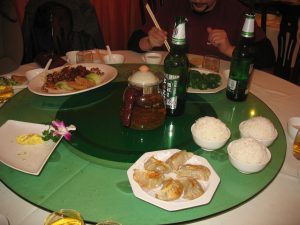
Eating on China’s HSR is completely acceptable, but etiquette dictates mindfulness regarding odors. While packaged snacks, bento boxes purchased at the station, and fruits are standard, strongly pungent foods (such as instant durian or heavily aromatic street foods) are frowned upon out of consideration for close-seated neighbors.
Ordering via QR Code
Many modern bullet trains feature seatback QR codes. If you scan these with your smartphone, you can order station-to-train food delivery (such as regional hot dishes or coffee) to be handed to you at upcoming stops. To use this feature seamlessly, ensure your mobile payment accounts are fully linked and active, as outlined in our guide on UnionPay QR and foreign cards 2026.
—
Seat Upgrades and Class Etiquette
China’s HSR typically offers several classes of service, each with distinct expectations and seating layouts:
* Second Class (二等座): Configured in a 3+2 layout. This is the most popular, economical, and bustling option. Etiquette here is casual, but standard courtesy regarding re-adjusting your seat back applies—always check behind you before reclining.
* First Class (一等座): Configured in a 2+2 layout with wider seats, more legroom, and greater quietude.
* Business Class (商务座): The pinnacle of comfort, featuring lie-flat pod-style seats in a 1+2 or 1+1 configuration, often including lounge access at major stations, complimentary snacks, and priority boarding. Quieter and more private, behavior here leans toward luxury lounge etiquette.
—
Frequently Asked Questions
1. Do I need to print my train ticket?
No. For the vast majority of high-speed rail routes in China, your passport acts as your electronic ticket. You simply scan your passport at the automated turnstiles or present it at the manual gate.
2. What happens if I miss my train?
If you miss your scheduled departure, you can often “change” (endorse/reschedule, known locally as Gaiqian) your ticket for a later train on the same day through the ticketing app or at a station service window, subject to seat availability and a potential modification fee.
3. Are there English signs and announcements in stations and trains?
Yes. Major stations and all high-speed trains feature bilingual announcements (Mandarin Chinese and English) and clear digital signage indicating boarding gates, car numbers, and station stops.
4. Can I smoke on China high-speed trains?
Strictly no. Smoking is completely prohibited everywhere on all high-speed trains, including vestibules, toilets, and connection areas. Violating this rule can result in hefty fines, travel bans, and intervention by railway police.
5. How early should I arrive at the train station?
<!–
title: China High-Speed Rail Etiquette for Foreigners 2026
slug: china-high-speed-rail-etiquette-foreigners-2026
category: People
focus: China HSR etiquette
meta: Quiet cars, luggage racks, food rules, seat upgrades and station security: practical high-speed rail manners for foreign travellers in China in 2026.
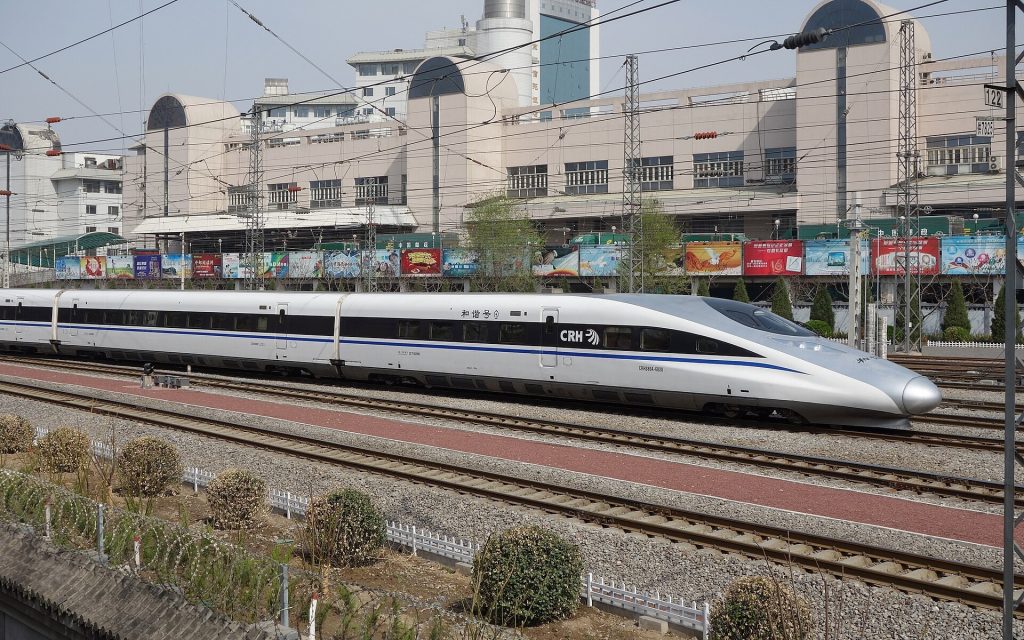
cover_alt: China Railway High-speed CRH380A train at a platform
cover_credit: Photo: 颐园新居 / Wikimedia Commons (CC BY-SA 3.0)
–>
We recommend arriving 45 to 60 minutes before departure. Stations are massive, security lines can be lengthy during peak travel periods, and boarding gates close strictly 5 minutes before the train leaves.