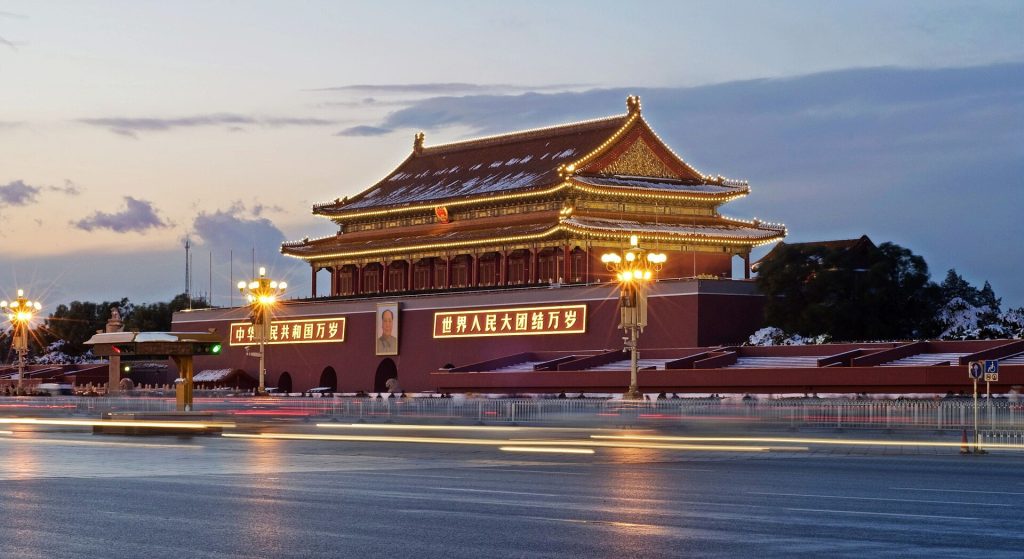
Planning your first trip to China’s vast, historic capital in 2026 requires a bit of digital preparation, but the reward is standing face-to-face with some of the world’s most magnificent ancient wonders. From navigating passport-bound ticketing to making the most of a multi-day itinerary, this comprehensive hub will walk you through exactly what to expect.
Who this Beijing first-visit hub is for
This guide is designed specifically for English-speaking first-time visitors planning a trip to Beijing in late 2026 or into 2027. Whether you are coming for a dedicated vacation or taking advantage of the current transit and visa-free options, this roadmap will save you time. Before diving in, find out if you even need a visa by using our China visa-free checker tool. If you are simply passing through, you might be eligible for the China 240-hour visa-free transit, giving you up to 10 days to explore the capital and beyond without a formal visa.
Day-zero: payment, eSIM/SIM, and hotel check-in
Before you step foot on Chinese soil, your “Day Zero” preparation is critical. Cash is rarely used in modern Beijing, so setting up mobile payments is a must. Download and verify your accounts using our guide to Alipay and WeChat Pay for foreigners.
To keep those payment apps running, you will need unrestricted internet access. Skip the expensive roaming fees and look into getting a China eSIM and local SIM to bypass the firewall and stay connected. Finally, when booking your accommodation, be aware of registration rules. Read our walkthrough on Hotel check-in with a foreign passport so you aren’t turned away at the front desk.
Tickets, passport ID rules, and booking apps
In 2026, physical tickets are virtually extinct in Beijing. Your foreign passport acts as your literal entry ticket for almost all major sights, and everything must be booked days (sometimes weeks) in advance through mini-programs.
The Palace Museum: This is the most notoriously difficult ticket to secure. Follow our Forbidden City visitor guide to learn exactly when and how to book.
Imperial Gardens: While slightly easier to book, you’ll still need passport registration. Read our Summer Palace (Yiheyuan) guide for ticketing steps.
Temples: Major spiritual sites require reservations. Check the Lama Temple (Yonghegong) guide for details on avoiding the crowds and securing entry.
Getting around: subway, Didi, and day logistics
Getting around a huge capital city can be intimidating, but the infrastructure is incredibly efficient. The subway is cheap, English-friendly, and bypasses the city’s infamous traffic jams. Learn how to ride like a local with our guide to the Beijing subway for foreigners.
For point-to-point travel, especially late at night or when your feet are exhausted, you will want the Chinese equivalent of Uber. We break down the English app interface in Didi for foreigners.
Where to stay: Dongcheng vs Chaoyang
When deciding where to stay, most first-timers narrow it down to two main districts:
Dongcheng District: The historic heart of Beijing. Stay here if you want to walk through traditional hutongs (alleyways), be close to the Forbidden City, and soak in the old-world atmosphere.
Chaoyang District: The modern, international hub. Stay here if you prefer luxury international hotel brands, Western-friendly nightlife, incredible skyline views, and easy access to the central business district.
3-day classic itinerary vs 5-day with the Great Wall
How long should you stay? A 3-day classic itinerary strictly focuses on the urban center—the imperial palaces, central parks, and main temples. It is fast-paced and leaves no room for error. A 5-day itinerary is the recommended sweet spot, allowing you to venture out to the mountains for the Great Wall while giving you a buffer day to rest or explore at a slower pace.
Sample day plans and what to skip on a first trip
Here is how to structure your days to maximize your time while avoiding tourist traps:
Day 1: The Imperial Core. Start at Tiananmen Square and walk straight into the Forbidden City. Exit through the north gate and climb Jingshan Park for sunset views. Skip: Wangfujing Snack Street (it’s heavily commercialized).
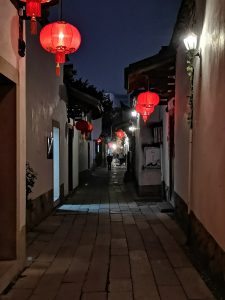
Day 2: Temples & Hutongs. Visit the Lama Temple in the morning, then spend the afternoon getting lost in the nearby Nanluoguxiang and Gulou (Drum Tower) hutong areas.
Day 3: The Summer Retreat. Dedicate the majority of your day to the Summer Palace. If you have energy later, head to the Temple of Heaven in the late afternoon.
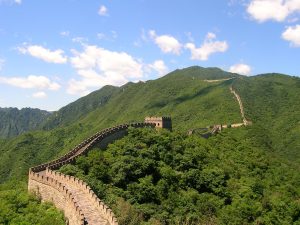
Day 4: The Great Wall. Get out of the city. For breathtaking views with modern amenities like cable cars, check out our Mutianyu Great Wall autumn guide. If you prefer the most historically famous (but heavily crowded) section, read our Badaling Great Wall guide.
Day 5: Modern Beijing. Explore the 798 Art District or the Olympic Park area before catching your flight or bullet train.
Tip: If you happen to be visiting late in the year, be sure to check out our seasonal breakdown on Beijing in November weather and sights to know what to pack.
Related hubs and free planning tools
Ready to build out your personalized schedule? Instead of using standard spreadsheets, map out your days perfectly using our interactive China itinerary builder tool.
FAQ
Is English widely spoken in Beijing?
Outside of international hotels and major tourist spots, English is not widely spoken. You should download translation apps like Baidu Translate or Apple Translate (with offline Chinese packages) to communicate effectively.
When is the absolute best time to visit?
Spring (April to May) and Autumn (September to October) offer the best weather. Autumn is particularly famous for its crisp, clear blue skies and comfortable temperatures.
Do I need to carry any physical cash?
While mobile payments rule the country, it is always wise to keep a small amount of cash in smaller bills as an emergency backup in case your phone battery dies.
Is the tap water safe to drink?
No. Do not drink tap water anywhere in China unless you boil it first. Hotels will provide complimentary bottled water daily, and convenience stores sell bottled water everywhere.
Do I need to tip at restaurants or hotels?
No. Tipping is not part of Chinese culture and is not expected by taxi drivers, waitstaff, or hotel attendants. In some cases, attempting to leave a tip may just confuse the staff!