For many visitors, the first real culture shock in China is not the language—it is standing at a breakfast window while everyone else pays with a phone. WeChat Pay (Weixin Pay) is everywhere: metro top-ups, convenience stores, small restaurants, scenic-spot cafés. In 2026, foreign travellers can often link an international bank card inside WeChat’s payment wallet, but the flow is not always smooth on the first try.
This guide walks through a high-level, official in-app path for adding a foreign card, the failure points travellers hit most often, how to think about limits without treating any screenshot number as eternal law, and what to do when WeChat Pay refuses your card. It is not a bypass, hack, or scam tutorial—only the legitimate wallet tools WeChat shows users. For the wider payments picture, start with our hub on Alipay and WeChat Pay for foreigners.
Before you start: accounts, network, and expectations
You need:
- A working WeChat account you can log into on your phone
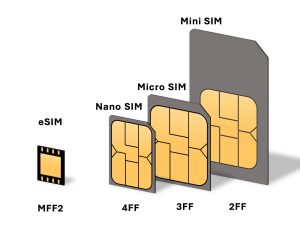
- A stable data connection (roaming, eSIM/local SIM, or hotel Wi‑Fi)
- An international debit or credit card from a network WeChat currently accepts for foreign users (commonly major card schemes—confirm inside the app, because support lists change)
- Patience for identity checks, bank SMS codes, and occasional “try again tomorrow” errors
WeChat is primarily a Chinese super-app. Menus can appear in English depending on language settings, but payment subpages sometimes revert to Chinese. Screenshot translate tools help; do not approve unfamiliar authorisations.
Also set up Alipay in parallel. Many visitors find one wallet accepts their card when the other does not. Cash and ATMs remain a backup—see ATMs and foreign cards in China.
High-level linking flow (official wallet path)
Exact button names shift with app versions. Conceptually, travellers usually:
1. Open WeChat → Me → Services (or Pay / Wallet, depending on localisation).
2. Enter the Wallet / Money area and look for Add card, Bank cards, or Payment methods.
3. Choose to add an international / overseas card if that option is shown for your account region.
4. Enter card number, expiry, and security code carefully.
5. Complete verification steps WeChat and your bank request—SMS OTP, app approval, or identity prompts.
6. Set or confirm a payment PIN for WeChat Pay.
7. Run a tiny test payment (convenience store water bottle) before you rely on it for a train-station lunch rush.
If your WeChat was long registered abroad, you may see different wallet entitlements than a mainland-oriented account. Follow only prompts inside the official app. Ignore strangers who offer to “upgrade” your wallet for a fee in chat.
Identity and real-name checkpoints
Payment regulators and platforms care about who is behind the wallet. You may be asked for passport information, a face check, or other real-name steps WeChat presents. Complete those in a private place, not while a helpful stranger holds your phone.
If WeChat asks for a mainland ID you do not have, stop and read the screen. Some features remain limited for overseas users; that is a platform rule, not something to solve with borrowed identity documents—never use someone else’s ID.
Common failure points (and what to try)
Bank declines the authorisation. Your home bank may block China cross-border merchant codes by default. Call or message the bank’s travel/fraud desk, enable international e-commerce payments, and retry. Try a second card from another scheme if you have one.
Region / app store / account mismatch. A WeChat account that behaves oddly after years of overseas use, or a phone region setting that confuses services, can produce cryptic errors. Updating the app from an official store, switching to stable network, and retrying after a few hours often helps more than tapping obsessively.
OTP never arrives. SMS to a foreign number can lag. Check coverage, wait, and request resend. Ensure your bank has the correct mobile number on file.
Card type not supported. Corporate cards, some prepaid travel cards, and certain fintech cards fail even when logos look familiar. A ordinary consumer debit/credit card is usually the better test.
Daily or annual limits. Foreign-card wallets often carry caps that change with policy and risk controls. Treat any number you saw on a forum as outdated until the app or official help page shows it. Plan larger expenses (hotels already prepaid abroad, big tour deposits) through channels that already work for you.
Phone dies at the wrong moment. Power banks are travel infrastructure in China. So is a backup payment method.
Using WeChat Pay day to day after linking
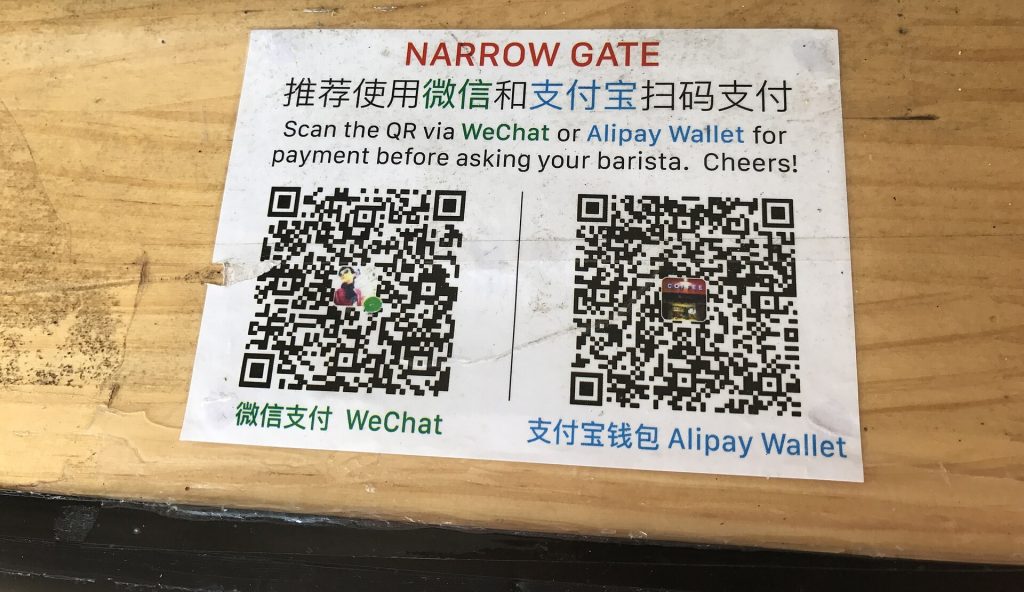
Merchants display a QR code you scan, or they scan your on-screen code. Confirm the amount before entering your PIN or biometrics. For taxis and Didi, payments are usually in-app once a ride completes. Street vendors may prefer Alipay or WeChat equally—ask “WeChat or Alipay?” with a smile.
Some older machines still want a physical UnionPay card or cash. Do not freeze when mobile pay fails; switch wallets or pay cash without drama.
Limits honesty without fake forever numbers
Travellers often ask, “What is the exact yuan limit?” Official and in-app limits for overseas cards have been adjusted over time and can differ by verification level. Rather than memorising a blog figure:
- Check the wallet’s help or limit page inside WeChat after adding your card
- Keep single transactions modest until a test succeeds
- Split large shopping days across Alipay, WeChat, and prepaid bookings
- Withdraw a sensible cash float once for moments mobile pay fails
If a merchant’s amount exceeds what your wallet allows, pay another way—do not try shady “agent top-up” offers in random chats.
Fallbacks that actually work
1. Alipay foreign-card wallet — set it up the same week as WeChat.
2. Cash from a bank ATM that accepts your card network — test early, not at a remote trailhead.
3. Hotel front desk guidance — many can point you to a working ATM nearby.
4. Prepaid international bookings — flights, some trains via third parties, and major hotels reduce onshore card stress.
5. UnionPay cards issued by your bank if you already have one—acceptance patterns differ from pure overseas Visa/Mastercard in some niches.
Pair this article with our cash still needed in 2026 reality check so you do not over-withdraw or under-prepare.
Safety basics
- Never share your WeChat Pay PIN or SMS codes.
- Disable wallet access on a phone you are selling or lending.
- Review bonded devices and login alerts in WeChat settings.
- Be wary of QR codes stuck over real merchant codes in tourist traps—check the payee name when shown.
- Official customer support is inside the app; random “payment helpers” on social media are not.
Late October–November 2026 travel tip
Cooler weather means more indoor cafés, museums, and mall food courts—almost all QR-based. Scenic areas around Beijing, Shanghai, Hangzhou, and Chengdu still surprise people with the odd cash-only side stall. Link cards before you leave the airport Wi‑Fi if you can, then test with a bottle of water on day one.
FAQ
Can every foreign card be added to WeChat Pay?
No. Support depends on card scheme, bank risk rules, and WeChat’s current overseas-card policy. Have a backup wallet and cash plan.
Do I need a Chinese phone number?
Some steps are easier with mainland numbers; many visitors complete foreign-card flows without one. If a prompt demands a number you cannot provide, try Alipay or ask WeChat help inside the app—do not buy grey-market accounts.
Is WeChat Pay enough on its own?
Often nearly enough in big cities—but not reliably 100%. Keep Alipay and a little cash.
Are limits fixed for all of 2026?
Do not treat any single figure as permanent. Check in-app notices and official help articles near your travel dates.
Where should I read next?
The full Alipay & WeChat Pay foreigners hub, plus ATM foreign-card tips.
Bottom line
Adding a foreign card to WeChat Pay is a normal 2026 visitor task when the bank, the card scheme, and the app agree—and a frustrating afternoon when they do not. Use only official wallet menus, test with a tiny purchase, enable Alipay in parallel, and keep a modest cash backup. That trio covers almost every breakfast window, metro gate, and museum café you will meet.