Ask ten recent visitors whether China is “cashless,” and you will hear ten confident answers that disagree. The honest 2026 picture for English-speaking travellers is this: mobile payments dominate everyday life, especially in Tier‑1 and Tier‑2 cities, but a modest amount of cash still solves awkward moments—and those moments cluster exactly where tourists wander.
This reality check explains where WeChat Pay and Alipay win, where cash or foreign-card POS still help, how to think about “how much to withdraw” without fake statistics, and how ATMs fit the plan. Pair it with our hubs on Alipay and WeChat Pay for foreigners and ATMs with foreign cards.
The default: phones first
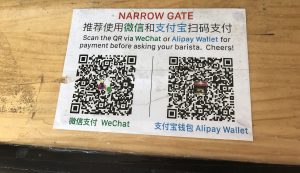
In Shanghai cafés, Beijing subway customer desks, Chengdu hotpot halls, and Hangzhou lakeside snack windows, staff will usually glance at your phone, not your wallet. QR codes sit on tables, glass counters, and even fruit carts. Many younger cashiers have rarely counted change for a foreigner.
If your WeChat Pay foreign card and Alipay wallet both work, you can move through most urban days without touching paper yuan. That is the goal—and it is realistic for a well-prepared visitor.
Where cash (or non-mobile options) still helps
Some taxis. App-based Didi rides usually bill digitally. Street-hail taxis increasingly take QR pay, but a tired driver at 1 a.m., a broken phone signal in an underpass, or a rural station rank can still leave you needing notes.
Tiny stalls and markets. Tourist night markets are often QR-ready; deep neighbourhood wet markets and mountain-path snack uncle setups may not be. If the speaker for the QR stand is offline, cash ends the negotiation politely.
Temple and shrine donation boxes. Many sites accept mobile donations; others still have wooden boxes for cash. Bring small notes if you plan to make an offering. Follow posted signs and local etiquette—see temple manners guides on Lovely China for context.
Countryside and small towns. The further you go from metro China, the more useful a cash float becomes—even if the village shop surprises you by accepting WeChat.
Offline phone moments. Dead battery, broken screen, airplane mode on a long temple hike, or wallet app maintenance windows: cash is the boring backup that still works.
Certain deposits and older machines. Occasional lockers, photo booths near government halls, or older ticket machines may prefer cash or mainland bank cards. Test alternatives early.
Tipping culture note. China is not a tipping-first economy in the Western restaurant sense. Do not leave cash tips where they confuse staff—unless a clear service context expects it.
How much cash is “reasonable”?
There is no universal number that fits every itinerary, and this article will not invent one disguised as data. Think in roles, not vanity amounts:
- Enough for a taxi from airport to hotel if apps fail on night one
- Enough for two or three meals if both wallets glitch
- Small notes for temple donations or tiny souvenirs
- Not so much that loss or theft ruins the trip
Many short-stay visitors withdraw once near a major bank ATM after landing, spend down slowly, and only withdraw again if heading somewhere rural. Multi-week travellers adjust. Prepaid hotels and already-paid tours reduce how much cash you need on your person.
ATM habits that save headaches
- Use bank ATMs inside branches or well-lit malls when possible
- Notify your home bank of travel dates so China withdrawals are not blocked
- Decline unnecessary dynamic currency conversion if you prefer your bank’s rate—read the screen carefully
- Take a friend or stay aware of your surroundings when pocketing cash
- Keep a photo of your card’s back-office phone numbers offline
If several ATMs reject your card, try another bank brand before assuming China “doesn’t take foreign cards.” Acceptance varies by machine network and your card’s partnerships. Details live in the ATM foreign cards guide.
Foreign cards at POS terminals
Upscale hotels, some department stores, and international brand restaurants may swipe or tap Visa/Mastercard/Amex directly. Smaller restaurants often will not. Do not plan a dumpling tour around POS availability—plan it around mobile pay, with cash as spare.
UnionPay-branded cards issued by overseas banks sometimes behave differently from pure overseas scheme cards. If you already hold one, it can be a useful extra—not a requirement.
Building a simple three-layer payments stack
1. Primary: WeChat Pay with foreign card linked and tested
2. Secondary: Alipay with foreign card linked and tested
3. Tertiary: Modest RMB cash + knowledge of a nearby ATM
Add a power bank and working local data so layers one and two stay alive. Payments fail more often from dead phones than from “China rejecting foreigners.”
Late October and November contexts
Autumn trips lean into temples, city walks, and cooler evening markets. Donation boxes and outdoor stalls show up more in photo itineraries. Northern cities get cold; pocketing a thin stack of notes is easier when you are already wearing a jacket with zipper pockets. Holiday-adjacent weekends can mean longer ATM queues at tourist stations—withdraw before you are desperate.
What not to do
- Do not exchange huge sums of cash on day one “just in case”
- Do not hand your card or passport to a stranger who offers a special exchange rate
- Do not pay random people who message you on WeChat claiming to fix wallet limits
- Do not assume every QR code pasted at eye level is legitimate—check payee names when shown
FAQ
Is China completely cashless in 2026?
No. Mobile pay is dominant in daily urban life, but cash still solves edge cases. Prepare for both.
Can I travel with zero cash if WeChat and Alipay work?
Some visitors manage in dense city cores. It is still wise to carry a small float for taxis, stalls, and dead-phone moments.
Should I bring USD or EUR notes to exchange?
You can exchange at major banks with your passport when services are available, but many travellers simply withdraw RMB from ATMs. Compare fees with your bank; avoid unofficial street exchangers.
Do temples require cash?
Not always. Many accept mobile donations. Small notes remain handy when only a box is offered.
What is the best first step after landing?
Get data online, test both payment apps with a tiny purchase, then withdraw a modest ATM amount if needed—before you leave the airport city bubble.
Bottom line
In 2026 you should optimise for mobile pay, not for a fat envelope of yuan. Cash is no longer the main character of a China trip, but it is still a reliable supporting actor for taxis, tiny stalls, temple boxes, rural corners, and offline mishaps. Link your wallets, keep a power bank, withdraw modestly once, and you will match how China actually pays—without the anxiety of either extreme.