Connectivity choices for China trips usually collapse into three buckets: rental pocket Wi-Fi, travel eSIM, and physical local SIM. Roaming from your home carrier is a fourth option that is simple when it works and expensive when it does not—see roaming vs local SIM honest guide.
This article compares pocket Wi-Fi and eSIM for late 2026 travellers. It is not a VPN tutorial and does not recommend illegal network tools.
Pocket Wi-Fi: when it wins
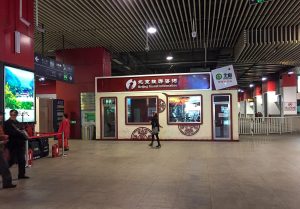
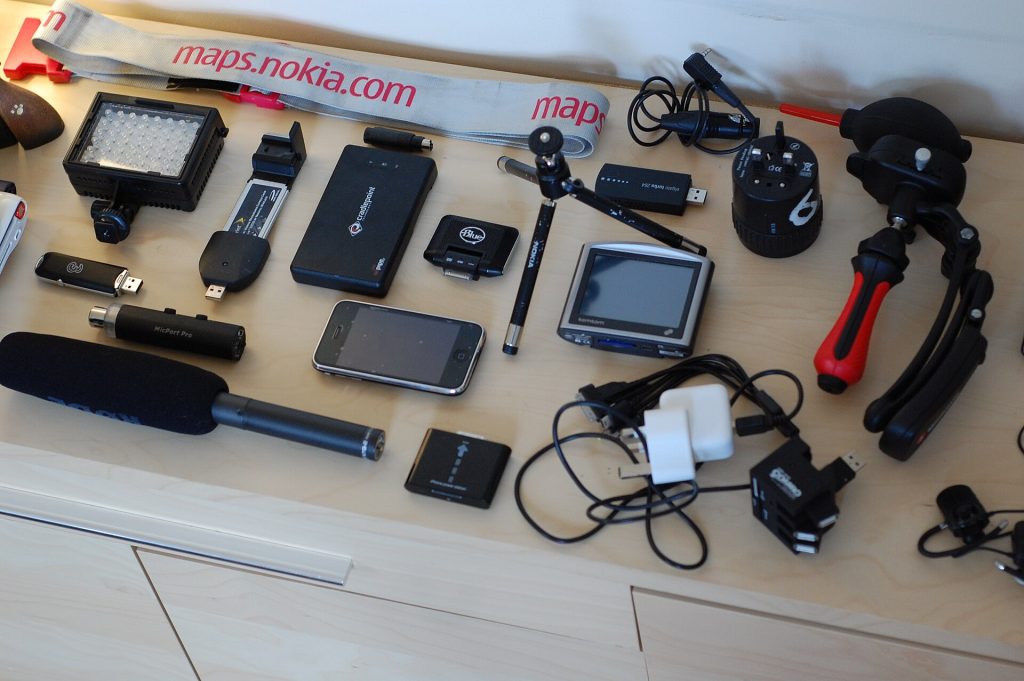
A portable hotspot shines when several people share one data pipe, when a traveller’s phone cannot install an eSIM, or when you want to keep your home SIM active for calls while routing data through the hotspot. Pickup can be at an airport counter or hotel delivery depending on the vendor—logistics matter as much as megabytes.
Downsides: another battery to charge, another device to lose, and the need to return hardware. November cold drains batteries faster; pack the vendor’s cable in your day bag, not the checked suitcase.
eSIM: when it wins
Travel eSIMs are light: scan a QR, install, land, connect. They suit solo travellers and couples with modern phones. Compare pickup and ship-to-hotel patterns in eSIM airport pickup vs ship-to-hotel, and carrier realities in SIM vs eSIM carriers compare. Confirm your handset is unlocked and eSIM-capable before you buy.
Downsides: one phone’s data does not automatically cover a friend’s tablet unless you hotspot (which spends battery). Some travellers also want a number that receives SMS for wallet recovery—not every travel eSIM product emphasises inbound SMS the same way.
Decision matrix in plain language
- Family of four with mixed phone ages: pocket Wi-Fi often simpler
- Solo with a recent phone: eSIM usually wins on convenience
- Need SMS for payments: prioritise a product that documents SMS capability, or plan a physical SIM
- Ultra-short transit: confirm activation works airside before you rely on it for airport rail
Honest coverage expectations
City cores on major eastern routes are generally strong; remote mountain counties and some underground malls are not. Offline maps still matter—pair this article with offline navigation planning and essential apps for foreigners. Hotel Wi-Fi alone is a fragile sole plan for banking apps; test early.
Setup sequence that reduces airport stress
Order or schedule pickup before you fly. Screenshot QR codes and order numbers. On landing, connect, run a speed test, then complete any remaining wallet steps. Keep a screenshot of vendor support contacts when cellular signal is still weak in the arrivals hall.
Return logistics and lost-device plans
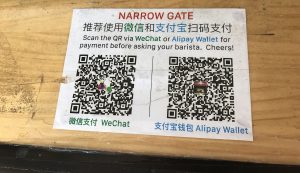
Pocket Wi-Fi contracts usually specify return desks or drop boxes—calendar the deadline the same way you calendar a flight. Photograph the device condition at pickup. For eSIM, keep the install QR offline and know how to reinstall if you reset a phone. Either way, store Alipay and WeChat Pay hub screenshots so payments survive a connectivity hiccup.
Practical checklist
- Confirm official rules on the relevant government, park, airline, or bank page near your travel week
- Screenshot bookings, tickets, and QR codes while you still have stable Wi-Fi
- Save hotel and attraction names in Chinese characters in your phone notes
- Carry passport, a backup payment method, and a small cash float (why cash is still needed)
- Test one small mobile payment before you rely on wallets at a gate or taxi
- Build time buffers for security lines, November weather, and bilingual navigation
- Prefer refundable holds until visas, trains, or park tickets are confirmed
- Keep the China travel tools page page bookmarked for related Lovely China hubs
How to verify information without panicking
English travel blogs lag policy changes. When something critical is at stake—entry permission, ticket validity, or whether a card works—use primary sources: embassy or VAC pages, National Immigration Administration notices, official park reservation platforms, airline apps, and the screens inside Chinese super-apps. Lovely China articles such as Alipay and WeChat Pay hub, high-speed rail first-timers guide, and essential apps for foreigners help you orient, but they are not substitutes for the live rule in front of you.
If two sources conflict, choose the stricter one until you can ask a human at the counter. That habit prevents most arguments that begin with “I read online that…” at gates.
FAQ
Can I use pocket Wi-Fi and eSIM together?
Yes—some travellers keep eSIM data and use hotspot only as backup, or vice versa.
Does pocket Wi-Fi replace a Chinese phone number?
Usually no; it is a data pipe, not a local mobile number.
Is home roaming enough?
Sometimes for a weekend; check costs and whether banking apps behave. See the roaming guide.
Where do I compare carriers?
See the SIM vs eSIM carriers comparison article.
Notes for late 2026 travellers
Late October and November bring cooler mornings, earlier sunsets, and comfortable train weather across much of eastern and central China. Pack layers, keep phone batteries warm outdoors, and leave extra time whenever a clear weekend coincides with popular sightseeing.
This article does not invent ticket prices, opening hours, processing times, consular fees, or official statistics. When a number matters, verify it on the official site, consulate page, app screen, or ticket board near your travel week.
Write key Chinese addresses into your phone notes before you leave Wi-Fi. Screenshot tickets and booking codes. Carry a small cash float even if you prefer wallets—see why cash is still needed. Reconfirm last-mile transport the evening before early starts.
If an official rule page disagrees with this guide, follow the official page. Lovely China orients English-speaking travellers; we are not an immigration, banking, or medical authority. Keep the China travel tools page bookmarked for other logistics hubs.
Traveller mindset
Move slowly through paperwork moments. A calm queue is cheaper than a missed train or a refused visa file. When language fails, show passport pages, booking screens, and maps with Chinese labels. Hotel front desks and station information booths are used to helping foreigners through routine steps.
Keep expectations honest: China is highly digital, but edge cases remain. Your job is not to memorise every exception—it is to carry backups (second card, cash, offline maps, written addresses) so one failure does not end the day. For everyday apps, start with essential apps for foreigners.