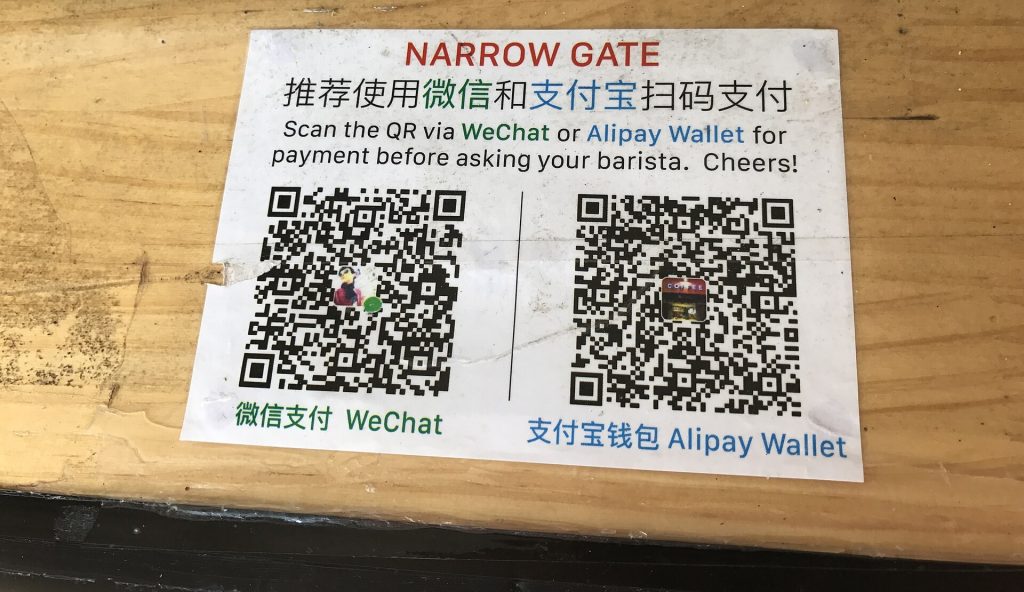
China’s everyday economy runs on QR codes. That fact panics travellers whose home phone number cannot receive Chinese SMS, or who refuse to buy a local number. You can still travel—but you need a layered payment plan, not a single miracle app setting.
This guide is honest about friction. It is not a tutorial for illegal SIM cloning, borrowed identities, or banned network tools.
Why phone numbers matter
Many wallet features were designed around Chinese mobile numbers for login recovery, merchant binding, and risk checks. Foreign-card tourist modes have improved, yet some steps still send SMS or assume a reachable number. If your only SIM is roaming without inbound SMS, expect extra manual verification or dead ends on certain flows.
Strategy stack that usually works
Layer 1 — Foreign-card wallet setup before you fly. Work through Alipay setup for foreigners and WeChat Pay foreign card guide on reliable home Wi-Fi. Complete identity checks while you can still receive email OTP and bank app pushes.
Layer 2 — Test a tiny payment. Buy a bottle of water near your first hotel. Do not discover failure at a train gate or night market stall.
Layer 3 — Cash float. ATMs and cash still save evenings—see why cash is still needed and ATM foreign cards cash guide.
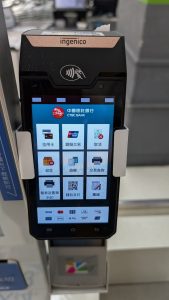
Layer 4 — Card-accepting venues. Hotels, major airports, and some chains take foreign cards more often than alley noodle shops.
Layer 5 — Optional China number. A lawful local SIM or travel eSIM that can receive SMS reduces recovery pain—compare options in roaming vs local SIM honest guide and eSIM airport pickup vs ship-to-hotel.
What often breaks without a China number
Re-binding a wallet after reinstalling the app, some merchant mini-programs that demand local mobile verification, account recovery if you lose the phone, and certain transit QR enrolments that insist on SMS. None of these failures means “China is impossible”—they mean you need a backup layer ready before hunger and jet lag peak.
What often still works
Tourist-oriented foreign-card flows that already verified abroad, hotel front-desk card payments, station and airport ticket counters that take cards or cash, and paper metro tickets where machines allow them—see tourist metro cards vs mobile pay. Side-by-side wallet behaviour still differs; the WeChat Pay vs Alipay for tourists article helps you decide whether one app is enough for a short stay.
Practical day plan for the first 48 hours
Day 0 (home): install wallets, add card, screenshot customer-service entries, download offline maps.
Day 1 (arrival): ATM cash, hotel Wi-Fi test payment, buy a local connectivity option if wallets feel fragile.
Day 2: Prefer QR where it works; keep cash for markets and taxis that still prefer it. If a merchant’s code fails, ask whether they accept foreign cards or cash before you abandon the queue.
November travel note
Cold fingers and dying phone batteries make QR failure more common outdoors. A power bank and a small cash envelope in an inner pocket are boring—and effective. For a broader payments hub, start at Alipay and WeChat Pay hub.
Practical checklist
- Confirm official rules on the relevant government, park, airline, or bank page near your travel week
- Screenshot bookings, tickets, and QR codes while you still have stable Wi-Fi
- Save hotel and attraction names in Chinese characters in your phone notes
- Carry passport, a backup payment method, and a small cash float (why cash is still needed)
- Test one small mobile payment before you rely on wallets at a gate or taxi
- Build time buffers for security lines, November weather, and bilingual navigation
- Prefer refundable holds until visas, trains, or park tickets are confirmed
- Keep the China travel tools page page bookmarked for related Lovely China hubs
How to verify information without panicking
English travel blogs lag policy changes. When something critical is at stake—entry permission, ticket validity, or whether a card works—use primary sources: embassy or VAC pages, National Immigration Administration notices, official park reservation platforms, airline apps, and the screens inside Chinese super-apps. Lovely China articles such as Alipay and WeChat Pay hub, high-speed rail first-timers guide, and essential apps for foreigners help you orient, but they are not substitutes for the live rule in front of you.
If two sources conflict, choose the stricter one until you can ask a human at the counter. That habit prevents most arguments that begin with “I read online that…” at gates.
FAQ
Can I use only a foreign Visa card everywhere?
No. Many small merchants are QR-only. Carry wallet and cash backups.
Must I buy a Chinese number?
Not always, but it simplifies recovery and some verifications.
Is borrowing a local friend’s number for signup OK?
Risky and against many platform rules. Use your own lawful identity.
Where should I start setup?
Follow the payments hub plus the Alipay and WeChat foreign-card guides.
Notes for late 2026 travellers
Late October and November bring cooler mornings, earlier sunsets, and comfortable train weather across much of eastern and central China. Pack layers, keep phone batteries warm outdoors, and leave extra time whenever a clear weekend coincides with popular sightseeing.
This article does not invent ticket prices, opening hours, processing times, consular fees, or official statistics. When a number matters, verify it on the official site, consulate page, app screen, or ticket board near your travel week.
Write key Chinese addresses into your phone notes before you leave Wi-Fi. Screenshot tickets and booking codes. Carry a small cash float even if you prefer wallets—see why cash is still needed. Reconfirm last-mile transport the evening before early starts.
If an official rule page disagrees with this guide, follow the official page. Lovely China orients English-speaking travellers; we are not an immigration, banking, or medical authority. Keep the China travel tools page bookmarked for other logistics hubs.
Traveller mindset
Move slowly through paperwork moments. A calm queue is cheaper than a missed train or a refused visa file. When language fails, show passport pages, booking screens, and maps with Chinese labels. Hotel front desks and station information booths are used to helping foreigners through routine steps.
Keep expectations honest: China is highly digital, but edge cases remain. Your job is not to memorise every exception—it is to carry backups (second card, cash, offline maps, written addresses) so one failure does not end the day. For everyday apps, start with essential apps for foreigners.