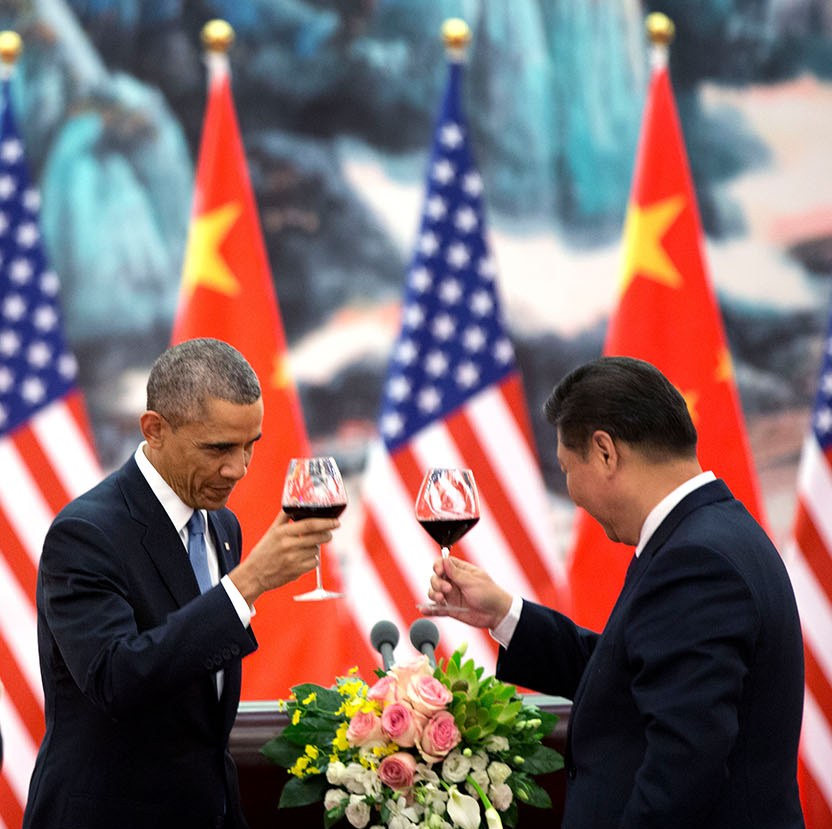
A Chinese dinner toast can arrive suddenly: chairs scrape, glasses rise, and someone says ganbei. Foreign guests freeze between copying everything and refusing everything. This guide covers toast and ganbei etiquette with soft exits. It is distinct from banquet seating layouts (Chinese banquet seating etiquette).
Also useful: chopsticks etiquette for foreigners, queue etiquette for foreigners, tipping in China for foreigners.
When hosts toast
Hosts or seniors often initiate. Stand if others stand; smile; hold your glass. You do not need perfect Mandarin—a simple thank-you toast later is enough. Soft eye contact beats theatrical speeches.
Ganbei versus a polite sip
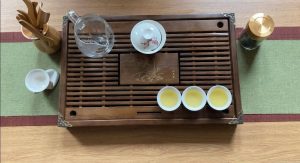
Ganbei literally urges “dry the cup,” but modern tables vary. Match the room: if elders sip, you may sip; if the table truly empties small glasses, decide your limit early. Nobody benefits from you getting ill. Water or tea in the glass is a widely understood soft decline when offered honestly.
Glass-height courtesy myths
You may hear you must hold your glass lower than a senior’s. Treat it as soft courtesy, not law—awkward over-compliance looks stranger than a calm, respectful clink.
Declining without drama
Say you are on medication, driving later, or simply a light drinker. Offer tea, soft drink, or a symbolic wet-lips touch. Do not shame others for drinking, and do not force shy neighbours to match you.
Hosting a return toast
One short thank-you toast toward the host near mid-meal is gracious. Keep it under thirty seconds. Put phones away while glasses are up.
November banquet season
Cooler months bring more reunion dinners. Eat enough food with the alcohol, pace water, and plan a metro or Didi home—not heroic walking in the cold.
Business versus family tables
Business banquets may stack more formal toasts; family tables may be looser. Follow the host’s lead more than a memorised rulebook. Seating politics belong in Chinese banquet seating etiquette; here you only need glass manners.
After the toasting winds down
Pace water, eat protein and vegetables, and arrange a sober ride home. Soft goodbyes at the door matter as much as mid-meal speeches.
<!–padded–>
Extra field notes for late 2026
Cross-check live official pages the week you travel. Keep passport, why cash is still needed, and one working wallet path (Alipay and WeChat Pay hub). Screenshot Chinese addresses and booking codes. November light fades earlier—start iconic outdoor plans sooner, and leave buffers for metro security trays.
<!–padded2–>
Translating soft declines
A short phrase plus a smile works: tea instead of baijiu, “I drive tomorrow,” or “doctor asked me to rest.” Hosts usually protect a guest who is clear and warm. Keep chopsticks etiquette parallel (chopsticks etiquette for foreigners) so the whole table presence feels considered.
Photographing toasts respectfully
Ask before blasting flash across elders’ faces. A quick group photo after the toast is usually welcome; live-streaming a private banquet is not. Put phones face-down during speeches unless the host invites content.
Traveller self-check before you go
Re-read this article’s angle once more the night before you need it. Confirm official pages, pack passport and why cash is still needed, test Alipay and WeChat Pay hub on hotel Wi-Fi, and save Chinese place names offline. November schedules punish optimism—leave earlier than your summer self would. If anything here disagrees with a staff instruction or a live notice, follow the live source and write [email protected] only if you spot a site error worth fixing.
One more calm reminder
Screenshots beat memory. Bilingual staff beat argument. Soft courtesy beats perfect Mandarin. Keep China travel tools page bookmarked for sibling guides that cover adjacent decisions on the same trip day.
Related Lovely China reading
For payments, start with Alipay and WeChat Pay hub and WeChat Pay vs Alipay for tourists. For trains, keep high-speed rail first-timers guide and 12306 passport signup for foreigners handy. City hubs: Beijing first-visit guide, Shanghai first-visit guide. Connectivity: roaming vs local SIM honest guide, pocket Wi-Fi vs eSIM for China, offline maps for foreigners. Bookmark China travel tools page.
Practical checklist
- Confirm official rules on the relevant government, park, airline, or bank page near your travel week
- Screenshot bookings, tickets, and QR codes while you still have stable Wi-Fi
- Save hotel and attraction names in Chinese characters in your phone notes
- Carry passport, a backup payment method, and a small cash float (why cash is still needed)
- Test one small mobile payment before you rely on wallets at a gate or taxi
- Keep the China travel tools page page bookmarked for related Lovely China hubs
FAQ
Must I finish every glass?
No. Sip, switch to tea, or state a clear limit early—soft honesty beats collapse.
Should I always stand?
Follow the table: stand when the group stands for a formal toast; seated sips happen too.
What if I do not drink alcohol?
Tea or soft drinks are normal; explain once warmly and people usually adjust.
Is this the same as seating etiquette?
No—seating has its own guide; this piece is about toasts and ganbei.
Notes for late 2026 travellers
November and early December bring cooler mornings, earlier sunsets, and comfortable walking weather across much of eastern and central China. Pack layers and leave extra time on clear weekends at popular sights.
This article does not invent ticket prices, opening hours, processing times, consular fees, or official statistics. When a number matters, verify it on the official site, app screen, or ticket board near your travel week.
If an official rule page disagrees with this guide, follow the official page. Lovely China orients English-speaking travellers; we are not an immigration, banking, or medical authority.