Wise, Revolut, and similar fintech apps issue Visa or Mastercard debit cards that many travellers already carry. The hopeful question is whether that one card can run a mainland China trip in late 2026 or over New Year 2027. The honest answer is narrower: it can be a useful backup for cash and some card terminals. It is not a complete substitute for Alipay, WeChat Pay, or a conventional bank card.
This is not a repeat of ATM foreign cards cash guide or dynamic currency conversion at ATMs and hotels, though you will use both. It is about what these fintech products usually are, and what they usually are not, in mainland China.
What these cards usually are
Most Wise and Revolut cards that visitors bring are international debit cards on Visa or Mastercard networks. They are not UnionPay-issued mainland travel passes, and they are not automatically the same thing as Apple Pay / Google Pay status or a bound Alipay wallet. Features change, so confirm your own card type in the official app before you fly. We will not invent acceptance rates, ATM fee tables, or a claim that these cards always bind to Alipay or WeChat Pay.
Where they often still help:
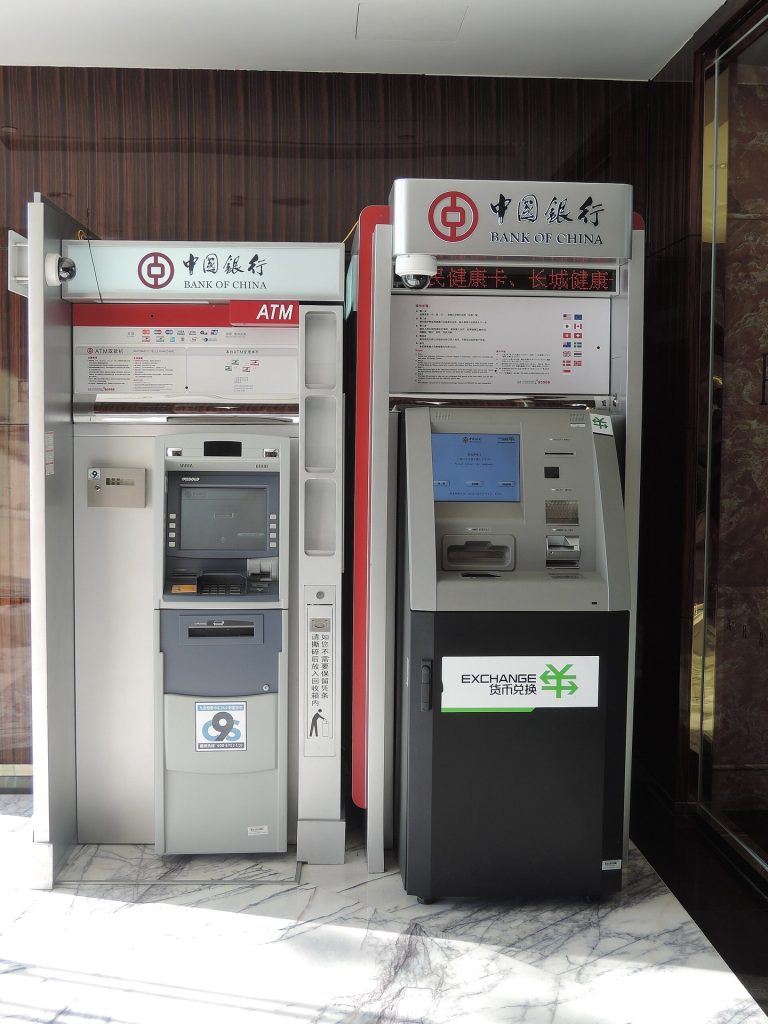
- Withdrawing yuan at some ATMs that accept Visa or Mastercard, subject to the machine, the network, and your app’s own withdrawal limits
- Paying at some hotel desks, larger supermarkets, or restaurants that still take a physical foreign card
- Keeping a separate travel balance so a decline does not freeze your main salary account
Where they often disappoint:
- Small restaurants, kiosks, and metro gates that want a local QR wallet
- Machines or desks that accept only UnionPay
- Wallet binding that worked for a friend last year and fails in your app this week
Treat a successful coffee-shop test as a test, not as proof that the hotel deposit will clear.
ATMs, DCC, and codes
If you withdraw cash, follow the same discipline as any foreign card. Choose a reputable bank ATM, watch for unexpected fees on the screen, and decline dynamic currency conversion if you want your own issuer to convert, as dynamic currency conversion at ATMs and hotels explains. Your fintech app may also show a conversion; that is a different screen from the ATM’s DCC prompt. Screenshot both if anything looks odd.
3-D Secure or SMS checks can stop an ATM or an online top-up if the home number cannot receive messages in China. Enrol the official in-app or authenticator options your provider offers before you fly, and keep a travel notice or in-app travel toggle on if the product has one. keep bank and email 2FA working in China covers the wider problem of bank and email codes.
currency exchange airport vs bank remains useful if you would rather change a modest amount of cash at a bank instead of relying only on ATMs. A small cash float, as when you still need cash argues, still solves the stall that no card network can.
Wallets are a separate question
Some visitors succeed in binding a Wise or Revolut card to Alipay or WeChat Pay; some do not. The live app is the only authority. Do not pay a stranger to “upgrade” a wallet, and do not assume that a successful bind removes all limits. Alipay setup for foreigners and WeChat Pay foreign card guide explain the ordinary foreign-card setup; Alipay daily spend limits with a foreign card and the WeChat spending-limit companion explain why a bind is not a blank cheque.
If binding fails, you still have ATM cash plus occasional card terminals plus, ideally, a conventional bank card in a second wallet. That combination is the realistic plan. If binding succeeds, test a small payment while you still have time to fix problems, not at a railway ticket window.
A simple pre-departure setup
1. Update the official fintech app, confirm the physical or tokenised card is active, and know how to freeze it.
2. Set a sensible ATM and purchase limit in the app, and note how you will raise it if you need to, using only official menus.
3. Enrol official 2FA that does not depend on a single SMS arriving in a basement restaurant.
4. Carry a second, conventional debit or credit card, and complete Alipay and WeChat Pay hub wallet setup on at least one of them if you can.
5. Land with a modest cash amount already in hand if you can obtain yuan legally before arrival, or withdraw a test amount at a bank ATM after you land.
Fintech cards are tools. In mainland China they work best as part of a boring stack: wallet, conventional card, cash. Recheck your provider’s official China or Asia travel notes near your trip. Lovely China does not issue cards and does not guarantee acceptance.
Related Lovely China reading
For payments, start with Alipay and WeChat Pay hub and WeChat Pay vs Alipay for tourists. For trains, keep high-speed rail first-timers guide and 12306 passport signup for foreigners handy. City hubs: Beijing first-visit guide, Shanghai first-visit guide. Connectivity: roaming vs local SIM honest guide, pocket Wi-Fi vs eSIM for China, offline maps for foreigners. Bookmark China travel tools page.
Practical checklist
- Confirm official rules on the relevant government, park, airline, or bank page near your travel week
- Screenshot bookings, tickets, and QR codes while you still have stable Wi-Fi
- Save hotel and attraction names in Chinese characters in your phone notes
- Carry passport, a backup payment method, and a small cash float (why cash is still needed)
- Test one small mobile payment before you rely on wallets at a gate or taxi
- Keep the China travel tools page page bookmarked for related Lovely China hubs
FAQ
Will Wise or Revolut always work in Alipay or WeChat Pay?
No. Binding is uncertain and can change. Test in the official wallet apps if you try, and keep ATM cash, a conventional bank card, and a working local wallet as the real plan.
Should I accept the ATM amount shown in my home currency?
Not automatically. That is often dynamic currency conversion. If you want your issuer to convert, choose CNY or RMB when the machine offers the choice, and confirm with your own app later.
What should I set up before I fly?
Official 2FA that does not depend on a single SMS, a travel or card-active setting in the official app, a second conventional card, and a modest cash plan.
Notes for late 2026 travellers
Late December 2026 and the New Year week into 2027 bring colder mornings, earlier sunsets, and holiday crowds in many city hubs. Pack real winter layers in the north, and leave extra time on weekends and around 1 January.
This article does not invent ticket prices, opening hours, processing times, consular fees, or official statistics. When a number matters, verify it on the official site, app screen, or ticket board near your travel week.
If an official rule page disagrees with this guide, follow the official page. Lovely China orients English-speaking travellers; we are not an immigration, banking, or medical authority.