The minibus shudders to a halt on a dusty shoulder of the Shaoshi road, and the air smells of pine resin and cold stone. Through the open door I see the red walls of the monastery rising against the grey flank of Wuru Peak, the incense smoke already curling above the Hall of Heavenly Kings before the first tour group clears the gate. I have come up this mountain in the bitter month before the New Year and again in the thick heat of the seventh moon; the rhythm of the place changes with the light, but the weight of the stones underfoot stays the same.
Finding the Mountain Gate
Most travelers reach Dengfeng by high‑speed train from Zhengzhou or Luoyang, then catch a local bus or a shared van for the final twenty kilometers. The road climbs through orchards of persimmon and walnut before the forest closes in. If you arrive in the slack season — after the autumn harvest festival but before the spring lanterns — the parking lot is half empty and the ticket window has no queue. Buy the standard entry; the extra fee for the Pagoda Forest is worth it, but skip the electric cart unless your knees are truly shot. The walk from the gate to the main courtyard takes twenty minutes on a paved path that passes a stream crossed by a humpbacked stone bridge. Wear shoes you can kick off quickly; you will do it often.
Moving Through the Courtyards
The complex unfolds along a north‑south axis. First comes the Hall of Heavenly Kings, where Maitreya smiles behind a lattice of incense sticks. Locals bow three times, touch their foreheads to the threshold, and step over — never on — the raised sill. Foreigners who plant their soles on the wood draw sharp glances from the grey‑robed novices sweeping the steps. Beyond lies the Mahavira Hall, its roof ridges guarded by glazed chiwen dragons. Inside, the three Sakyamuni statues gaze down through clouds of sandalwood. Monks chant the Heart Sutra at dawn and again at dusk; the sound rolls off the tiled floor like a low drum. Stand at the back, hands folded, phone dark. If you must photograph, do it from the doorway without flash.
The Pagoda Forest and the Cave
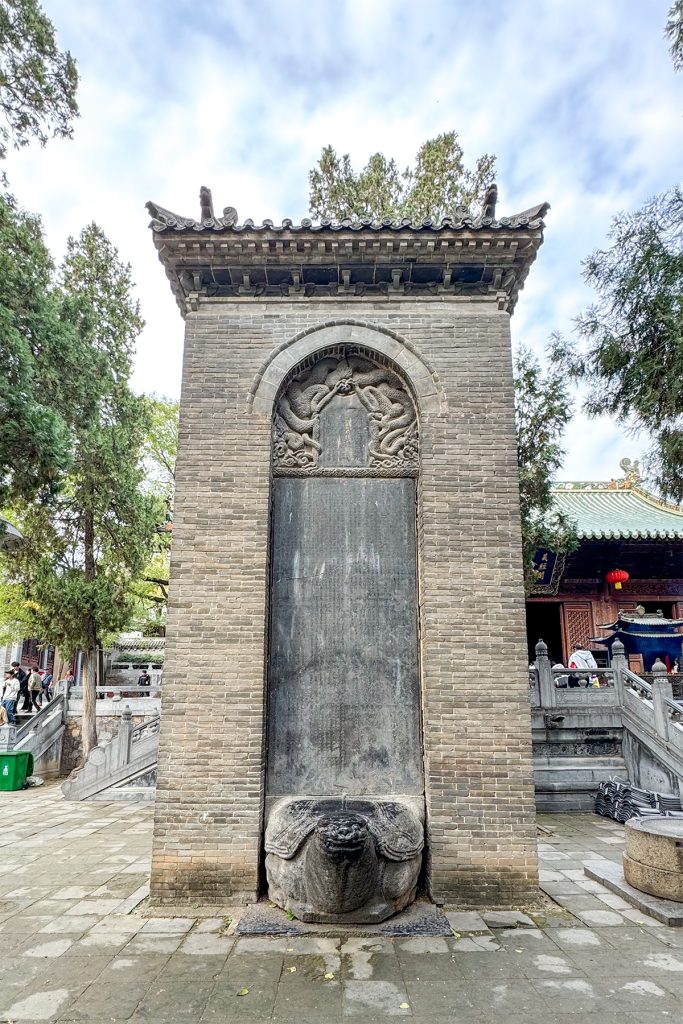
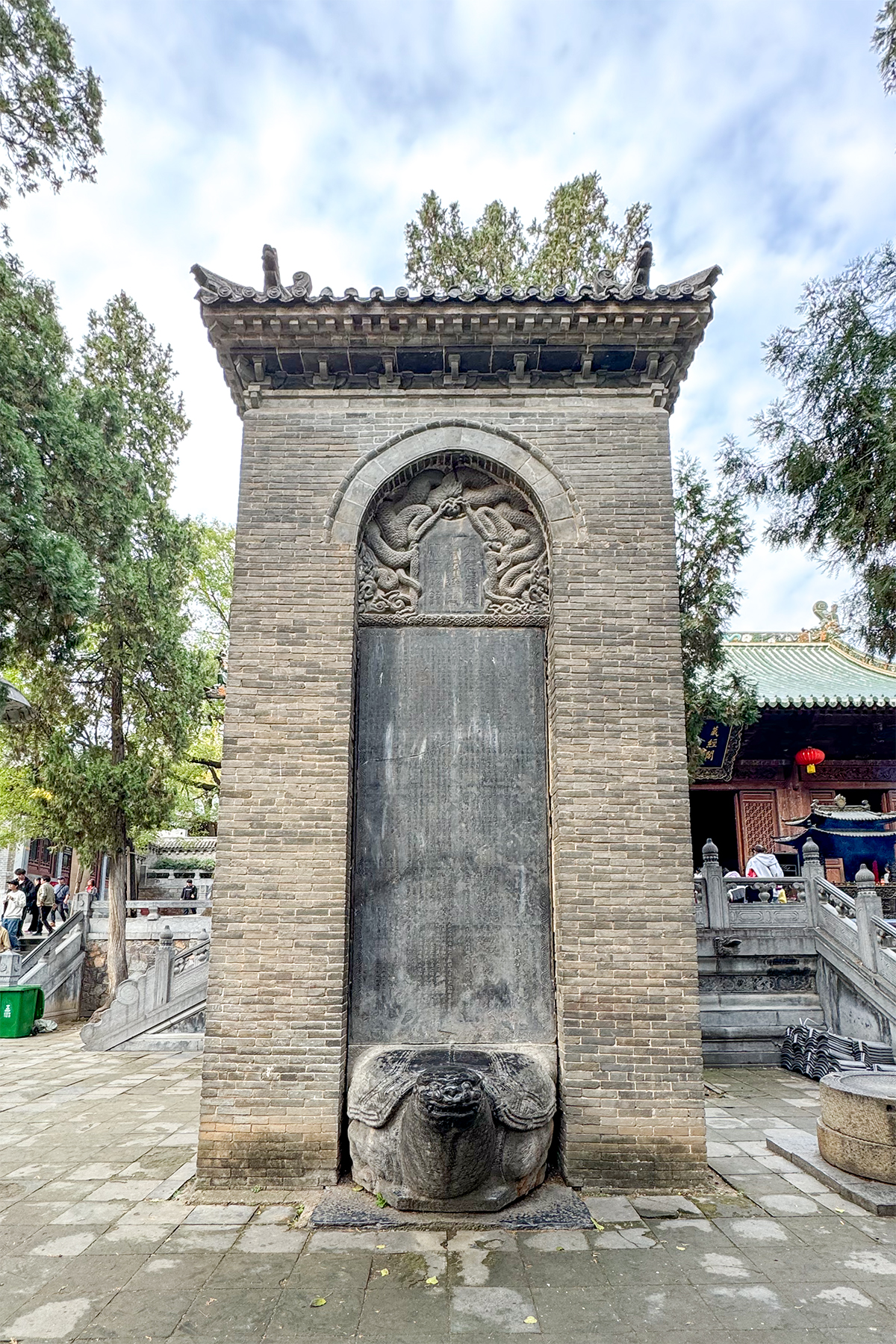
A fifteen‑minute walk west of the main compound brings you to the Pagoda Forest, a field of stone towers marking the tombs of abbots from the Tang through the Qing. Each pagoda’s shape and number of eaves encode the monk’s rank and the era of his death. In the slant light of late afternoon the carvings — lotus bands, flying apsaras, guardian lions — catch fire. Further up the slope, a narrow stair cuts into the cliff face to Bodhidharma’s Cave. The legend says he stared at the wall for nine years; the reality is a cramped grotto barely two meters deep, its walls blackened by centuries of candle soot. Pilgrims press foreheads to the cold rock and slip red envelopes into a metal box. I once watched an old nun from Sichuan count out one hundred and eight prostrations on the stone flags outside, her knees hitting the same spot where the patriarch supposedly sat.
Watching the Monks Train
The martial reputation draws crowds to the performance hall near the east gate, but the real training happens before sunrise on the open plaza behind the Scripture Pavilion. In the cold months the monks wear grey cotton jackets over their robes; in summer they strip to sleeveless undershirts. They run forms — Xiao Hong Quan, Da Hong Quan, the staff set — each movement snapping from a low horse stance. There is no music, only the hiss of breath and the slap of bare feet on stone. Visitors are tolerated at the perimeter if they stay silent. Do not mimic the postures beside them; a senior monk once stopped a tourist mid‑kick with a single raised hand and a look that needed no translation. If you want instruction, the temple runs a foreign‑student program through the Shaolin Cultural Center. Applications open after the Lantern Festival; you need a health certificate, a letter of intent, and the patience to wait for a reply that may not come until the plum blossoms fall.
Eating and Sleeping on the Mountain
The monastery’s guesthouse offers bare rooms with shared bathrooms and a canteen that serves vegetarian meals at fixed hours: rice, braised tofu, seasonal greens, a bowl of millet congee. The food is bland by design — no garlic, no onion, no chili — but the tofu carries the smoke of the wok and the greens taste of the spring water they were washed in. Eat everything in your bowl; leaving rice is considered disrespectful to the labor that grew it. Outside the gate, a row of family‑run inns rents heated kang rooms. The proprietors will fry you hand‑pulled noodles with shredded pork and pickled mustard stem, a heavy breakfast that fuels the climb back down. Bargain gently; the first price is never the last.
Mistakes That Mark You as a Novice
- Stepping on the threshold of any hall. Step over.
- Pointing at statues or monks with an index finger. Use an open palm.
- Speaking loudly in the chanting halls. The acoustics carry a whisper across the courtyard.
- Handing money directly to a monk. Place donations in the wooden box at the altar.
- Wearing shorts or sleeveless tops past the first gate. Keep shoulders and knees covered.
- Asking a monk to pose for a selfie. They are not performers.
- Buying “blessed” bracelets from hawkers on the stairway. The real ones are given, not sold.
When the last bus rattles down the mountain and the gates clang shut, the wind picks up the scent of pine and woodsmoke. The red lanterns along the wall flicker on, one by one. I sit on the bridge railing, watching the light pool on the water, and understand why the first abbot chose this fold of the mountain. It does not give up its silence easily, but if you move slowly and keep your mouth shut, it lets you listen.