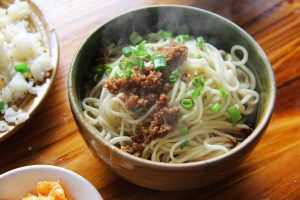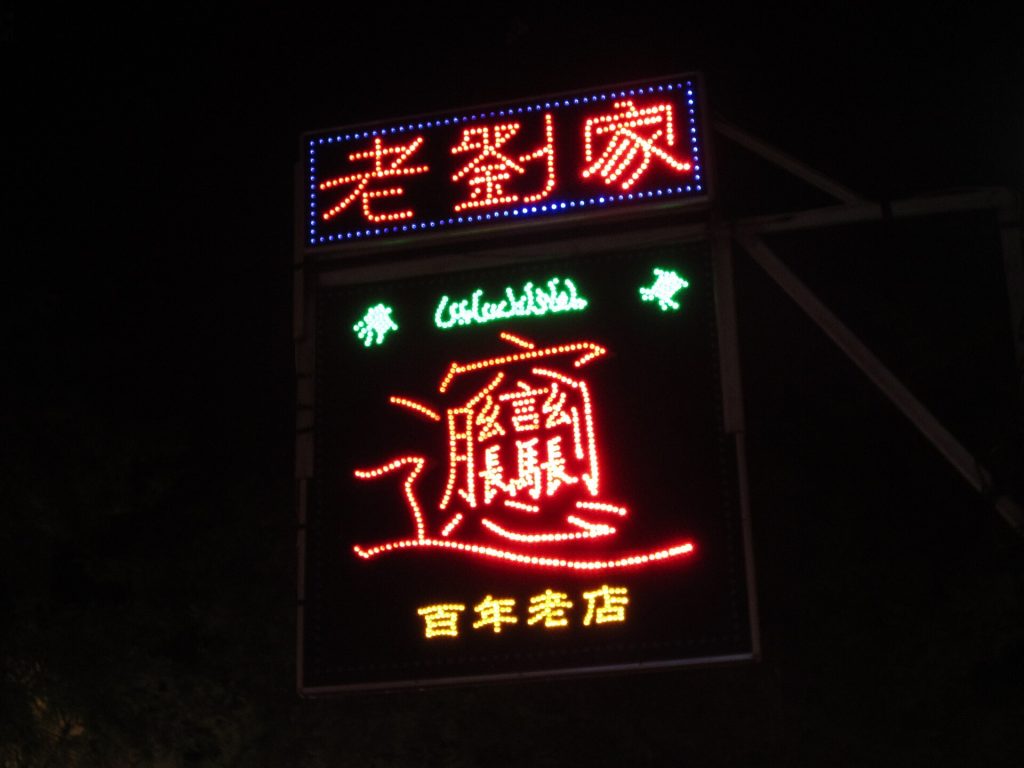
If you have ever scrolled through a food video feed and stopped in your tracks at the sight of a chef aggressively slapping a thick, yard-long belt of dough against a wooden counter, you have likely encountered Biangbiang noodles. Hailing from China’s northwestern Shaanxi province, these iconic hand-pulled noodles are famous not just for their dramatic preparation, but for their incredible texture and punchy, aromatic flavor profile.
For the first-time explorer of Shaanxi cuisine, Biangbiang noodles can feel intimidating. Between the intricate Chinese character for “biang” (which features 58 strokes and is one of the most complex Chinese characters in existence) and the sizzling oil poured directly over raw garlic and chili flakes, there is a lot to take in. This guide will walk you through everything you need to know to order, eat, or even make your very first bowl of Biangbiang noodles with total confidence.
—
What Makes Biangbiang Noodles Unique?
At their core, Biangbiang noodles are defined by three distinct elements: shape, texture, and the signature hot oil splash. Unlike the round, delicate strands found in Cantonese wonton soups or the thin wheat noodles of Lanzhou beef noodle soup, Biangbiang noodles are shaped like thick, wide belts.
* The Shape: A single portion often consists of just one or two extremely long, wide strips of dough folded accordion-style in the bowl.
The Texture: Because they are hand-stretched and boiled fresh, they offer a phenomenal QQ* texture—a culinary term used in Asian cuisine to describe food that is delightfully chewy, springy, and resilient to the bite.
The Sound: The name “Biang” is entirely onomatopoeic. It mimics the loud, rhythmic thwack-thwack* sound the dough makes as the noodle maker slaps it against the kitchen counter during the stretching process.
If you are exploring other iconic regional noodle dishes around the world, you might also enjoy our deep dive into hand-pulled lamian noodles or our guide on how to master homemade dandan noodles.
—
The Anatomy of a Classic Bowl: Flavors and Toppings
A traditional bowl of Biangbiang noodles is deceptively simple in its ingredient list, relying on bold, contrasting flavors rather than a heavy, complex broth. Because the noodles themselves are so substantial, the sauce clings to every square millimeter of the wide belt.
1. The Aromatics and Spices
The bowl is typically assembled by layering the cooked noodles in the bottom and piling raw toppings directly on top:
* Shaanxi Chili Flakes: Coarsely ground chili flakes that pack a smoky, vibrant punch without being overwhelmingly spicy. Shaanxi chillies are prized for their earthy depth rather than purely scorching capsaicin.
* Minced Garlic and Scallions: Raw garlic provides a sharp, pungent bite that mellows out slightly when heated. Scallions add a crisp, clean contrast.
* Ginger and Cilantro: Added for fresh, herbaceous brightness to balance the richness of the oil and starch.
2. The Hot Oil Splash (You Po)
The defining moment of preparing Biangbiang noodles is the you po (oil-泼) technique. Right before serving, the chef heats neutral cooking oil (often infused with star anise, cinnamon, bay leaves, and scallion roots) until it is shimmering and nearly smoking.
The piping-hot oil is ladled directly over the pile of raw garlic, scallions, and chili flakes. This flash-cooks the spices instantly, releasing an intoxicating aroma of toasted chili and garlic and creating an instant, bubbling emulsion right in your bowl.
3. Seasoning and Vinegar
Once the oil sizzles down, core seasonings are added to complete the flavor profile:
* Chinese Black Vinegar (Chinkiang Vinegar): Essential for providing a sharp, fermented acidity that cuts through the rich oil and elevates the garlic.
* Light Soy Sauce: For saltiness and umami depth.
Optional Proteins and Vegetables: While traditionally eaten “dry” with just sauce and blanched greens (like bok choy, spinach, or bean sprouts), modern variations often include braised pork, tomatoes and eggs (fanqie jidan), or cumin lamb (you po shaozi*).
For tips on pairing regional Asian noodles with the right beverages to cool down the spice, check out our guide on pairing drinks with spicy Asian cuisine.
—
The Making of the Legend: The 58-Stroke Character
No introduction to Biangbiang noodles is complete without discussing the character used to write their name. The word “biang” does not exist in standard modern Chinese dictionaries because the character is an ideographic coinage created locally in Shaanxi.
With 58 strokes, it is one of the most complex Chinese characters ever devised. The character visually breaks down the steps of making the noodles: the sound of the dough hitting the counter, the flour, the horse, the road, and the heart. In Xi’an noodle shops, you will often see the character painted on walls, menus, and signage as a point of regional pride. Local folklore even holds that the character was invented by a starving scholar who traded his calligraphy for a bowl of these very noodles.
—
How to Eat Biangbiang Noodles Like a Pro
Eating a bowl of Biangbiang noodles for the first time is an experience. Because the noodles are exceptionally long and wide, standard chopstick etiquette gets thrown out the window. Follow these tips to enjoy your meal without splashing chili oil across your clothes:
* Tangle and Mix Thoroughly: Before your first bite, use your chopsticks to thoroughly mix the noodles, sauce, and toppings from the bottom up. The hot oil and vinegar need to coat the entire surface of the belt for the best flavor balance.
* Master the Lift: Do not try to slurp a whole strip in one go. Instead, use your chopsticks to fold or pinch a manageable section of the noodle while letting the rest rest in the bowl.
* Embrace the Bib (or Dark Clothes): The hot oil splash method means tiny droplets of red chili oil are prone to splashing. Wearing a dark shirt or accepting a paper apron is a badge of honor for any noodle lover.
* **Pair with Fermented Noodle Water (Mian Tang):** Many authentic Shaanxi noodle shops will offer you a complimentary bowl of hot water used to boil the noodles (mian tang). Sipping this warm, starchy water aids digestion and helps clear your palate between spicy bites.
—
Frequently Asked Questions
Why are they called Biangbiang noodles?
The name is onomatopoeic, representing the sound of the dough being slapped against the kitchen counter during preparation. The Chinese character for “biang” is notoriously complex (containing 58 strokes) and is so intricate that it does not appear in standard modern Chinese dictionaries; it is often taught through a traditional mnemonic rhyme recited by noodle makers.
Are Biangbiang noodles very spicy?
Traditional versions feature a generous amount of Shaanxi chili flakes, but the heat level is generally manageable—focusing more on smokiness and warmth rather than scorching heat. If you are sensitive to spice, you can ask the restaurant to reduce the amount of chili flakes (la jiao), or request a mild variant topped with tomatoes and eggs instead of pure chili oil.
Can I make Biangbiang noodles at home?
Yes! While hand-stretching the dough requires a bit of practice and technique (usually involving resting the dough in oil so it stretches without snapping), you can easily recreate the flavor profile at home. Start with high-gluten wheat flour, water, and salt. After kneading and resting, roll the dough into logs, coat them in oil, press them flat, and stretch them into wide ribbons before boiling. Alternatively, you can use wide store-bought wheat noodles or pappardelle pasta tossed in hot garlic-chili oil and black vinegar.
—
Related Guides
* A Beginner’s Guide to Hand-Pulled Lamian Noodles
* How to Master Homemade Dandan Noodles
* Pairing Drinks with Spicy Asian Cuisine