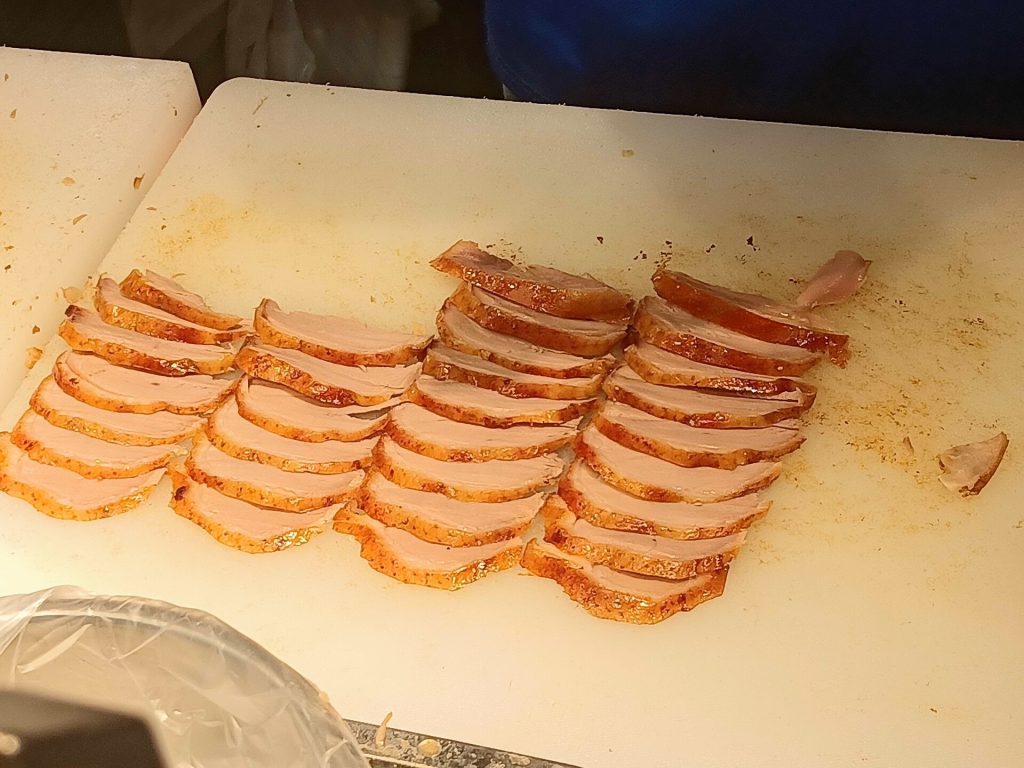
Crispy, amber-gold skin that shatters at the touch, tender meat infused with aromatic smoke, and a ritualistic assembly of thin pancakes, sweet bean sauce, and crisp scallions—Peking duck (Beijing roast duck) is more than just a meal; it is a culinary masterpiece with centuries of history. If you are planning a trip to China, perhaps taking advantage of the China 30-Day Visa-Free Entry in 2026: Which Countries Qualify and the Rules, sitting down for a proper Peking duck feast is an absolute rite of passage.
However, walking into a historic roast duck house for the first time can feel slightly intimidating if you don’t know the etiquette, how the meal is structured, or how to spot the difference between a legendary establishment and a tourist trap. This guide will walk you through everything you need to know to order, eat, and pace your Peking duck meal like a local.
—
1. How a Classic Peking Duck Meal is Served
Unlike Western-style roast duck, which is often served in heavy quarters with a rich gravy, traditional Peking duck is a multi-step dining experience designed around texture, contrast, and wrap-it-yourself interactivity.
The Carving Ritual
Once your whole duck is roasted to a crisp, mahogany perfection, the chef will roll the bird out on a cart right beside your table. Part of the charm is watching the master carver slice the duck with surgical precision. Traditionally, a duck yields around 108 slices. The carving follows a strict anatomy:
* The Skin Only (Sugar Dip): The very first pieces carved are the ultra-crispy skin from the breast, often served with a small dish of white sugar. Dipping hot, fatty, crisp duck skin into sugar sounds unusual to newcomers, but the sweet-savory contrast melts instantly on your tongue.
* Mixed Meat and Skin: The remaining slices combine the lean breast and leg meat with a sliver of crispy skin attached.
The Wrap Components
Your table will be set with a steamer basket of paper-thin Mandarin pancakes (bing), a dish of freshly julienned scallions (or leeks), cucumber sticks, and a small bowl of sweet bean sauce (tianmianjiang) or hoisin-style fermented bean paste.
How to build your wrap:
1. Lay a thin pancake flat on your palm.
2. Use your chopsticks to smear a small swipe of sweet bean sauce onto the center of the pancake.
3. Add 2 or 3 pieces of duck (ensuring a mix of skin and meat).
4. Top with a few strands of fresh scallion and cucumber for a bright, crunchy bite.
5. Fold the bottom up, tuck in the sides, and roll it into a neat little cylinder. Eat it in two bites!
—
2. What to Expect: Authentic Houses vs. Tourist Traps
Beijing is filled with duck restaurants, but the dining experience can vary wildly depending on where you go.
* Historic Heritage Houses vs. Commercial Chains: Traditional establishments emphasize time-honored roasting techniques—often using fruitwood like peach, pear, or jujube to impart a subtle, fruity smoke. Modern mall chains are convenient, clean, and consistent, but they can sometimes lack the old-world ambiance and deep-rooted culinary soul of heritage spots.
* Spotting Tourist Traps: Be wary of establishments located directly outside major tourist gates (like certain alleyway touts near historical sights) that aggressively wave English menus at you with inflated prices and subpar, soggy skin. A reputable spot will have a bustling local clientele, clear menus, and a visible queue of diners waiting patiently for a table.
—
3. Beyond the Basics: Etiquette and Ordering Nuances for First-Timers
Navigating a high-end roast duck restaurant involves a few subtle cultural customs and ordering strategies that will help you blend in seamlessly.
* Understanding Duck Breeds and Pricing: Authentic Beijing roast ducks are typically made from specially bred Pekin ducks known for their plump frames and subcutaneous fat layer. Restaurants usually sell ducks whole or half, with whole ducks being the standard for table-side carving. Be aware that cutting fees or service charges for the carving master are common practice in traditional restaurants.
* Mastering Table Etiquette: Peking duck is inherently finger-food when it comes to eating the wraps, but using your chopsticks to construct them is polite. If you are dining with elders or local hosts, it is customary to let them take the first wrap from the steamer basket.
Creative Accompaniments: While pancakes are standard, upscale and traditional houses often provide alternative wrapping options, such as sesame seed sesame pockets (shao bing*) or thin hollow bread buns, which absorb the rich juices wonderfully. You might also be offered small side dishes of pickled radish or garlic paste to cut through the richness of the fat.
—
4. Pacing the Meal, Sides, and the Soup Course
A Peking duck meal is rarely just “duck and pancakes.” It is a multi-course progression.
* Don’t Over-Order: A whole duck is usually more than enough for two to three people, especially once you factor in the appetizers and sides. If you are traveling solo or in a pair, many places offer half-ducks, though a whole duck is best if you want the full carving experience.
Complementary Dishes: To balance the richness of the duck, order a light, refreshing vegetable dish—such as shredded garlic cucumbers (paihuanggua*) or stir-fried seasonal greens with garlic. For a deeper dive into navigating local dining nuances across China, you can also check out guides on other classic staples like Sweet and Sour Chinese Pork for First-Timers: What to Expect and How to Order.
* The Grand Finale: Duck Soup: Once the meat has been carved off the duck, what happens to the carcass? In an authentic meal, you can request that the remaining bones be simmered into a milky, rich duck soup, usually served with tofu, cabbage, or winter melon. It is deeply nourishing, savory, and serves as the ultimate palate cleanser at the end of the meal.
—
5. Reservation Culture and How to Research Reputable Places
Because authentic Peking duck requires hours of preparation—inflating the skin, air-drying, and roasting over open flames—popular restaurants book out days in advance, especially during peak travel seasons or weekend dinner rushes.
* How to Find Reputable Spots: Instead of relying on random internet lists, use local Chinese lifestyle and mapping platforms. Navigating your way to these spots is seamless once you learn How to Use Amap (Gaode Maps) in China as a Foreigner: 2026 English Guide. Search for “烤鸭” (Kǎoyā / Roast Duck) on local review apps to see which restaurants have high ratings from everyday local foodies rather than international tourist review sites.
* Making Reservations: Many top-tier legacy restaurants require booking via local mini-programs (like WeChat or Alipay) or calling ahead. If walk-in dining is your only option, aim to arrive 30–45 minutes before peak meal times (around 5:30 PM for dinner or 11:00 AM for lunch) to secure a table without enduring a multi-hour wait.
Savoring your first proper Peking duck is an unforgettable milestone on any culinary adventure through China. Pace yourself, embrace the interactive wrapping ritual, and enjoy every shattering, savory bite!
FAQ
Is this guide current for late 2026?
It reflects commonly reported practice as of October 2026. Always re-check official sources before you travel, because rules, ticket platforms and seasons change.
Where can I verify details?
Use the official website, WeChat account or ticket platform named for this topic. For payments and maps, see Lovely China’s practical visitor guides linked above.
What if my situation is unusual?
Ask your hotel, airline, park ticket office or embassy/consulate for case-specific advice rather than relying only on a blog post.