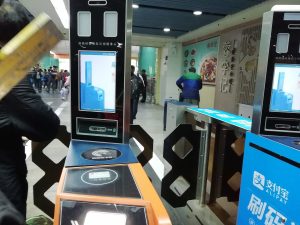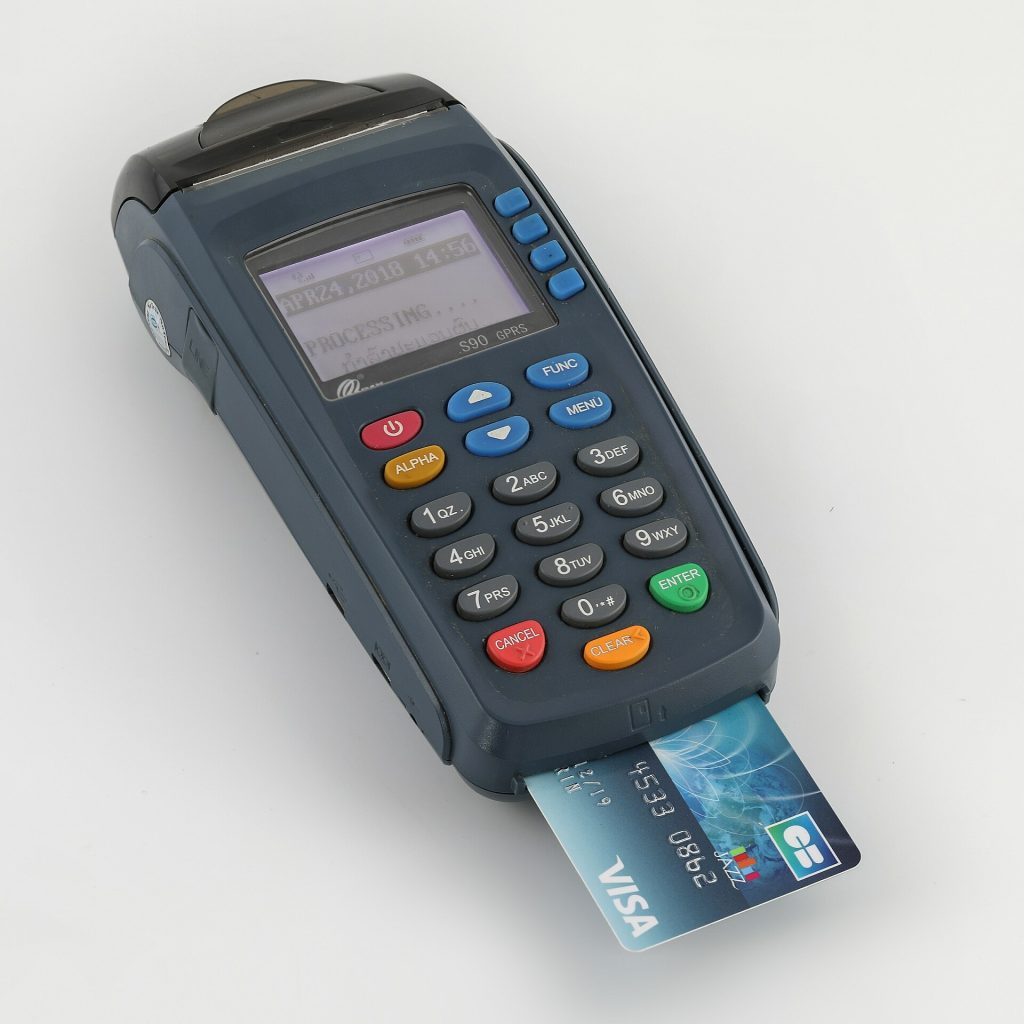
UnionPay branding is everywhere on Chinese shop doors—but “UnionPay QR with a foreign card” is not the same as tapping a chip card at home. Some foreign banks support UnionPay online or QR products; many travellers still live inside Alipay and WeChat. This guide clarifies the lanes so you do not stare at a blue-red sticker wondering which app to open.
See also foreign card tap-to-pay in stores, Alipay and WeChat Pay hub, ATM foreign cards cash guide, and why cash is still needed.
Three different things people confuse
1. UnionPay card present / tap / insert — physical card acceptance at terminals
2. UnionPay QR / cloud QuickPass-style wallet flows — phone-based QR that settles on UnionPay rails
3. Alipay or WeChat Pay with a foreign card behind them — the QR you actually scan most days
A sticker that shows UnionPay + Alipay + WeChat means “one of these might work,” not “your home banking app’s QR is guaranteed.”
When foreign cards shine
International hotels, some department stores, and airport shops may take foreign chip cards directly (foreign card tap-to-pay in stores). Always carry a backup card and know your PIN/cash plan (ATM foreign cards cash guide). Declines happen for fraud filters, not because China “rejected you personally.”
QR reality for visitors
Most visitors succeed faster by finishing Alipay setup for foreigners and WeChat Pay foreign card guide setup than by hunting a pure UnionPay QR path inside a foreign banking app. If your bank explicitly markets China QR payments, test with a low-value purchase on day one and keep screenshots.
How to behave at the cashier
- Point at the sticker set and ask which QR they prefer
- Open the matching app before the total is announced
- If the first wallet fails, switch once—then use cash
- Avoid letting staff type passwords into your banking app
Online bookings and deposits
Some domestic ticketing or deposit flows expect domestic UnionPay or local wallets. Foreign cards may fail on 12306-adjacent tourism add-ons even when the train ticket path itself works (12306 passport signup for foreigners, high-speed rail first-timers guide). Have a Chinese friend or hotel concierge plan only when necessary—and understand what they can see.
Building a redundant stack
Ideal tourist stack:
- Alipay with foreign card
- WeChat Pay with foreign card
- One physical card for tap-friendly merchants
- Small RMB cash float
That stack covers nearly all urban days without needing to become a UnionPay protocol expert.
November note
Holiday-adjacent weekends increase failed-pay retries at popular restaurants. Prep QR brightness and offline screenshots of payment success pages after your first OK test.
Related Lovely China reading
For payments and wallets, start with Alipay and WeChat Pay hub and WeChat Pay vs Alipay for tourists. For trains and long-distance moves, keep high-speed rail first-timers guide and 12306 passport signup for foreigners handy. For city orientation, the Beijing first-visit guide, Shanghai first-visit guide, and Chengdu first-visit guide hubs remain useful even when your trip centres on another province. Connectivity backups live in roaming vs local SIM honest guide, SIM vs eSIM carriers compare, pocket Wi-Fi vs eSIM for China, and offline maps for foreigners. Bookmark China travel tools page so you can jump between logistics topics without searching from scratch on hotel Wi-Fi at midnight.
Practical checklist
- Confirm official rules on the relevant government, park, airline, or bank page near your travel week
- Screenshot bookings, tickets, and QR codes while you still have stable Wi-Fi
- Save hotel and attraction names in Chinese characters in your phone notes
- Carry passport, a backup payment method, and a small cash float (why cash is still needed)
- Test one small mobile payment before you rely on wallets at a gate or taxi
- Build time buffers for security lines, November weather, and bilingual navigation
- Prefer refundable holds until visas, trains, or park tickets are confirmed
- Keep the China travel tools page page bookmarked for related Lovely China hubs
How to verify information without panicking
English travel blogs lag policy changes. When something critical is at stake—entry permission, ticket validity, or whether a card works—use primary sources: embassy or VAC pages, National Immigration Administration notices, official park reservation platforms, airline apps, and the screens inside Chinese super-apps. Lovely China articles such as Alipay and WeChat Pay hub, high-speed rail first-timers guide, and essential apps for foreigners help you orient, but they are not substitutes for the live rule in front of you.
If two sources conflict, choose the stricter one until you can ask a human at the counter. That habit prevents most arguments that begin with “I read online that…” at gates.
FAQ
Is UnionPay QR the same as Alipay?
No. Alipay and WeChat are apps; UnionPay is a network. Merchants may accept several brands at once.
Will my foreign debit card’s UnionPay logo always work?
Logo helps for card-present acceptance; QR and e-commerce paths still depend on your bank’s China support.
Should I prioritise UnionPay QR over Alipay?
Most tourists should prioritise Alipay and WeChat Pay first, then use card tap and cash as backups.
What if only a UnionPay QR is offered?
Try your bank’s supported China QR product if you have one; otherwise ask for Alipay/WeChat or pay cash.
Notes for late 2026 travellers
Late October and November bring cooler mornings, earlier sunsets, and comfortable train weather across much of eastern and central China. Pack layers, keep phone batteries warm outdoors, and leave extra time whenever a clear weekend coincides with popular sightseeing.
This article does not invent ticket prices, opening hours, processing times, consular fees, or official statistics. When a number matters, verify it on the official site, consulate page, app screen, or ticket board near your travel week.
Write key Chinese addresses into your phone notes before you leave Wi-Fi. Screenshot tickets and booking codes. Carry a small cash float even if you prefer wallets—see why cash is still needed. Reconfirm last-mile transport the evening before early starts.
If an official rule page disagrees with this guide, follow the official page. Lovely China orients English-speaking travellers; we are not an immigration, banking, or medical authority. Keep the China travel tools page bookmarked for other logistics hubs.
Traveller mindset
Move slowly through paperwork moments. A calm queue is cheaper than a missed train or a refused visa file. When language fails, show passport pages, booking screens, and maps with Chinese labels. Hotel front desks and station information booths are used to helping foreigners through routine steps.
Keep expectations honest: China is highly digital, but edge cases remain. Your job is not to memorise every exception—it is to carry backups (second card, cash, offline maps, written addresses) so one failure does not end the day. For everyday apps, start with essential apps for foreigners.