The minibus rattles to a halt on a dusty shoulder outside Yucheng County, Henan. A vendor waves a steamer basket of pork buns at the open window, steam curling into the cool spring air. Across the road, a stone archway painted faded red marks the entrance to a walled compound where a bronze statue stands: a young woman in armor, hair tied in a topknot, one hand resting on a sword hilt. No tour groups, no audio guides, just an old caretaker sweeping fallen leaves from the courtyard stones. This is where the Ballad says she came from.
The Ballad and the Land It Comes From
The earliest version of the story fits on a single scroll, a folk song composed during the Northern Wei era when the capital sat at Datong and the frontier ran along the Yellow River’s great bend. It does not name a village. It says only “Mulan weaves, facing the door,” then “no sound of loom, only girl’s sighs.” The conscription notice arrives, the father has no grown son, the daughter buys a saddle, a bridle, a long whip, and rides ten thousand li to the Black Mountain. The geography in the poem is deliberate: the Yellow River, the Yanran Mountain, the cold watchfires at night. If you follow the old post road north from Luoyang toward the grasslands, you cross the same river fords the ballad mentions. The landscape has not changed as much as the highways suggest.
Where the Shrines Actually Are
Three places claim her. The compound in Yucheng, Henan, is the quietest. A Ming dynasty stele inside the gate records a reconstruction ordered by a local magistrate who believed the ballad’s “Mulan Village” was here. The courtyard holds a hall with a single painted statue, incense ash deep in the bronze burner. The caretaker will tell you the family surname was Wei, not Hua, but the name Hua stuck after a Tang poet used it in a verse. An hour west by car, near the Yellow River’s eastern bend, a newer temple complex in Hubei’s Huangpi District draws bigger crowds. It was rebuilt in the 1990s on a site mentioned in a Song dynasty gazetteer. The third site sits in the mountains of Shanxi, a cave shrine where soldiers once left arrows before marching north. None of them feel like tourist traps. They feel like places where people still ask her for courage.
What the Ballad Leaves Out
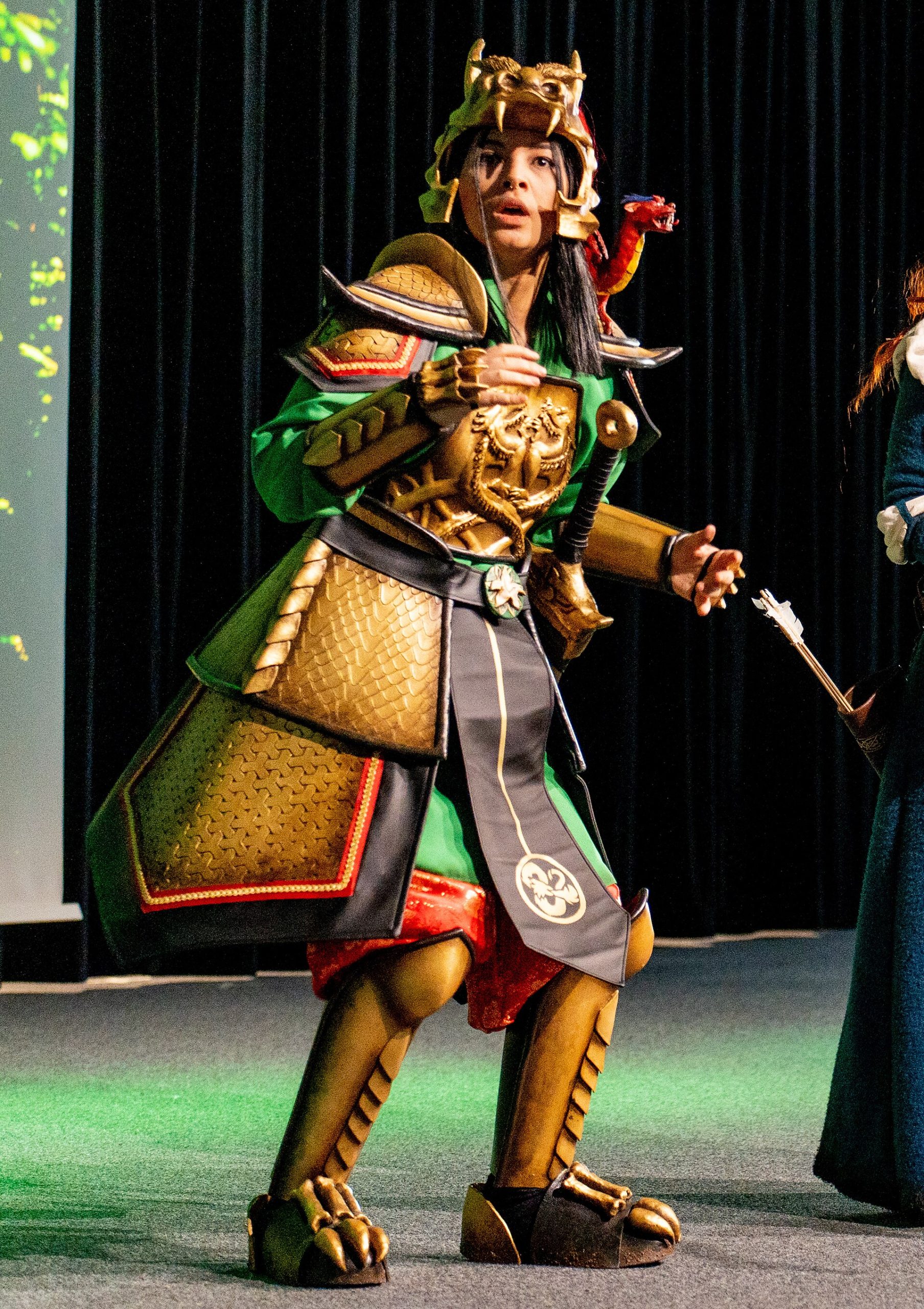
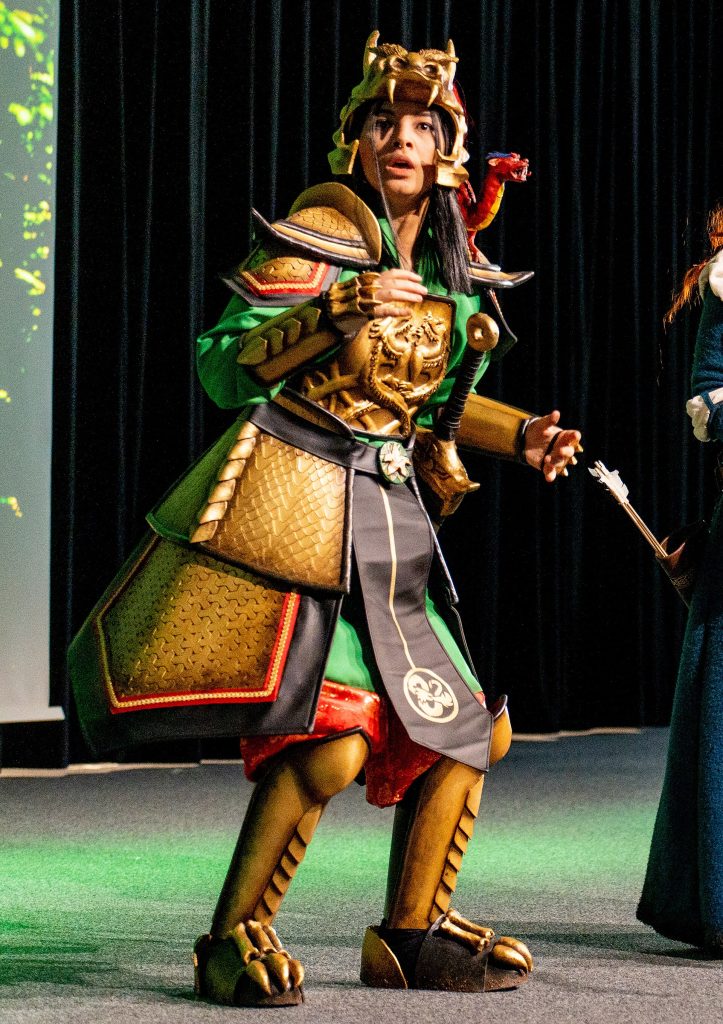
The poem ends with the famous line: “The he-hare’s feet go hop and skip, the she-hare’s eyes are muddled and fuddled. Two hares running side by side close to the ground, how can they tell if I am he or she?” It does not say what happened after she walked back through her gate. Later operas and novels filled the silence. A Ming playwright gave her a younger sister and a arranged marriage she refused. A Qing novelist had her commit suicide rather than become a concubine to a khan. The Disney films added a dragon and a lucky cricket. In the villages near the Henan shrine, elders tell a different ending: she taught the village girls to ride and shoot, and the local militia kept a women’s archery squad for generations. Ask the caretaker in Yucheng. He will point to a faded photograph on the wall — a women’s militia unit from the 1930s, rifles shouldered, caps tilted. “Her daughters,” he calls them.
Reading the Stele Without a Translator
Most stelae at these sites carry classical Chinese carved in seal script. You do not need to read it. Look for three things: the reign title at the top (Jiajing, Wanli, Kangxi — Ming or Qing), the phrase “loyalty and filial piety” (zhong xiao) paired together, and a list of donors. The donors are usually local gentry, sometimes a passing general. If the stele mentions “submitted to the throne,” it means the emperor approved a title for her. The Yuan court gave her “Lady of Filial Valor.” The Ming added “Manifest Spirit.” Each dynasty rewrote her to fit its own lesson. The ballad itself never uses the word “loyalty.” It says she served the Khan — the northern ruler — not the Son of Heaven. That distinction matters to the old men playing chess under the locust trees outside the Henan gate. They will argue about it over sunflower seeds.
What to Do When You Arrive