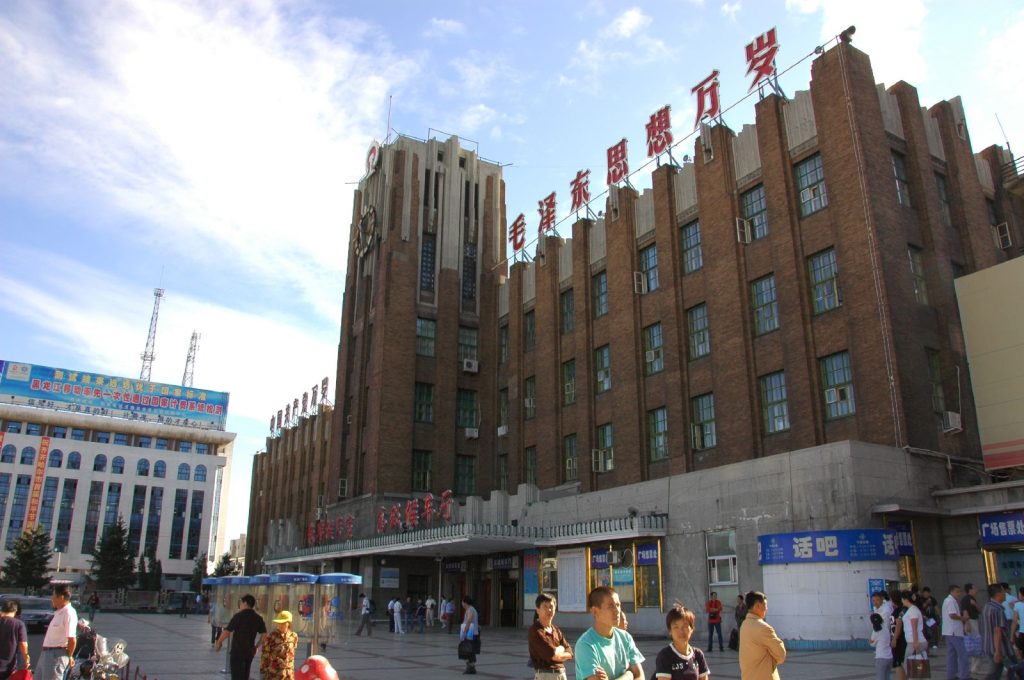
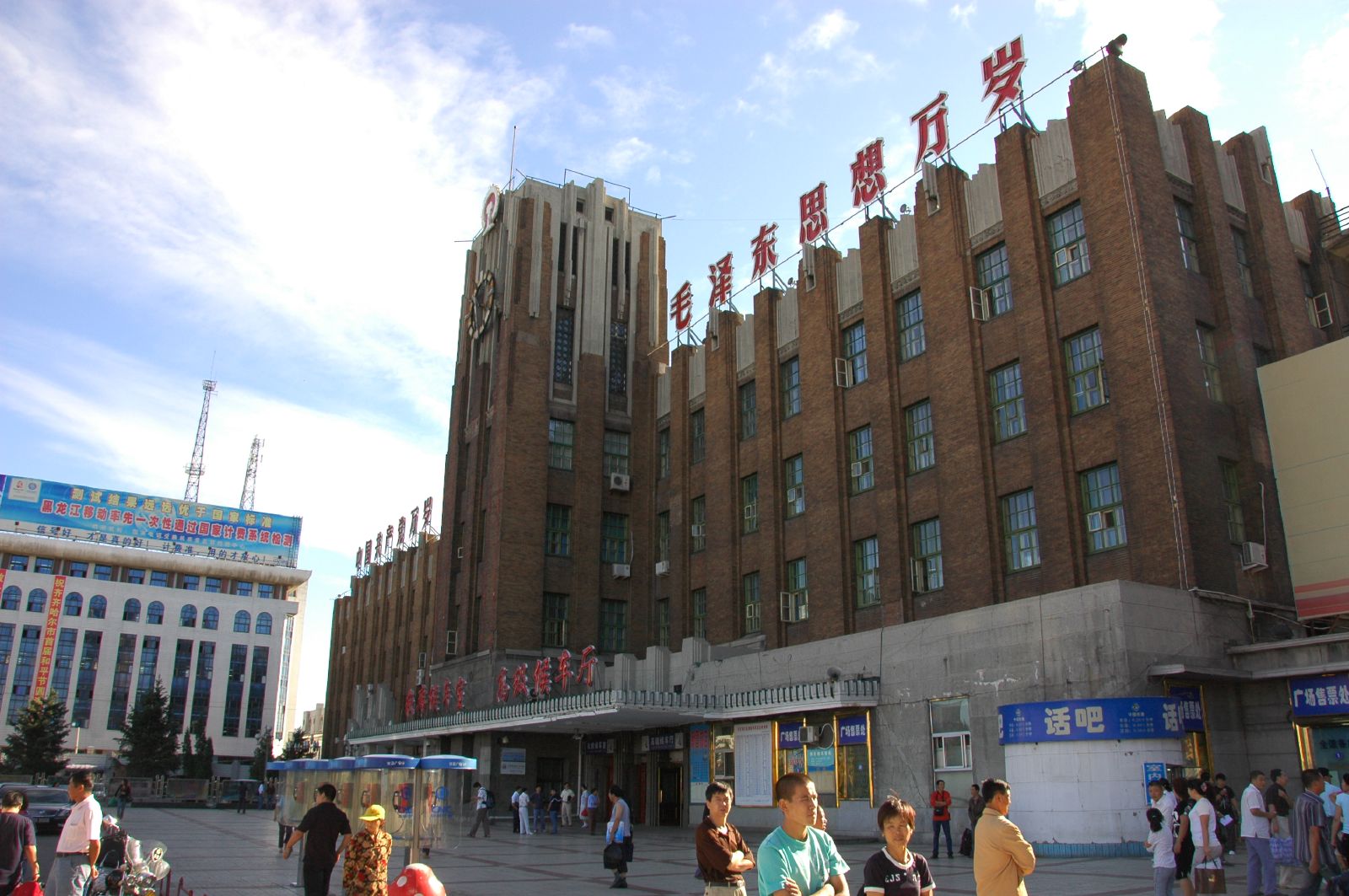
The platform at Qiqihar South Station smelled of coal smoke and steamed corn buns the first time I stepped off a high-speed train in late autumn. Frost already clung to the metal benches, and the breath of the crowd rose in white clouds above the ticket gates. I had come for the cranes, but the city itself — wide boulevards laid out on a Russian grid, red-brick warehouses from the railway era, and a river that freezes hard enough to drive trucks across — kept me longer than I planned.
Getting There and Moving Around
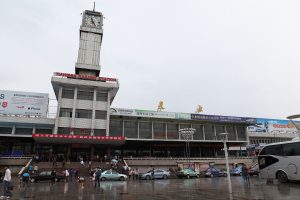
Flights land at Sanjiazi Airport, about twenty minutes south of the center by taxi. Direct routes exist from Beijing, Shanghai Pudong, and Qingdao, though winter schedules thin out after the first snow. The high-speed rail station, Qiqihar South, sits on the Harbin–Manzhouli line; a G-train from Beijing West takes six to seven hours, while the overnight Z and T services from the capital stretch to fourteen. If you are coming from Harbin, the bullet train covers the distance in ninety minutes. Local buses radiate from the square in front of the old station on Buqun Street — route 10 reaches Zhalong Nature Reserve in roughly forty minutes, but the last return bus leaves the reserve at 4:30 p.m. Taxis are plentiful and meters start around eight yuan; ride-hailing apps work reliably in the urban districts.
Zhalong Nature Reserve: The Crane Marsh
Zhalong lies thirty kilometers southeast of the city, a sprawl of reed beds and shallow lakes that freeze solid by the time the lunar calendar reaches the twelfth month. The reserve opens at 8 a.m. and the ticket booth closes at 4 p.m.; arrive before 9 a.m. if you want to catch the morning feeding of the red-crowned cranes. Wardens lead the birds from their winter pens to a designated meadow where they toss small fish — the cranes snap them mid-air, wings flashing against the grey sky. In spring, the same meadows fill with nesting pairs, and the boardwalk trails let you watch chicks take their first steps without disturbing the reeds.
- Best viewing windows: late March to early May for courtship dances; late October to early November for migration stopovers.
- Gear: windproof jacket, waterproof boots, binoculars (8×42 minimum), and a thermos — the visitor center sells instant coffee but nothing hot after 3 p.m.
Do not wander off the marked planks. The ground looks firm but conceals deep mud that can swallow a boot in seconds. I watched a photographer lose a tripod that way; the wardens shook their heads and said the marsh keeps what it takes.
City Streets and Old Railways
Longsha Park occupies the site of the original 1691 walled garrison. The south gate reconstruction stands beside a artificial lake where locals skate in winter and fly kites shaped like centipedes in spring. Walk north along Zhonghua Road and you pass the former Chinese Eastern Railway administration building — red brick, mansard roof, now a museum of railway ephemera: brass telegraph keys, a hand-cranked switch lamp, and a faded map showing the line stretching to Vladivostok. The adjacent alley sells roasted sweet potatoes from oil drums; the skin cracks like paper when you peel it.
Tiefeng District holds the Muslim quarter around the Great Mosque. The prayer hall dates to the Qianlong era, its timber frame joined without nails. Friday midday finds the courtyard full of men in white caps sharing hand-pulled noodles in clear beef broth. Visitors are welcome outside prayer times; remove shoes at the threshold and keep voices low. A block west, the night market on Xinghua Street wakes at dusk — skewers of lamb dusted with cumin, grilled corn brushed with chili oil, and bowls of sour cabbage stew simmering over charcoal.
What Arrives on the Table
Qiqihar cuisine leans heavy on preserved vegetables, fatty pork, and the grain alcohol that warms a belly at minus twenty. The signature dish is guo bao rou — pork tenderloin sliced thin, battered with potato starch, fried until the crust shatters, then tossed in a sauce of black vinegar, sugar, ginger, and garlic. Done right, the pieces stay crisp for ten minutes; done wrong, they sog into sweet mush. Another staple is tie guo dun, an iron-pot stew layered with pork ribs, vermicelli, frozen tofu, blood sausage, and pickled cabbage. The pot arrives bubbling; you ladle broth first, then fish out meat and noodles as they soften.
- Guo bao rou — home method: pork tenderloin (300 g), potato starch (60 g), egg white (1), black vinegar (30 ml), sugar (20 g), ginger (10 g, minced), garlic (10 g, minced), oil for deep frying. Slice pork against grain into 3 mm sheets. Marinate with pinch of salt and egg white for ten minutes. Coat each piece in starch, shake excess. Heat oil to 180 °C. Fry in small batches until golden, thirty seconds. Drain. Toss in hot wok with vinegar, sugar, ginger, garlic, splash of water. Serve immediately.
- Tie guo dun — restaurant ordering: ask for “large pot, extra vermicelli, less salt.” The kitchen will adjust the broth base. Add a side of steamed corn buns (wowo tou) to soak the liquid.
- Common beginner mistakes: ordering guo bao rou “not spicy” — the dish carries no chili; asking for rice with tie guo dun — the vermicelli and buns are the starch; drinking the baijiu neat before the first bite — sip it between mouthfuls to cut the fat.
Seasonal Rhythms and Local Expectations
Winter settles in by the ninth lunar month. The Nen River becomes a highway: ice roads marked by spruce branches connect villages on the opposite bank, and you will see sedan cars drifting across the frozen surface. Locals expect you to dress in layers — thermal underwear, wool sweater, down coat, windproof shell. Gloves must allow finger dexterity; mittens make it impossible to operate a phone or pay a vendor. If you are invited to a home meal, the host will refill your bowl before you finish. Leaving a few bites signals satisfaction; cleaning the bowl suggests you are still hungry and prompts another heaping.
Spring thaw arrives around the second lunar month. Meltwater turns the streets to slurry, and the city deploys orange-suited crews with high-pressure hoses to wash the salt residue from the curbs. This is when the morning market on Jiefang Road swells with wild herbs — fiddlehead ferns, shepherd’s purse, and the first garlic shoots. Vendors weigh them in stainless steel pans and quote prices per half-kilo. Buy a bundle, blanch thirty seconds, dress with sesame oil and vinegar: the taste of the season on a plate.
What Newcomers Get Wrong
Assuming the city shuts down after dark. The barbecue alleys, the bathhouse on Tiedong Street, and the all-night dumpling room near the railway hospital stay busy until dawn. Expecting English signage beyond the main hotels. Carry a photo of your destination written in Chinese characters; taxi drivers and bus conductors will nod and point. Bringing only a light jacket in the tenth lunar month. The wind off the Songnen Plain cuts through fleece like a blade. And skipping the bathhouse — the ritual soak, scrub, and cold plunge is where conversations happen, deals are made, and the chill finally leaves your bones.