Traveling to China with your family or partner requires careful digital planning. As you finalize your late 2026 itinerary, a common question arises: should you purchase one high-capacity eSIM and tether everyone to it, or get a separate data plan for every person? While sharing a single connection seems like an easy way to manage logistics, China’s heavy reliance on mobile payment apps and digital transit codes makes individual connectivity a necessity, not just a luxury. Here is a practical look at how to navigate the choice between a shared family hotspot and individual plans for your trip.
The Allure and Risks of a Single Family Connection
The concept of a shared connection is straightforward: one parent activates a large data package and turns on their personal hotspot for the partner and children. The primary benefit is centralized management—you only have to monitor one data balance and install one profile.
However, relying on a single smartphone to power a whole family introduces a significant single point of failure. If the primary phone gets lost, damaged, or simply runs out of battery, the entire family is instantly offline.
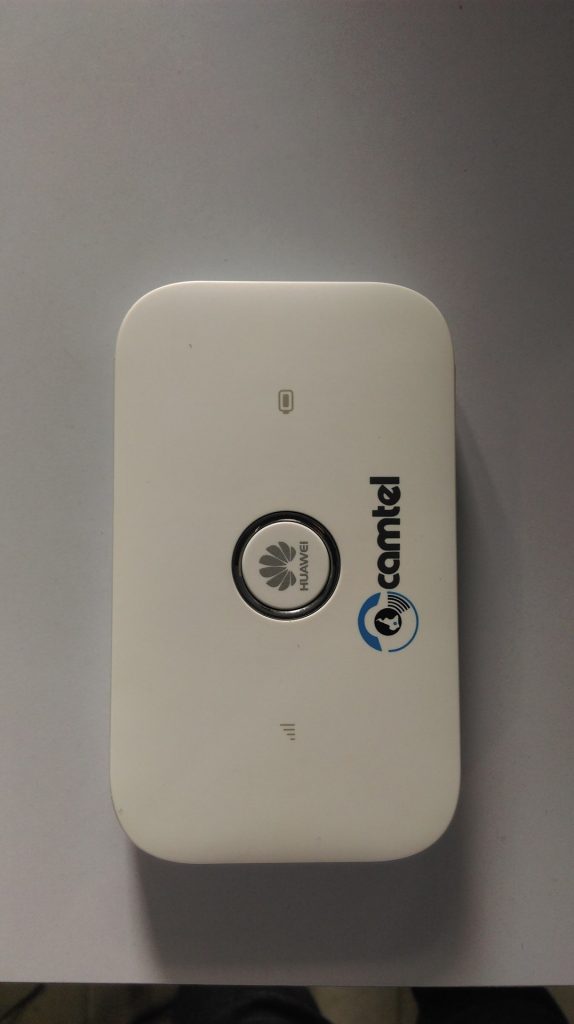
Battery drain is the most immediate threat to this setup. Broadcasting a Wi-Fi hotspot drains a smartphone’s lithium-ion battery rapidly. If you are traveling during November or December 2026, the cold winter weather in cities like Beijing or Harbin will deplete your phone’s battery even faster. When the primary phone dies, you do not just lose the internet; you lose your maps, your translation apps, and your primary method of paying for food and transport. While a dedicated device is an alternative, weighing pocket Wi-Fi vs eSIM means deciding if you want to manage and charge an extra piece of hardware every night.
Why Every Adult Needs Their Own Data Plan
In many travel destinations, it is perfectly fine for one partner to navigate while the other tags along offline. In China, independent connectivity for every adult is highly recommended. The ecosystem is almost entirely digital, and being offline severely limits your mobility.
First, mobile payments are ubiquitous. Alipay and WeChat Pay are required for almost everything, from upscale dining to buying a snack from a street vendor. If you and your partner split up—even just to use different public restrooms, grab coffees from different lines, or browse separate stores—the partner without mobile data cannot pay for anything.
Second, public transit relies on live data. Metro networks in massive hubs like Shanghai, Beijing, and Guangzhou heavily utilize QR codes generated dynamically within Alipay or WeChat mini-programs. Loading these codes requires an active internet connection right at the turnstile. Attempting to share a hotspot at a crowded, fast-moving subway gate is frustrating and can hold up the line.
Finally, if you accidentally get separated in a bustling market or a sprawling railway station, the unconnected adult cannot use maps to find the hotel or translation apps to ask for help. Always verify your specific app requirements, account setups, and regional network coverage near your travel week. If you are debating the best way to get both partners connected upon arrival, review our guide on eSIM vs physical SIM airport pickup to see which physical logistics suit your itinerary.
Managing Kids’ and Teens’ Devices
Whether your children need their own data depends heavily on their age, independence level, and your travel style.
Young children generally do not need independent data plans. They will not be making mobile payments or navigating alone. They can easily rely on downloaded offline entertainment or temporarily connect to a parent’s hotspot during long high-speed train rides (always book your official train tickets via 12306 or authorized agents).
Teenagers, however, present a different scenario. Older kids who might wander a few aisles over in a shopping mall, explore a museum exhibit at their own pace, or walk back to the hotel room alone should ideally have their own basic data access. A low-capacity eSIM ensures they can message you via WeChat, WhatsApp, or iMessage if you get separated. Before buying a massive package for a teenager, consider whether a basic domestic travel pass from your home carrier makes more sense by comparing roaming vs local SIM options for low-usage devices.
The Ideal Setup: A Hybrid Approach
Instead of an all-or-nothing approach, most traveling families benefit from a strategic, hybrid digital setup that balances cost and safety.
The primary navigator should carry a high-capacity eSIM. This person handles data-heavy tasks like live route planning, hailing rides via Didi, using camera-based live translation, and acting as an emergency hotspot for kids’ tablets on trains.
The secondary adult should carry a moderate, independent data plan. This ensures they can independently load metro QR codes, pay for their own purchases on Alipay, and navigate back to the hotel if the couple splits up.
Teenagers should be equipped with a minimal, messaging-only data plan just to ensure they can be reached at any time. This layered approach guarantees redundancy without forcing you to overspend on massive, unlimited data packages for every single family member.
Connectivity Checklist Before Your Trip
Assess Payment Readiness: Ensure both adults have their own independent Alipay or WeChat Pay accounts set up, verified with their home credit cards, and tested before landing.
Check Device Compatibility: Verify that all secondary phones, especially older devices handed down to teens, are carrier-unlocked and physically support eSIM profiles.
Plan for Power: Pack reliable, high-capacity power banks. Since hotspotting and navigating in November and December cold will drain batteries aggressively, keep power banks in an inner coat pocket to stay warm.
Verify Regulations: Always check the latest entry requirements, visa-free transit rules, and digital registration guidelines with official sources like the National Immigration Administration. Ecosystems evolve rapidly, so confirm all essential app functions and policies in the weeks just prior to your departure.
Related Lovely China reading
For payments, start with Alipay and WeChat Pay hub and WeChat Pay vs Alipay for tourists. For trains, keep high-speed rail first-timers guide and 12306 passport signup for foreigners handy. City hubs: Beijing first-visit guide, Shanghai first-visit guide. Connectivity: roaming vs local SIM honest guide, pocket Wi-Fi vs eSIM for China, offline maps for foreigners. Bookmark China travel tools page.
Practical checklist
- Confirm official rules on the relevant government, park, airline, or bank page near your travel week
- Screenshot bookings, tickets, and QR codes while you still have stable Wi-Fi
- Save hotel and attraction names in Chinese characters in your phone notes
- Carry passport, a backup payment method, and a small cash float (why cash is still needed)
- Test one small mobile payment before you rely on wallets at a gate or taxi
- Keep the China travel tools page page bookmarked for related Lovely China hubs
FAQ
Is this travel advice official?
No. Lovely China orients travellers. Verify live rules on official pages, apps, and counters near your travel week.
Will every city behave the same?
No. Airports, stations, parks, and markets differ. Use local signage and staff instructions when they conflict with a general guide.
What should I screenshot before I lose Wi-Fi?
Bookings, tickets, hotel Chinese address, pickup pins, and payment success screens.
Notes for late 2026 travellers
November and early December bring cooler mornings, earlier sunsets, and comfortable walking weather across much of eastern and central China. Pack layers and leave extra time on clear weekends at popular sights.
This article does not invent ticket prices, opening hours, processing times, consular fees, or official statistics. When a number matters, verify it on the official site, app screen, or ticket board near your travel week.
If an official rule page disagrees with this guide, follow the official page. Lovely China orients English-speaking travellers; we are not an immigration, banking, or medical authority.