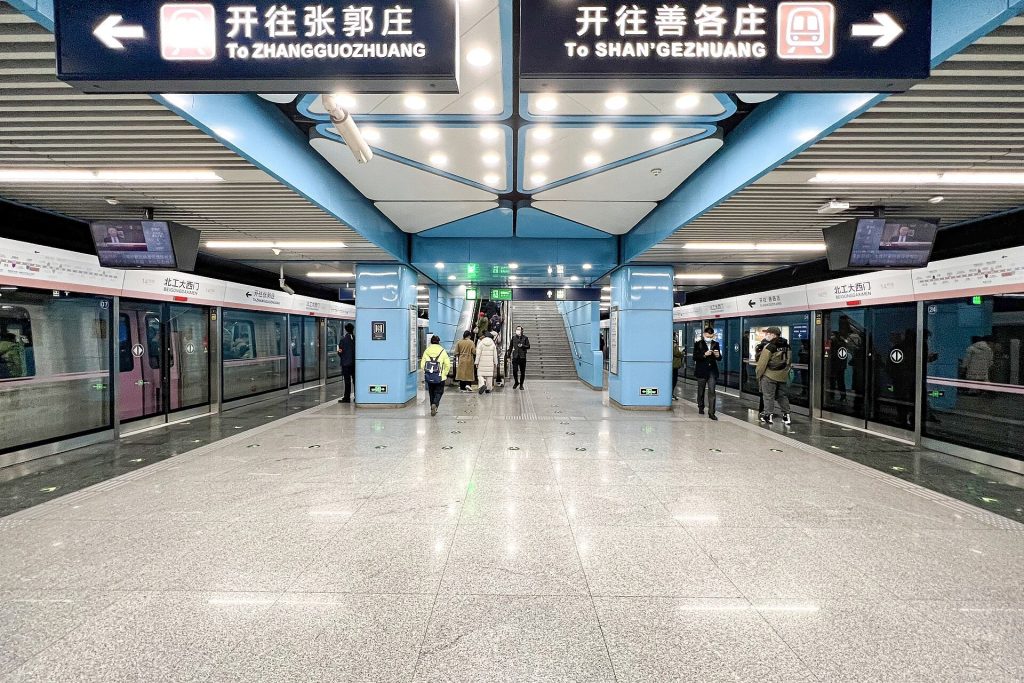
City metros and buses in China often prefer a live QR ride code over a magnetic souvenir token. For visitors, WeChat Pay is one of the common ways to open that code—if the city’s mini program accepts your wallet and your overseas card behaves at the gate. This guide covers the setup habit, the differences between cities, and the moment you should stop arguing with a beep and use a physical backup instead.
It is not a fee chart, not an AA-split explainer (WeChat Pay AA split bill), and not a red-packet tutorial (WeChat Pay red packets for foreigners). For binding a foreign card, start with bind overseas card to WeChat Pay. For the broader transit-card versus mobile-pay choice, keep tourist metro cards vs mobile pay and the Beijing-specific Beijing Yikatong vs ride codes nearby. Shanghai first-timers can pair this with Shanghai Metro first-timers.
There is rarely one national ride code
WeChat is a platform; city transit operators run their own mini programs. A code that opens Beijing gates will not reliably open Shanghai or Guangzhou gates. Search inside WeChat for the city’s metro ride code or “交通乘车码” plus the city name, or follow the pictogram posted beside the ticket machines—staff would rather point at a poster than debug your wallet in a rush-hour aisle.
Some cities also offer Alipay ride codes or official “metro” super-app entries. Use whichever product your wallets can actually complete. The brand on the gate sticker matters less than a green success animation when you scan.
Buses may use the same city ride code, a related bus code, or a separate scanner near the driver. Watch the person in front of you for a second if the signage is only in Chinese.
Opening the code without blocking the aisle
Do this before you reach the gate:
1. Unlock WeChat and open the city ride mini program you already tested.
2. Make sure the QR is live and refreshing—not a photo you saved yesterday.
3. Raise screen brightness.
4. Hold the code steady over the scanner; wait for the gate to unlock before you pocket the phone.
5. If you are travelling with others, each person usually needs their own valid code or ticket. One phone does not always tap through a group.
Do not screenshot a static QR and reuse it. Many systems refresh the code and will reject a picture. Do not turn the phone away the instant you hear a beep; a second beep or a red X may still be coming.
If the gate stays closed, step out of the paying aisle and use a staffed lane or ticket machine. Blocking the automatic aisle helps no one (queue etiquette foreigners).
Overseas wallets and the failed-gate problem
A WeChat wallet funded by an overseas card can fail at transit even when the same wallet bought lunch an hour earlier (WeChat Pay declined at metro gates, WeChat Pay merchant refuses overseas card, bind overseas card to WeChat Pay). Causes include merchant-category limits, an unpaid previous ride that needs to be settled, an expired authorization, or a mini program that never fully activated for foreign users.
When that happens:
- Read the on-screen message before you retry blindly
- Try settling any “unpaid trip” prompt on Wi-Fi or data, not while people queue behind you
- Switch to a stored-value transit card, a single-journey ticket from the machine, or a staff window (Beijing Yikatong vs ride codes, tourist metro cards vs mobile pay)
- Keep a small cash float for buses that still accept coins or paper notes in some cities (why cash is still needed)—but do not assume cash works on every modern bus
We do not invent city-by-city fares or foreigner surcharge tables. The machine and the mini program show the fare they will charge.
Beijing visitors comparing a physical Yikatong with ride codes should read Beijing Yikatong vs ride codes and Beijing subway first-timers. Shanghai visitors can add Shanghai Metro QR for foreigners. Guangzhou visitors should keep Guangzhou metro first-timers open for line names and first-timer pacing.
Buses, luggage, and first-night realism
Related Lovely China reading
For payments, start with Alipay and WeChat Pay hub and WeChat Pay vs Alipay for tourists. For trains, keep high-speed rail first-timers guide and 12306 passport signup for foreigners handy. City hubs: Beijing first-visit guide, Shanghai first-visit guide. Connectivity: roaming vs local SIM honest guide, pocket Wi-Fi vs eSIM for China, offline maps for foreigners. Bookmark China travel tools page.
Practical checklist
- Confirm official rules on the relevant government, park, airline, or bank page near your travel week
- Screenshot bookings, tickets, and QR codes while you still have stable Wi-Fi
- Save hotel and attraction names in Chinese characters in your phone notes
- Carry passport, a backup payment method, and a small cash float (why cash is still needed)
- Test one small mobile payment before you rely on wallets at a gate or taxi
- Keep the China travel tools page page bookmarked for related Lovely China hubs
FAQ
Is there one WeChat ride code for every Chinese city?
No. Many cities have their own metro or bus mini program. Open the one named for the city you are in; a Beijing code will not reliably open Shanghai gates.
Should I screenshot the QR and reuse it?
No. Ride codes usually refresh. Hold the live code at the scanner and keep the phone unlocked until the gate opens.
What should I screenshot before I lose Wi-Fi?
The mini-program name that worked, a transit-card or paper-ticket backup plan, and your hotel’s nearest station in Chinese.
Notes for late 2026 travellers
November and early December bring cooler mornings, earlier sunsets, and comfortable walking weather across much of eastern and central China. Pack layers and leave extra time on clear weekends at popular sights.
This article does not invent ticket prices, opening hours, processing times, consular fees, or official statistics. When a number matters, verify it on the official site, app screen, or ticket board near your travel week.
If an official rule page disagrees with this guide, follow the official page. Lovely China orients English-speaking travellers; we are not an immigration, banking, or medical authority.