Where to Sleep and Eat
River Drift and Cave Walks
Between hikes, the Jin River offers a flat‑water bamboo raft ride that departs from a dock near the Yang Yuan entrance. A pole‑man steers you past sheer cliffs where swifts nest in crevices, then through a short, low cave where the water echoes like a drum. The trip lasts twenty minutes and costs a modest cash fee—have small bills ready. If you prefer walking, the Riverside Boardwalk links the dock to the Zhang Lao Feng shuttle stop, passing a series of grottoes where locals burn incense at tiny shrines. It’s flat, shaded, and a good way to log steps without elevation gain.
Where to Sleep and Eat
Guesthouses cluster in the village between the two scenic zones, a five‑minute walk from the Yang Yuan gate. Rooms are simple: tiled floors, air‑conditioning, hot water, and a shared courtyard where the host dries chilies on bamboo mats. Book a place with a kitchen if you want to cook your own breakfast; otherwise, the village’s two family‑run restaurants serve the local staple—braised pork belly with preserved mustard greens, steamed river fish with fermented black beans, and stir‑fried bitter melon. Portions are generous; one dish plus rice feeds two light eaters. Arrive before seven in the evening or the best dishes sell out.
Ask the host to call a taxi for the morning shuttle; they know the drivers.
Carry cash—most village shops don’t take mobile pay.
Try the sweet potato noodles in clear broth; they’re a breakfast favorite.
Seasonal Rhythm and Common Missteps
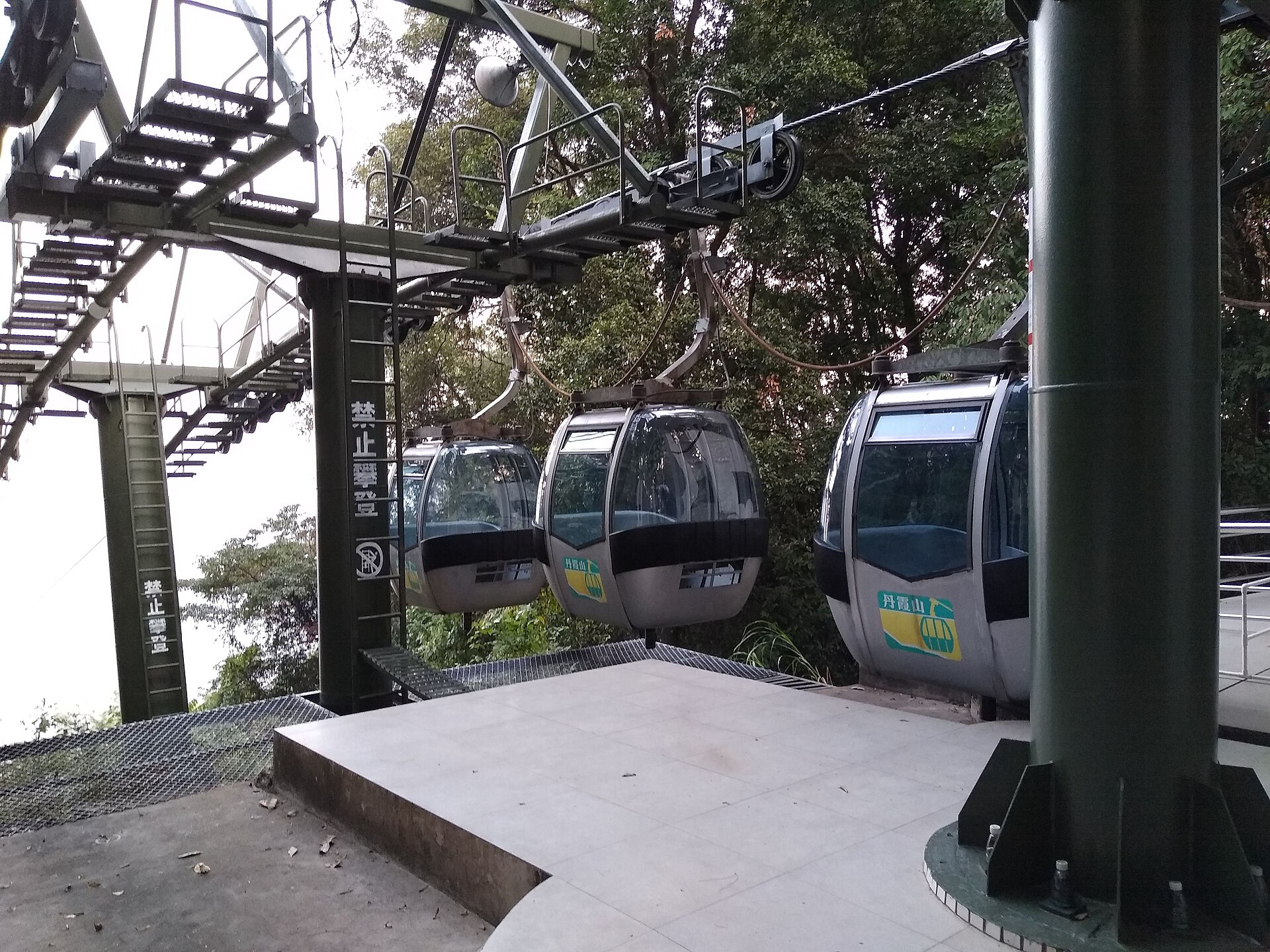
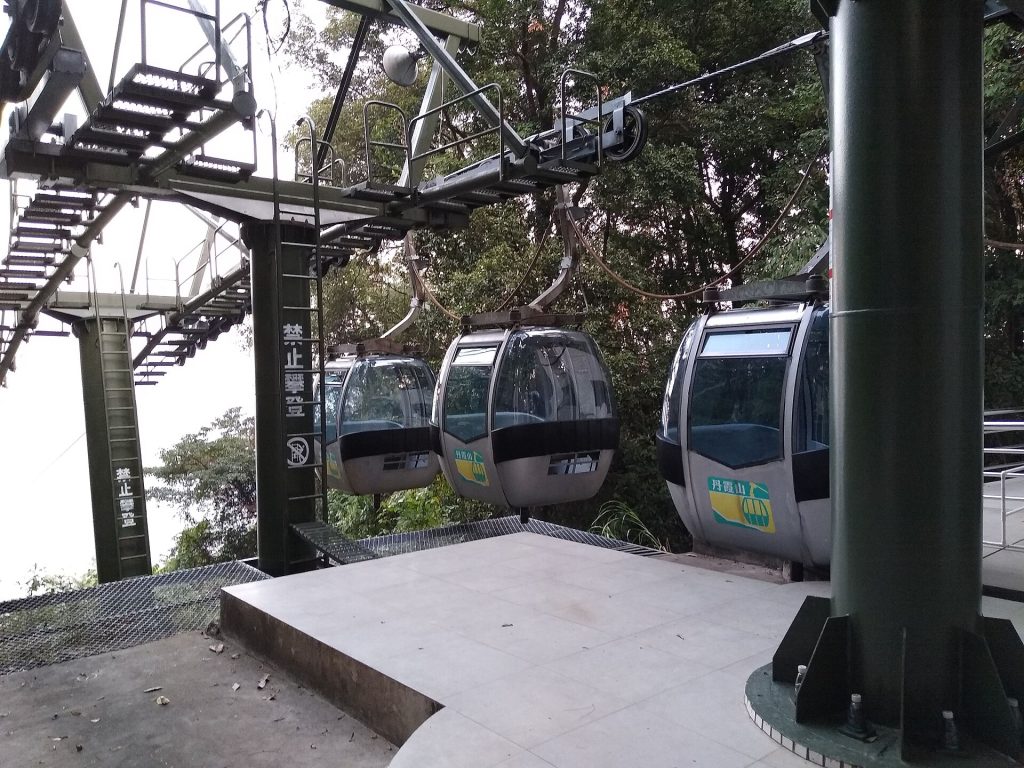
Spring brings azaleas blooming on the cliffs, but also weekend crowds from Guangzhou. Summer heat turns the stone radiators; start at dawn and retreat to the river by noon. Autumn, especially the weeks around the Mid‑Autumn Festival, delivers crisp air and the clearest views—this is the sweet spot. Winter is quiet, sometimes misty, and the cable cars may pause for maintenance. Newcomers often underestimate the vertical gain: the “easy” loops still involve hundreds of uneven stone steps. Others forget that the park shuttles stop running before the last light, leaving a long walk back to the village if you linger on the ridge. Pack a small first‑aid kit, a power bank, and a printed copy of your return train time. With those in hand, the red mountains feel less like a destination and more like a rhythm you step into.
Zhang Lao Feng: The Big Sky Day
Zhang Lao Feng rewards early risers. Catch the first park shuttle from the central hub and begin the ascent up the Hundred‑Step Ladder, a stone staircase that climbs through a crack in the cliff face. At the top, the trail fans out along a razorback ridge with sheer drops on both sides. The panoramic platform at the summit offers a 360‑degree sweep of red domes rolling toward the horizon—on a clear autumn morning you can see the Jin River threading the valley floor. Descend via the Cloud Gate Cave, a tunnel carved by wind and water that exits onto a hidden bamboo grove. The full circuit takes five to six hours; carry a packed lunch because the only food stall sits near the cable‑car base, two hours from the ridge.
Start no later than 8:30 am to finish before the last shuttle.
Trekking poles help on the knee‑pounding descents.
Pack a wind‑proof layer; the ridge catches gusts even in summer.
River Drift and Cave Walks
Between hikes, the Jin River offers a flat‑water bamboo raft ride that departs from a dock near the Yang Yuan entrance. A pole‑man steers you past sheer cliffs where swifts nest in crevices, then through a short, low cave where the water echoes like a drum. The trip lasts twenty minutes and costs a modest cash fee—have small bills ready. If you prefer walking, the Riverside Boardwalk links the dock to the Zhang Lao Feng shuttle stop, passing a series of grottoes where locals burn incense at tiny shrines. It’s flat, shaded, and a good way to log steps without elevation gain.
Where to Sleep and Eat
Guesthouses cluster in the village between the two scenic zones, a five‑minute walk from the Yang Yuan gate. Rooms are simple: tiled floors, air‑conditioning, hot water, and a shared courtyard where the host dries chilies on bamboo mats. Book a place with a kitchen if you want to cook your own breakfast; otherwise, the village’s two family‑run restaurants serve the local staple—braised pork belly with preserved mustard greens, steamed river fish with fermented black beans, and stir‑fried bitter melon. Portions are generous; one dish plus rice feeds two light eaters. Arrive before seven in the evening or the best dishes sell out.
Ask the host to call a taxi for the morning shuttle; they know the drivers.
Carry cash—most village shops don’t take mobile pay.
Try the sweet potato noodles in clear broth; they’re a breakfast favorite.
Seasonal Rhythm and Common Missteps
Spring brings azaleas blooming on the cliffs, but also weekend crowds from Guangzhou. Summer heat turns the stone radiators; start at dawn and retreat to the river by noon. Autumn, especially the weeks around the Mid‑Autumn Festival, delivers crisp air and the clearest views—this is the sweet spot. Winter is quiet, sometimes misty, and the cable cars may pause for maintenance. Newcomers often underestimate the vertical gain: the “easy” loops still involve hundreds of uneven stone steps. Others forget that the park shuttles stop running before the last light, leaving a long walk back to the village if you linger on the ridge. Pack a small first‑aid kit, a power bank, and a printed copy of your return train time. With those in hand, the red mountains feel less like a destination and more like a rhythm you step into.
Yang Yuan Shi: The Compact Classic
Start at the Yang Yuan cable‑car lower station if your knees protest at stairs; otherwise, walk the stone‑step path that climbs beside a boulder‑strewn stream. The signature viewpoint sits on a wooden platform facing the Male Stone—arrive before ten in the morning to catch direct light on the red sandstone. From there, follow the ridge trail toward the Elephant Trunk Rock formation; the path narrows to a single file ledge with a chain handrail. It looks scarier than it feels, but wear shoes with grip. The loop returns via the Yin Yuan Stone, the female counterpart, where couples pause for photos beneath a natural arch. Allow three hours at a relaxed pace, longer if you stop for tea at the cliff‑side pavilion.
Cable‑car up, hike down saves the most energy.
Bring a headlamp if you linger past the last shuttle; the descent in darkness is steep.
Water and snacks: only one small kiosk near the cable‑car top station.
Zhang Lao Feng: The Big Sky Day
Zhang Lao Feng rewards early risers. Catch the first park shuttle from the central hub and begin the ascent up the Hundred‑Step Ladder, a stone staircase that climbs through a crack in the cliff face. At the top, the trail fans out along a razorback ridge with sheer drops on both sides. The panoramic platform at the summit offers a 360‑degree sweep of red domes rolling toward the horizon—on a clear autumn morning you can see the Jin River threading the valley floor. Descend via the Cloud Gate Cave, a tunnel carved by wind and water that exits onto a hidden bamboo grove. The full circuit takes five to six hours; carry a packed lunch because the only food stall sits near the cable‑car base, two hours from the ridge.
Start no later than 8:30 am to finish before the last shuttle.
Trekking poles help on the knee‑pounding descents.
Pack a wind‑proof layer; the ridge catches gusts even in summer.
River Drift and Cave Walks
Between hikes, the Jin River offers a flat‑water bamboo raft ride that departs from a dock near the Yang Yuan entrance. A pole‑man steers you past sheer cliffs where swifts nest in crevices, then through a short, low cave where the water echoes like a drum. The trip lasts twenty minutes and costs a modest cash fee—have small bills ready. If you prefer walking, the Riverside Boardwalk links the dock to the Zhang Lao Feng shuttle stop, passing a series of grottoes where locals burn incense at tiny shrines. It’s flat, shaded, and a good way to log steps without elevation gain.
Where to Sleep and Eat
Guesthouses cluster in the village between the two scenic zones, a five‑minute walk from the Yang Yuan gate. Rooms are simple: tiled floors, air‑conditioning, hot water, and a shared courtyard where the host dries chilies on bamboo mats. Book a place with a kitchen if you want to cook your own breakfast; otherwise, the village’s two family‑run restaurants serve the local staple—braised pork belly with preserved mustard greens, steamed river fish with fermented black beans, and stir‑fried bitter melon. Portions are generous; one dish plus rice feeds two light eaters. Arrive before seven in the evening or the best dishes sell out.
Ask the host to call a taxi for the morning shuttle; they know the drivers.
Carry cash—most village shops don’t take mobile pay.
Try the sweet potato noodles in clear broth; they’re a breakfast favorite.
Seasonal Rhythm and Common Missteps
Spring brings azaleas blooming on the cliffs, but also weekend crowds from Guangzhou. Summer heat turns the stone radiators; start at dawn and retreat to the river by noon. Autumn, especially the weeks around the Mid‑Autumn Festival, delivers crisp air and the clearest views—this is the sweet spot. Winter is quiet, sometimes misty, and the cable cars may pause for maintenance. Newcomers often underestimate the vertical gain: the “easy” loops still involve hundreds of uneven stone steps. Others forget that the park shuttles stop running before the last light, leaving a long walk back to the village if you linger on the ridge. Pack a small first‑aid kit, a power bank, and a printed copy of your return train time. With those in hand, the red mountains feel less like a destination and more like a rhythm you step into.
Choosing Your Scenic Area
The park splits into two distinct zones. Yang Yuan Shi, the Male Stone area, draws the crowds with its infamous phallic pinnacle and a cluster of shorter loops that can be covered in half a day. Zhang Lao Feng, the Elder Peak zone, sprawls farther west; its trails are longer, steeper, and far quieter. If you have only a single daylight window, pick one. Two days lets you do both without rushing. The free park shuttle links the two zones every twenty minutes, but the ride itself takes twenty minutes each way, so factor that into your hiking clock.
Yang Yuan Shi: The Compact Classic
Start at the Yang Yuan cable‑car lower station if your knees protest at stairs; otherwise, walk the stone‑step path that climbs beside a boulder‑strewn stream. The signature viewpoint sits on a wooden platform facing the Male Stone—arrive before ten in the morning to catch direct light on the red sandstone. From there, follow the ridge trail toward the Elephant Trunk Rock formation; the path narrows to a single file ledge with a chain handrail. It looks scarier than it feels, but wear shoes with grip. The loop returns via the Yin Yuan Stone, the female counterpart, where couples pause for photos beneath a natural arch. Allow three hours at a relaxed pace, longer if you stop for tea at the cliff‑side pavilion.
Cable‑car up, hike down saves the most energy.
Bring a headlamp if you linger past the last shuttle; the descent in darkness is steep.
Water and snacks: only one small kiosk near the cable‑car top station.
Zhang Lao Feng: The Big Sky Day
Zhang Lao Feng rewards early risers. Catch the first park shuttle from the central hub and begin the ascent up the Hundred‑Step Ladder, a stone staircase that climbs through a crack in the cliff face. At the top, the trail fans out along a razorback ridge with sheer drops on both sides. The panoramic platform at the summit offers a 360‑degree sweep of red domes rolling toward the horizon—on a clear autumn morning you can see the Jin River threading the valley floor. Descend via the Cloud Gate Cave, a tunnel carved by wind and water that exits onto a hidden bamboo grove. The full circuit takes five to six hours; carry a packed lunch because the only food stall sits near the cable‑car base, two hours from the ridge.
Start no later than 8:30 am to finish before the last shuttle.
Trekking poles help on the knee‑pounding descents.
Pack a wind‑proof layer; the ridge catches gusts even in summer.
River Drift and Cave Walks
Between hikes, the Jin River offers a flat‑water bamboo raft ride that departs from a dock near the Yang Yuan entrance. A pole‑man steers you past sheer cliffs where swifts nest in crevices, then through a short, low cave where the water echoes like a drum. The trip lasts twenty minutes and costs a modest cash fee—have small bills ready. If you prefer walking, the Riverside Boardwalk links the dock to the Zhang Lao Feng shuttle stop, passing a series of grottoes where locals burn incense at tiny shrines. It’s flat, shaded, and a good way to log steps without elevation gain.
Where to Sleep and Eat
Guesthouses cluster in the village between the two scenic zones, a five‑minute walk from the Yang Yuan gate. Rooms are simple: tiled floors, air‑conditioning, hot water, and a shared courtyard where the host dries chilies on bamboo mats. Book a place with a kitchen if you want to cook your own breakfast; otherwise, the village’s two family‑run restaurants serve the local staple—braised pork belly with preserved mustard greens, steamed river fish with fermented black beans, and stir‑fried bitter melon. Portions are generous; one dish plus rice feeds two light eaters. Arrive before seven in the evening or the best dishes sell out.
Ask the host to call a taxi for the morning shuttle; they know the drivers.
Carry cash—most village shops don’t take mobile pay.
Try the sweet potato noodles in clear broth; they’re a breakfast favorite.
Seasonal Rhythm and Common Missteps
Spring brings azaleas blooming on the cliffs, but also weekend crowds from Guangzhou. Summer heat turns the stone radiators; start at dawn and retreat to the river by noon. Autumn, especially the weeks around the Mid‑Autumn Festival, delivers crisp air and the clearest views—this is the sweet spot. Winter is quiet, sometimes misty, and the cable cars may pause for maintenance. Newcomers often underestimate the vertical gain: the “easy” loops still involve hundreds of uneven stone steps. Others forget that the park shuttles stop running before the last light, leaving a long walk back to the village if you linger on the ridge. Pack a small first‑aid kit, a power bank, and a printed copy of your return train time. With those in hand, the red mountains feel less like a destination and more like a rhythm you step into.
Getting There and First Steps
Most travelers arrive by high-speed rail at Shaoguan Station, then catch a direct shuttle bus from the station forecourt to the park’s main entrance. The ride takes about forty minutes, winding through lychee orchards and villages where roosters wander the shoulders. Buses run frequently from early morning until late afternoon, but the last return trip leaves the gate well before sunset, so confirm the timetable when you buy your entry ticket. If you prefer a taxi, negotiate a flat fare before you climb in; meters are rare on this route.
Take a high-speed train to Shaoguan Station (not Shaoguan East).
Exit the station and follow signs for the Danxiashan tourist shuttle.
Buy a park entry ticket at the gate; keep the stub for re‑entry if you leave for lunch.
Grab a paper map at the visitor kiosk—phone signal drops inside the deeper valleys.
Choosing Your Scenic Area
The park splits into two distinct zones. Yang Yuan Shi, the Male Stone area, draws the crowds with its infamous phallic pinnacle and a cluster of shorter loops that can be covered in half a day. Zhang Lao Feng, the Elder Peak zone, sprawls farther west; its trails are longer, steeper, and far quieter. If you have only a single daylight window, pick one. Two days lets you do both without rushing. The free park shuttle links the two zones every twenty minutes, but the ride itself takes twenty minutes each way, so factor that into your hiking clock.
Yang Yuan Shi: The Compact Classic
Start at the Yang Yuan cable‑car lower station if your knees protest at stairs; otherwise, walk the stone‑step path that climbs beside a boulder‑strewn stream. The signature viewpoint sits on a wooden platform facing the Male Stone—arrive before ten in the morning to catch direct light on the red sandstone. From there, follow the ridge trail toward the Elephant Trunk Rock formation; the path narrows to a single file ledge with a chain handrail. It looks scarier than it feels, but wear shoes with grip. The loop returns via the Yin Yuan Stone, the female counterpart, where couples pause for photos beneath a natural arch. Allow three hours at a relaxed pace, longer if you stop for tea at the cliff‑side pavilion.
Cable‑car up, hike down saves the most energy.
Bring a headlamp if you linger past the last shuttle; the descent in darkness is steep.
Water and snacks: only one small kiosk near the cable‑car top station.
Zhang Lao Feng: The Big Sky Day
Zhang Lao Feng rewards early risers. Catch the first park shuttle from the central hub and begin the ascent up the Hundred‑Step Ladder, a stone staircase that climbs through a crack in the cliff face. At the top, the trail fans out along a razorback ridge with sheer drops on both sides. The panoramic platform at the summit offers a 360‑degree sweep of red domes rolling toward the horizon—on a clear autumn morning you can see the Jin River threading the valley floor. Descend via the Cloud Gate Cave, a tunnel carved by wind and water that exits onto a hidden bamboo grove. The full circuit takes five to six hours; carry a packed lunch because the only food stall sits near the cable‑car base, two hours from the ridge.
Start no later than 8:30 am to finish before the last shuttle.
Trekking poles help on the knee‑pounding descents.
Pack a wind‑proof layer; the ridge catches gusts even in summer.
River Drift and Cave Walks
Between hikes, the Jin River offers a flat‑water bamboo raft ride that departs from a dock near the Yang Yuan entrance. A pole‑man steers you past sheer cliffs where swifts nest in crevices, then through a short, low cave where the water echoes like a drum. The trip lasts twenty minutes and costs a modest cash fee—have small bills ready. If you prefer walking, the Riverside Boardwalk links the dock to the Zhang Lao Feng shuttle stop, passing a series of grottoes where locals burn incense at tiny shrines. It’s flat, shaded, and a good way to log steps without elevation gain.
Where to Sleep and Eat
Guesthouses cluster in the village between the two scenic zones, a five‑minute walk from the Yang Yuan gate. Rooms are simple: tiled floors, air‑conditioning, hot water, and a shared courtyard where the host dries chilies on bamboo mats. Book a place with a kitchen if you want to cook your own breakfast; otherwise, the village’s two family‑run restaurants serve the local staple—braised pork belly with preserved mustard greens, steamed river fish with fermented black beans, and stir‑fried bitter melon. Portions are generous; one dish plus rice feeds two light eaters. Arrive before seven in the evening or the best dishes sell out.
Ask the host to call a taxi for the morning shuttle; they know the drivers.
Carry cash—most village shops don’t take mobile pay.
Try the sweet potato noodles in clear broth; they’re a breakfast favorite.
Seasonal Rhythm and Common Missteps
Spring brings azaleas blooming on the cliffs, but also weekend crowds from Guangzhou. Summer heat turns the stone radiators; start at dawn and retreat to the river by noon. Autumn, especially the weeks around the Mid‑Autumn Festival, delivers crisp air and the clearest views—this is the sweet spot. Winter is quiet, sometimes misty, and the cable cars may pause for maintenance. Newcomers often underestimate the vertical gain: the “easy” loops still involve hundreds of uneven stone steps. Others forget that the park shuttles stop running before the last light, leaving a long walk back to the village if you linger on the ridge. Pack a small first‑aid kit, a power bank, and a printed copy of your return train time. With those in hand, the red mountains feel less like a destination and more like a rhythm you step into.
The minibus shudders to a halt on a dusty shoulder just past the ticket gate, and the driver waves everyone toward a narrow footpath that disappears into a wall of bamboo. Morning mist clings to the red cliffs above, turning the rock faces a bruised purple. A vendor at the trailhead peels pomelos with practiced thumbs, stacking the translucent segments in a plastic bowl. That first breath of cool, damp air—mixed with wet stone and citrus—is the moment the city finally falls away.
Getting There and First Steps
Most travelers arrive by high-speed rail at Shaoguan Station, then catch a direct shuttle bus from the station forecourt to the park’s main entrance. The ride takes about forty minutes, winding through lychee orchards and villages where roosters wander the shoulders. Buses run frequently from early morning until late afternoon, but the last return trip leaves the gate well before sunset, so confirm the timetable when you buy your entry ticket. If you prefer a taxi, negotiate a flat fare before you climb in; meters are rare on this route.
Take a high-speed train to Shaoguan Station (not Shaoguan East).
Exit the station and follow signs for the Danxiashan tourist shuttle.
Buy a park entry ticket at the gate; keep the stub for re‑entry if you leave for lunch.
Grab a paper map at the visitor kiosk—phone signal drops inside the deeper valleys.
Choosing Your Scenic Area
The park splits into two distinct zones. Yang Yuan Shi, the Male Stone area, draws the crowds with its infamous phallic pinnacle and a cluster of shorter loops that can be covered in half a day. Zhang Lao Feng, the Elder Peak zone, sprawls farther west; its trails are longer, steeper, and far quieter. If you have only a single daylight window, pick one. Two days lets you do both without rushing. The free park shuttle links the two zones every twenty minutes, but the ride itself takes twenty minutes each way, so factor that into your hiking clock.
Yang Yuan Shi: The Compact Classic
Start at the Yang Yuan cable‑car lower station if your knees protest at stairs; otherwise, walk the stone‑step path that climbs beside a boulder‑strewn stream. The signature viewpoint sits on a wooden platform facing the Male Stone—arrive before ten in the morning to catch direct light on the red sandstone. From there, follow the ridge trail toward the Elephant Trunk Rock formation; the path narrows to a single file ledge with a chain handrail. It looks scarier than it feels, but wear shoes with grip. The loop returns via the Yin Yuan Stone, the female counterpart, where couples pause for photos beneath a natural arch. Allow three hours at a relaxed pace, longer if you stop for tea at the cliff‑side pavilion.
Cable‑car up, hike down saves the most energy.
Bring a headlamp if you linger past the last shuttle; the descent in darkness is steep.
Water and snacks: only one small kiosk near the cable‑car top station.
Zhang Lao Feng: The Big Sky Day
Zhang Lao Feng rewards early risers. Catch the first park shuttle from the central hub and begin the ascent up the Hundred‑Step Ladder, a stone staircase that climbs through a crack in the cliff face. At the top, the trail fans out along a razorback ridge with sheer drops on both sides. The panoramic platform at the summit offers a 360‑degree sweep of red domes rolling toward the horizon—on a clear autumn morning you can see the Jin River threading the valley floor. Descend via the Cloud Gate Cave, a tunnel carved by wind and water that exits onto a hidden bamboo grove. The full circuit takes five to six hours; carry a packed lunch because the only food stall sits near the cable‑car base, two hours from the ridge.
Start no later than 8:30 am to finish before the last shuttle.
Trekking poles help on the knee‑pounding descents.
Pack a wind‑proof layer; the ridge catches gusts even in summer.
River Drift and Cave Walks
Between hikes, the Jin River offers a flat‑water bamboo raft ride that departs from a dock near the Yang Yuan entrance. A pole‑man steers you past sheer cliffs where swifts nest in crevices, then through a short, low cave where the water echoes like a drum. The trip lasts twenty minutes and costs a modest cash fee—have small bills ready. If you prefer walking, the Riverside Boardwalk links the dock to the Zhang Lao Feng shuttle stop, passing a series of grottoes where locals burn incense at tiny shrines. It’s flat, shaded, and a good way to log steps without elevation gain.
Where to Sleep and Eat
Guesthouses cluster in the village between the two scenic zones, a five‑minute walk from the Yang Yuan gate. Rooms are simple: tiled floors, air‑conditioning, hot water, and a shared courtyard where the host dries chilies on bamboo mats. Book a place with a kitchen if you want to cook your own breakfast; otherwise, the village’s two family‑run restaurants serve the local staple—braised pork belly with preserved mustard greens, steamed river fish with fermented black beans, and stir‑fried bitter melon. Portions are generous; one dish plus rice feeds two light eaters. Arrive before seven in the evening or the best dishes sell out.
Ask the host to call a taxi for the morning shuttle; they know the drivers.
Carry cash—most village shops don’t take mobile pay.
Try the sweet potato noodles in clear broth; they’re a breakfast favorite.
Seasonal Rhythm and Common Missteps
Spring brings azaleas blooming on the cliffs, but also weekend crowds from Guangzhou. Summer heat turns the stone radiators; start at dawn and retreat to the river by noon. Autumn, especially the weeks around the Mid‑Autumn Festival, delivers crisp air and the clearest views—this is the sweet spot. Winter is quiet, sometimes misty, and the cable cars may pause for maintenance. Newcomers often underestimate the vertical gain: the “easy” loops still involve hundreds of uneven stone steps. Others forget that the park shuttles stop running before the last light, leaving a long walk back to the village if you linger on the ridge. Pack a small first‑aid kit, a power bank, and a printed copy of your return train time. With those in hand, the red mountains feel less like a destination and more like a rhythm you step into.