
The minibus rattles past a row of drying squid, the smell sharp and salty through the open window. Outside, the South China Sea flashes turquoise between gaps in the casuarina trees. We are heading west on the coastal road toward Basuo, the town that carries the name Dongfang on the map but answers to its own rhythm. No tour groups queue for photos here. Just fishermen hauling nets onto the sand at first light and old men playing xiangqi under a banyan canopy while the tide rolls in.
Getting There Without the Hassle
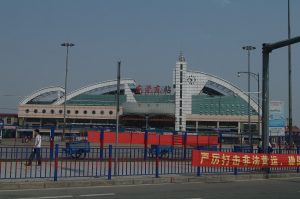
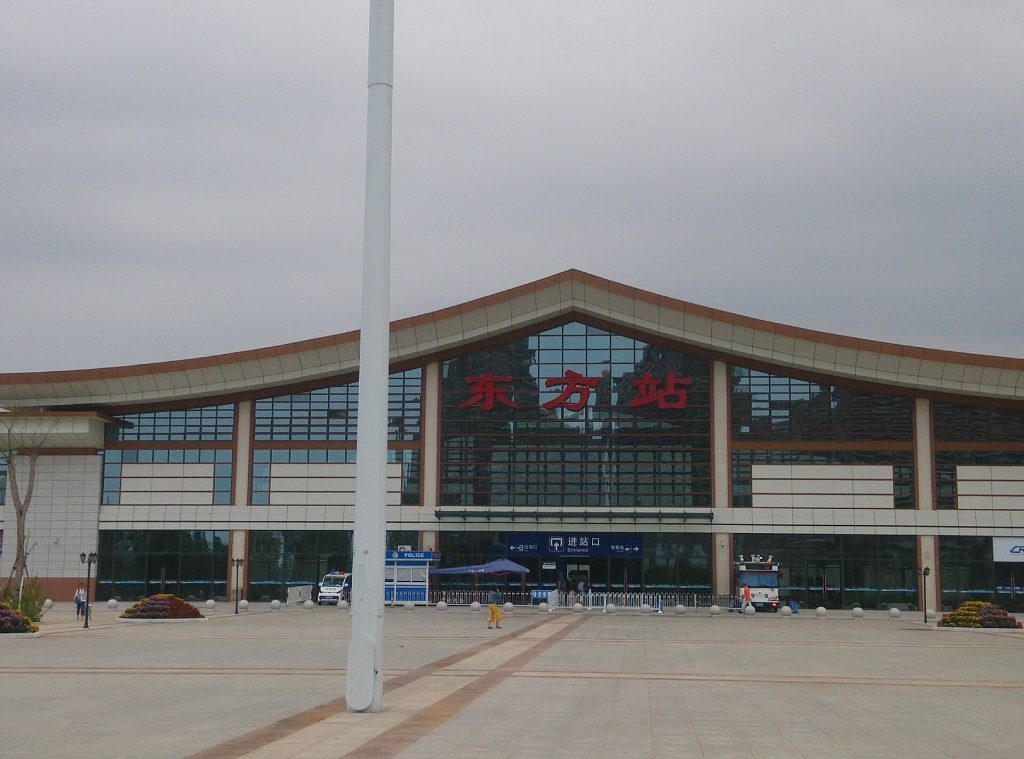
The high-speed rail line hugs the island’s western flank, making Dongfang Railway Station the easiest gateway. Trains slide in from Haikou in about ninety minutes and from Sanya in just over an hour. If you are coming from the mainland, the same carriage you board in Guangzhou or Beijing rolls onto a ferry at Haikou’s Xiuying Port, crosses the Qiongzhou Strait overnight, and clanks back onto tracks at the other side. You wake up in Hainan without unpacking a bag. Buses run frequently from the station forecourt to the coastal towns, but the local minibuses — numbered 2, 5, 9, 15, 16, 18, 19 — are cheaper and run later. Flag one down on Jiefang East Road; the driver will shout the destination, you nod, and you’re moving.
Where to Sleep: Sea Wind or City Lights
Basuo splits neatly in two. Stay near the old harbor if you want the crackle of diesel engines at dawn and a five-minute walk to the morning fish market. Guesthouses here are basic — tiled floors, air-conditioning that rattles, windows framing masts and buoys. Move a few kilometers east toward the new development zone and you find chain hotels with elevators, breakfast buffets, and soundproof glass. Both areas have 24-hour convenience stores and noodle shops that never close. In the off season, which runs from the end of the tenth lunar month through the third, you can walk into almost any place and name your price. During the Dragon Boat Festival or the Mid-Autumn holiday, book a week ahead or you’ll be sleeping in the station waiting room.
Two Days on the Ground
Start early. Rent an electric scooter from a shop near the railway station — fifty yuan a day, helmet included, no license check if you look confident. Ride west on the coastal highway toward Changjiang. The road climbs low hills where wind turbines spin above plantations of rubber and betel nut. Stop at the viewpoint above Baimajing Bay: the water turns a flat jade green, and you can see the outline of the naval base on the far headland. Turn around at the lighthouse, then cut inland to the Basuo Fish Market before the crowds thin. By nine the best coral grouper and mantis shrimp are gone.
Afternoon belongs to the salt flats at Yelin. The evaporation ponds stretch in geometric rectangles, white as bone against the red soil. Workers in conical hats rake crystals into mounds; the air tastes of brine and sun. Walk the narrow dikes between ponds — no ticket, no guard — but watch your step. The crust cracks underfoot, and the mud beneath swallows sandals. Sunset paints the piles pink. That’s the moment to pull out a thermos of jasmine tea and sit on a salt sack until the mosquitoes find you.
Day two: head east to the Datian Nature Reserve. The road narrows, winding through limestone karst where macaques sit on guardrails. The reserve protects the Hainan eld’s deer, a species that exists nowhere else. Rangers at the gate hand out a photocopied map and point to the viewing platform. You may not see a deer — they feed at dusk — but the forest smells of damp earth and wild ginger, and the silence is broken only by cicadas. Pack lunch; the only food inside is a vendor selling warm coconut water and vacuum-packed spicy tofu at the entrance.
Eating Like a Local
Dongfang cuisine leans hard on the sea. The signature dish is qingbu liang, a cold dessert soup that arrives in a glass bowl layered with coconut milk, mung beans, job’s tears, taro, and a spoonful of sweet potato starch jelly. It looks like a pastel geology sample. Stir it slowly; the textures should stay distinct — chewy, creamy, slippery. Order it at any streetside stall after a plate of steamed razor clams with garlic and fermented black bean. The clams open like flowers; dip the meat in the broth at the bottom of the shell.
- Razor clams — alive, shells closed tight
- Garlic — smashed, not minced
- Fermented black beans — rinsed once
- Ginger — julienned
- Scallion — cut into inch lengths
- Soy sauce, rice wine, pinch of sugar
Steam over high heat for six minutes. Discard any that stay shut. Pour the cooking liquor over the opened shells and scatter the scallion. Eat with your fingers, sucking the juice before the shell cools.
For breakfast, find the stall with the longest line of delivery drivers. They order fenpi — wide rice noodles blanched ten seconds, tossed in peanut sauce, chili oil, pickled yardlong beans, and crushed peanuts. The sauce should cling, not pool. If the vendor pre-mixes the bowl in a plastic tub, walk away. You want it assembled to order, the noodles still steaming.
What Trips Up Newcomers
First, the sun. The UV index here hits eleven by ten in the morning, even when clouds stack on the horizon. Locals wear long sleeves, wide brims, and gloves on scooters. Copy them or your shoulders will blister before lunch. Second, the language. Mandarin works in hotels and stations, but in the market or on a minibus you’ll hear Hainanese — a Min dialect mutually unintelligible with standard Chinese. Learn three phrases: “duo shao qian” (how much), “bu yao la” (no chili), and “xie xie” (thank you). The last one, spoken with a smile, unlocks doors the first two cannot.
Third, cash. Mobile payment is everywhere, but the tiniest stalls — the woman selling grilled squid on a stick, the guy pressing sugarcane juice — only take paper. Carry a few tens and twenties. Fourth, the ferry schedule if you plan to island-hop to the Paracels. There is no regular passenger service; only military supply runs and occasional research vessels. Ask at the harbor master’s office, but don’t build a day around it. Finally, respect the fishing boats. They are working decks, not photo props. Stand clear of the winches, don’t step on nets, and never board without an invitation. The captain’s nod is the only permit that matters.