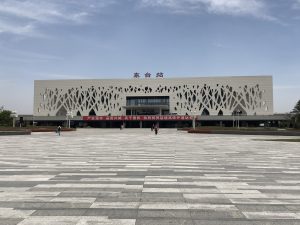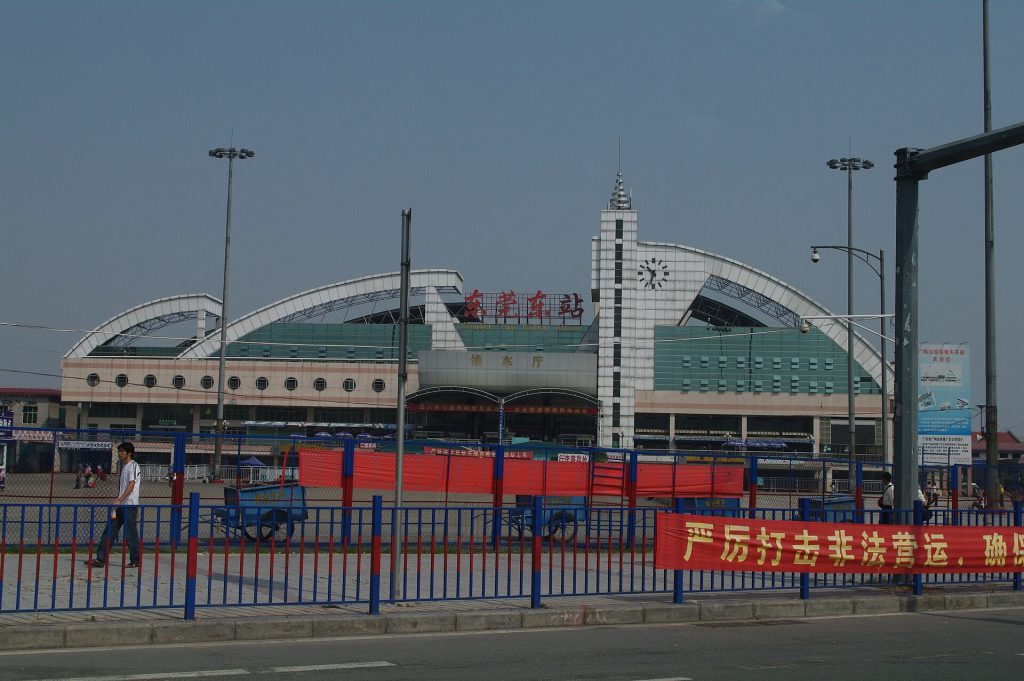
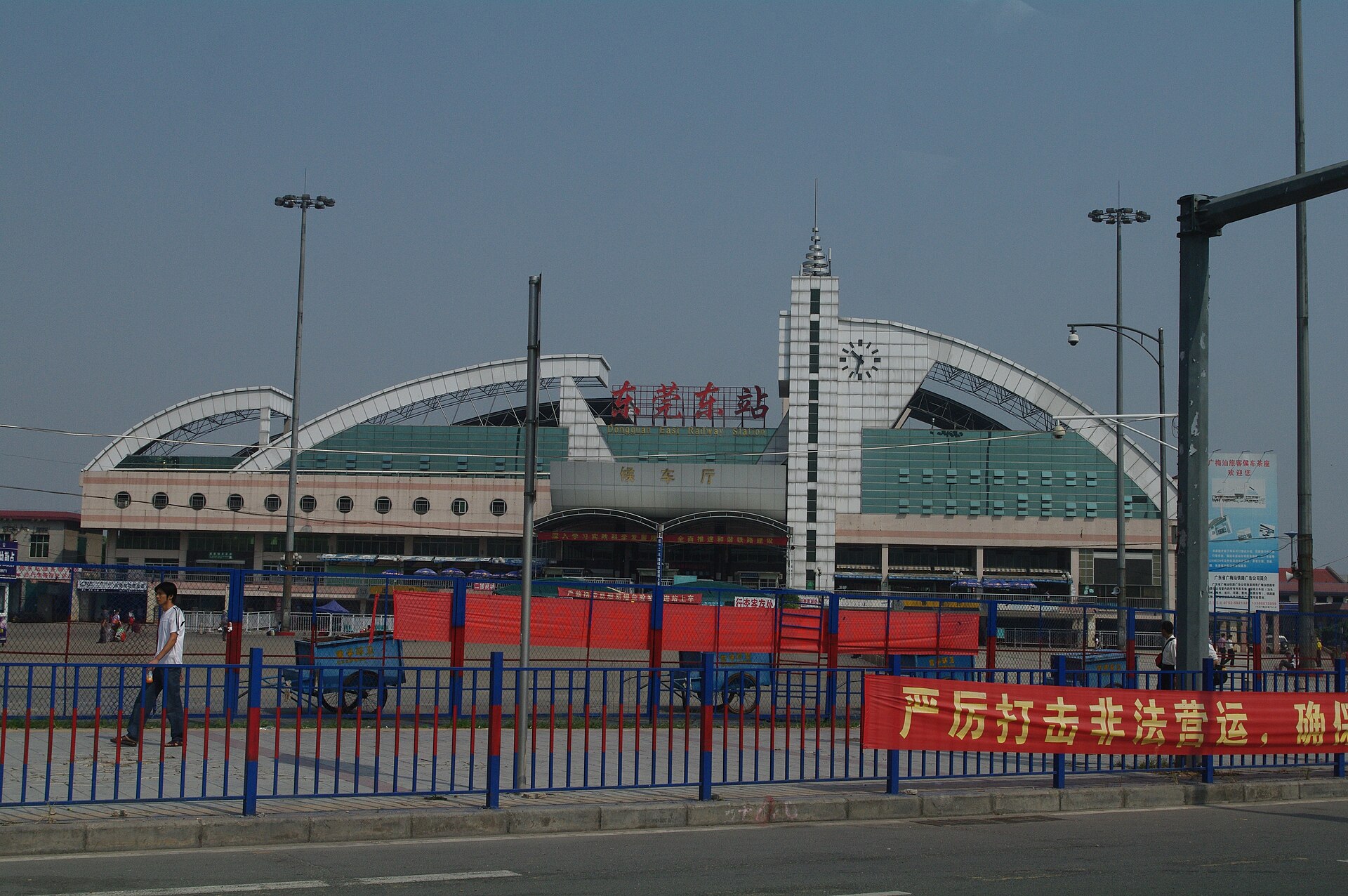
The high-speed train slides into Humen station just as the Pearl River widens into a grey mouth. Outside, a fleet of electric taxis hums beneath a viaduct, and the air carries a mix of diesel, fried dough, and the salty breath of the estuary. I’ve stepped off this platform a dozen times now — sometimes for a factory audit in Chang’an, sometimes just to eat a bowl of beef brisket noodles near the old fort — and every visit feels like peeling a layer off a city that refuses to sit still.
Getting Oriented
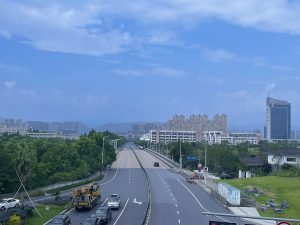
Dongguan doesn’t have a single downtown the way Guangzhou or Shenzhen do. Instead, it spreads across 28 towns and four urban districts, stitched together by metro lines, elevated expressways, and a web of village roads that GPS still struggles to parse. The downtown core — Guancheng and Nancheng — sits around the municipal government complex and the main railway station. Humen, at the southern tip, anchors the historic side. Chang’an and Dalang stretch west toward the hills. If you’re here on business, your hotel lobby likely decides your geography; if you’re exploring, pick one corridor and stay put for the day.
The metro is the cleanest way to move. Line 2 runs east–west through the central districts, hitting the exhibition center, the library, and the main railway station. Line 1 hooks south to Humen, terminating near the Nanshe ancient village and the Opium War Museum. Trains run every six minutes at peak, and a ride from end to end costs less than a bottled water. Buses fill the gaps, but the route maps are Chinese-only. I keep a screenshot of the “Dongguan Bus” mini-program on my phone; it shows real-time arrivals and lets you tap to pay with Alipay.
History You Can Touch
Most visitors know Humen for the 1839 opium destruction, but the site is larger than the textbook image of Lin Zexu standing over the pits. The Opium War Museum complex spreads across a wooded peninsula where the river bends. Start at the Sea Battle Museum — a modern hall built half underground — where a diorama shows British frigates exchanging fire with Qing batteries. Then walk the coastal trail to the actual destruction pools, now shaded by banyan roots. At low tide you can still see the stone foundations of the Shajiao Fort across the water.
Further inland, the Weiyuan Fort sits on a low hill behind a village of tiled roofs. The cannons are replicas, but the barracks rooms have been restored with straw pallets and iron cooking pots. An elderly caretaker sometimes demonstrates how soldiers packed gunpowder into paper cartridges. He speaks only Cantonese, but the gestures are universal. Allow two hours for the whole peninsula; bring water, because the only vendor sells warm soda from a foam box.
Green Escapes Without Leaving Town
Dongguan’s factories sit cheek-by-jowl with surprisingly steep hills. Lianhua Mountain in Chang’an is the most accessible: a paved stairway climbs 400 meters to a TV tower that doubles as a lookout. On a clear autumn morning you can see Shenzhen’s skyline shimmering across the river. The trailhead sits behind a Buddhist temple where retirees practice tai chi beside a koi pond. Weekends draw crowds; go at dawn on a weekday and you’ll share the summit with a few kite flyers and a vendor selling steamed corn on the cob.
For something wilder, take a taxi to Yinping Mountain in Qingxi. The trailhead is unmarked — look for a rusted gate beside a lychee orchard. The path climbs through secondary forest to a ridge where macaques watch hikers from the canopy. There’s no facility at the top, just a concrete trig point and a view of the reservoir snaking toward Huizhou. I once got caught in a sudden downpour there and sheltered under a rock overhang with a trio of local photographers waiting for a break in the clouds. They shared roasted sweet potatoes from a bamboo tube. That kind of spontaneity doesn’t happen on the manicured paths.
Eating: What Lands on the Table
Dongguan cuisine sits at the intersection of Cantonese restraint and Hakka heft. The signature dish is “white-cut chicken” — poached just until the skin turns translucent, then plunged into ice water so the meat stays silky. It arrives whole, chopped through the bone, with a ramekin of minced ginger-scallion oil and a second of soy-sesame dip. The best version I’ve had came from a back-alley shop in Guancheng where the broth simmers 18 hours a day; the skin glistens like amber and the juice runs sweet.
Another staple: steamed pork belly with preserved mustard greens (meicai kourou). The fat renders into the greens until both melt on the tongue. In a restaurant, order it “heung” (fragrant) — code for extra five-spice in the rub. For a lighter bite, seek out “lao shu fen” (silver needle noodles) in a clear broth with shredded lettuce, fried shallots, and a spoonful of chili oil that blooms red at the surface.
- White-cut chicken (home method): whole chicken (1.5 kg), ginger (50 g), scallion (3 stalks), salt (2 tbsp), ice water bath. Rub cavity with salt and half the ginger. Bring a pot of water to a rolling boil, lower chicken in, cover, kill heat. Wait 25 minutes. Transfer bird to ice water for 10 minutes. Chop. Mix remaining ginger, scallion, hot oil, salt for dip.
- Steamed pork belly with preserved greens: pork belly (500 g, skin on), meicai (150 g, soaked and squeezed), fermented bean curd (2 cubes), sugar (1 tbsp), five-spice (1 tsp), soy sauce (2 tbsp). Marinate pork 2 hours. Deep-fry skin side down until golden. Slice 1 cm thick. Layer greens in bowl, top with pork. Steam 90 minutes. Invert onto plate.
- Silver needle noodle soup: fresh rice noodles (200 g), chicken stock (500 ml), lettuce (handful), fried shallots, chili oil, white pepper. Blanch noodles 10 seconds. Heat stock, season. Assemble bowl: noodles, stock, lettuce, shallots, chili oil, pinch of pepper.
When ordering in a banquet hall, ask for “san bei ji” (three-cup chicken) if you want something punchy — soy, rice wine, sesame oil, basil, no water. Avoid the “tourist set menus” advertised near the railway station; they swap fresh river shrimp for frozen pond shrimp and charge double. A real local meal happens at a plastic-table joint where the menu is handwritten on a wall and the owner yells orders to the wok line.
Sleeping: Where to Drop Your Bag
Business hotels cluster around the exhibition center in Nancheng — clean, quiet, and priced for expense accounts. A standard room runs 350 to 500 yuan on a weekday, with breakfast included. If you prefer character over carpet, book a courtyard guesthouse in Nanshe village (Humen). The rooms are converted ancestral halls with tiled roofs and wooden lattice windows. No elevator, thin walls, but the owner’s wife serves a morning bowl of congee with pickled radish and peanuts that tastes like childhood.
For hikers, a handful of farm-stays dot the foothills of Yinping. They rent bunk beds in converted drying sheds for 80 yuan a night. Showers are solar-heated; the toilet is a squat pit behind a bamboo screen. You pay in cash at dinner — usually a spread of home-cured bacon, stir-fried bitter melon, and a clay pot of rice cooked over wood fire. Book through a WeChat contact; the phone number on the listing rarely works.
What Newcomers Get Wrong
First mistake: treating Dongguan as a day trip from Shenzhen. The distance looks short on a map, but the border check at the river crossing can swallow an hour each way during holiday peaks. Stay overnight if you want to see more than the museum.
Second: assuming English works in taxis. Drivers navigate by landmark, not address. Save a screenshot of your destination in Chinese — ideally the name of the nearest intersection or a well-known mall. Show the screen, nod, done.
Third: skipping the morning market. The Guancheng wet market wakes at 5:30 a.m. with live eels, mountains of choy sum, and stalls steaming rice rolls on the sidewalk. By 9 a.m. the best produce is gone and the energy has drained. Go early, eat a rice roll dripping with soy and chili, watch the butcher debone a chicken in twelve seconds. That’s the city’s real rhythm.
Last: ignoring the lunar calendar. The fifteenth day of the eighth month brings the Mid-Autumn lantern parade through Dongcheng’s central park — thousands of handmade paper lanterns floating above the lake, dragon dancers weaving through crowds, mooncake vendors shouting prices in Cantonese. The date shifts every year on the Gregorian calendar, but the moon doesn’t lie. Check a lunar app, clear the evening, and bring a folding stool.