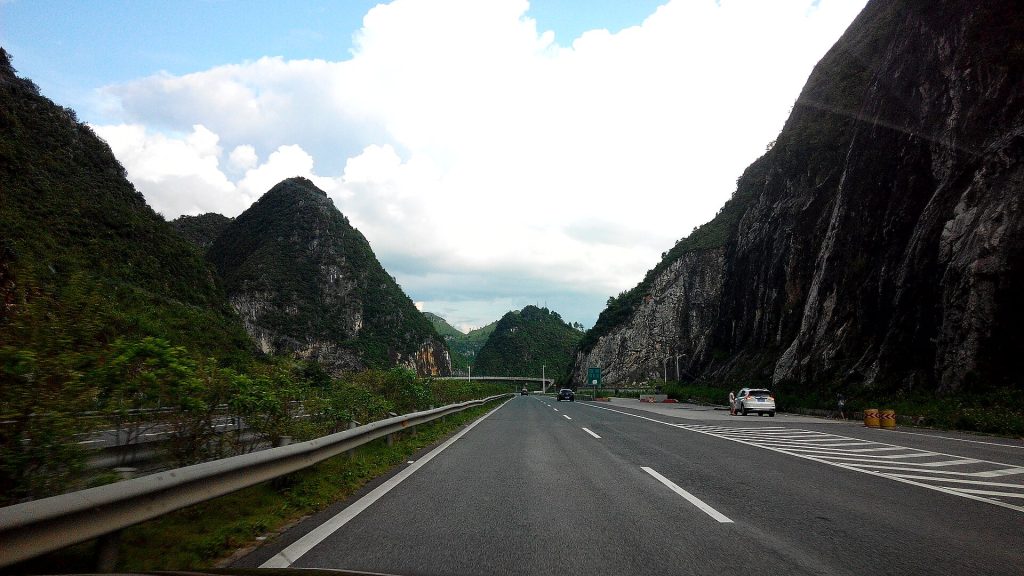
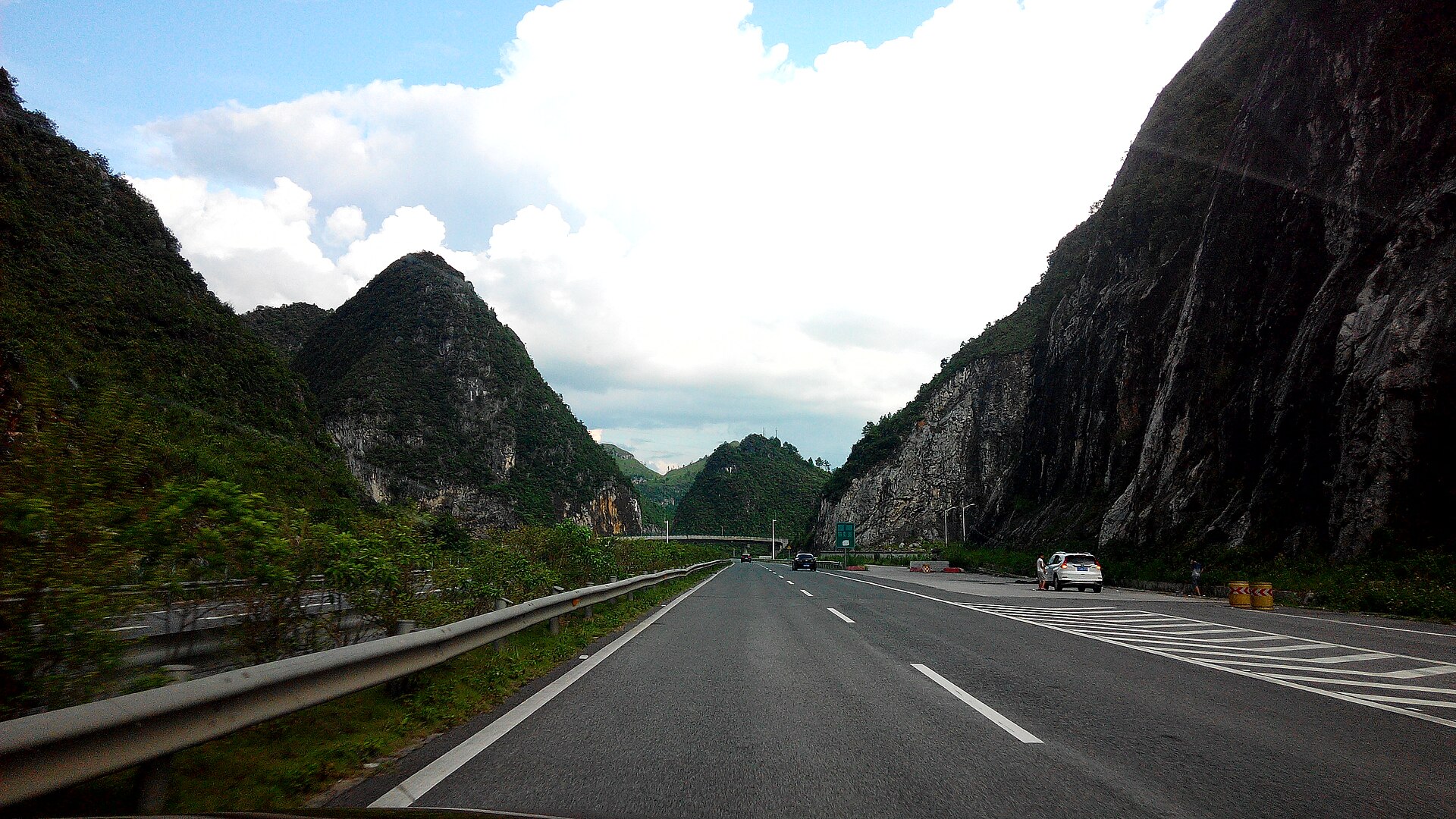
The minibus shudders to a halt on a hairpin bend above the Hongshui River. Below, the water cuts a jade groove through limestone towers that rise like broken teeth. A vendor at the roadside waves a bundle of wild fern shoots, shouting prices in Zhuang before switching to Mandarin for the passengers. This is the first hour in Hechi — no ticket booth, no queue, just the smell of damp rock and woodsmoke drifting up from a village tucked into the fold of the mountain.
Getting There and Moving Around
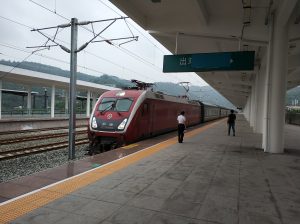
High-speed trains now terminate at Hechi North station, a glass-and-steel box planted in rice paddies twenty minutes from the old river port of Jinchengjiang. From the station forecourt, shared minivans leave when full for the county seats — Yizhou, Fengshan, Donglan — each ride costing a few dozen yuan and lasting anywhere from forty minutes to two hours depending on fog. Inside the city, the public bus network follows the main valley floor; routes 1, 3, and 8 connect the railway station, the long-distance bus terminal, and the pedestrian night market on Jiefang Road. Taxis cluster near the station exit, but after dark drivers often refuse the meter and quote a flat fee. The most reliable way to reach the remoter karst parks is to hire a driver for the day; expect to negotiate around three hundred yuan for a sedan that can handle the steep county roads.
Karst Caves and River Gorges
The headline attraction is the Fengyu Cave system near Fengshan county. A concrete walkway descends through a cathedral chamber where stalactites drip onto a subterranean river. Boats ferry visitors two kilometers downstream in near darkness, the boatman’s flashlight picking out flowstone curtains and rimstone pools. Wear shoes with grip — the metal deck stays slick year-round. Further north, the Longtan Scenic Area in Tian’e county offers a different rhythm: a boardwalk threads through a canyon where the river drops over travertine terraces. In the wet season the roar fills the gorge; in the dry months the pools turn mirror-clear, reflecting the overhanging vines. Both sites open at eight and close before sunset; arrive early to beat the tour groups that pour in from Nanning on weekends.
Village Stays with Zhuang and Yao Hosts
In the hills above Donglan, the Zhuang village of Bamao still builds stilt houses from fir beams and bamboo lath. A family near the drum tower rents two upstairs rooms — hard beds, mosquito nets, a shared squat toilet at the end of the corridor. Dinner arrives on a round table: sour fish soup simmered with fermented tomatoes, stir-fried bitter melon with cured pork, a bowl of glutinous rice steamed in banana leaves. The host pours rice wine from a ceramic jar, insisting each guest drink three small cups while the elders chant a toast in Zhuang. Yao communities further up the slope, such as the Red Yao of Longhua, specialize in indigo-dyed batik; women sit at looms under the eaves, fingers moving through patterns that record clan migrations. If you stay overnight, rise before dawn — the mist lifts in ribbons, revealing terraced fields stacked to the ridge line.
Market Days and Festival Timing
Every township runs a rotating market on the lunar calendar — the third, sixth, and ninth days of each month are common. On those mornings the county bus station square fills with baskets of wild honey, smoked rat bamboo, bundles of medicinal roots, and live chickens tied by the legs. Yao women in pleated skirts and silver headdresses haggle over cloth bolts; Zhuang men test the weight of crossbow stocks carved from rosewood. The biggest gathering falls on the third day of the third lunar month, when the Zhuang Song Festival turns the riverbank into an open-air stage. Duet singing contests last until midnight, and the air thickens with the scent of grilled fish wrapped in lotus leaves. A newcomer often mistakes the festival for a performance; locals expect you to join the call-and-response, even if you only hum the chorus.
Food on the Road
Roadside stalls specialize in two dishes. The first is Hechi rice noodles: thin strands blanched in pork-bone broth, topped with pickled mustard greens, crushed peanuts, a spoonful of chili oil, and a handful of raw lettuce that wilts in the heat. The second is oil-tea — tea leaves pounded with ginger, garlic, and puffed rice, then whisked with boiling water into a savory gruel. Drink it from a wooden bowl while squatting on a plastic stool. In Jinchengjiang’s night market, look for the stall with a charcoal grill turning skewers of river shrimp brushed with fermented bean paste. Order by pointing; the cook flips them once, sprinkles cumin, and hands over a paper tray. Avoid the pre-peeled fruit cups displayed on ice — they sit for hours in the humidity.
Common Missteps
First-time visitors often book a hotel in the new district near the high-speed station, then discover the caves and villages lie an hour away on winding roads. Stay instead in the old town of Jinchengjiang or a village homestay; the extra morning sleep saves hours of backtracking. Another mistake is assuming Mandarin works everywhere. In the upper valleys, elders speak only Zhuang or Yao; carry a phrase card with the characters for “toilet,” “water,” and “how much.” Photographers sometimes step onto private terraces for sunrise shots — always ask the field owner first; a cigarette or a few yuan settles the matter. Finally, do not pack only light clothing. Even in summer the temperature drops ten degrees after rain in the limestone valleys, and the mist clings until noon.