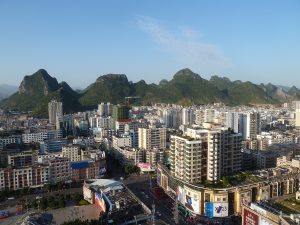
The minibus from Xiahe shudders to a halt on Hezuo’s main drag just as a flock of pigeons lifts off the square in front of the prefecture government building. Steam rises from a vendor’s copper pot of milk tea beside the curb. At 2,900 meters, the air bites the throat on a late autumn morning, and the sun feels closer than it did in Lanzhou. Prayer flags snap on the ridge above town, their colors bleached by months of wind. This is where the Tibetan plateau begins to feel like home rather than a destination.
Getting There Without a Headache
Most travelers arrive by road. The bus from Xiahe takes about two hours, climbing through valleys where yaks graze beside the Tao River. Seats fill fast during festival weeks, so buy a ticket the afternoon before at the Xiahe station window. From Lanzhou, the long-distance coach runs five hours on the G75 expressway; the newer buses have oxygen outlets above each row, which helps when the road tops 3,200 meters at the pass. If you are coming from Xining, the route crosses the Yellow River at Guide and follows the Datong River valley — six hours on a good day, longer if snow closes the high sections.
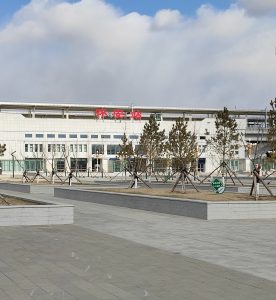
Flying lands you at Gannan Xiahe Airport, an hour’s drive from town. Sichuan Airlines runs flights from Chengdu, Xi’an, Lhasa, and Yinchuan, but schedules shift with the season. A taxi from the airport terminal to Hezuo costs roughly 150 yuan; share a ride with other passengers at the arrivals hall to cut the fare. In winter, morning fog often delays the first flight, so build a buffer into any onward connection.
Moving Around Town
Hezuo spreads along a north-south axis between the bus station and the monastery hill. The center is walkable in fifteen minutes, but the altitude turns a gentle slope into a lung test. Green public bicycles dock near the main intersection; a phone scan unlocks one for an hour, though the basket is too small for a backpack. Taxis cluster at the bus station and outside the larger hotels — flag one down or call the number posted on the roof light. Drivers know “Tsoe Gompa” and “Milarepa Lhakhang” by heart. For villages farther up the valley, minibuses leave from the lot behind the prefecture compound when full; ask the conductor for the departure time, because there is no printed timetable.
What to See: The Monastery Complex
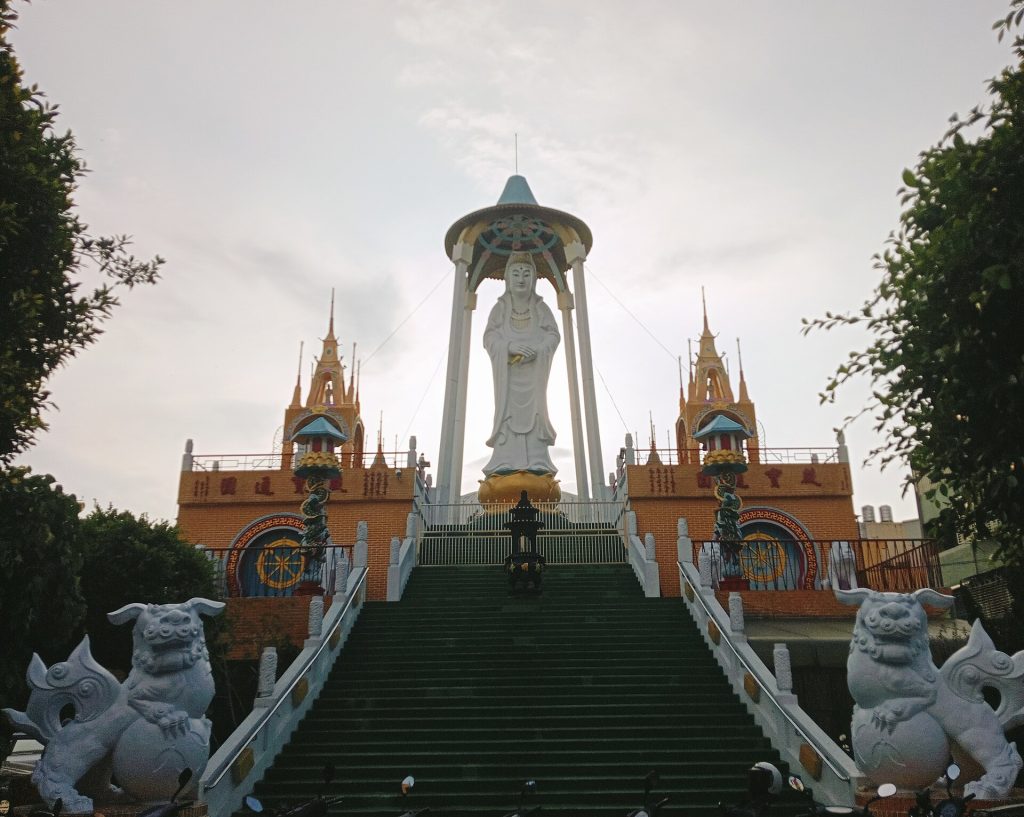
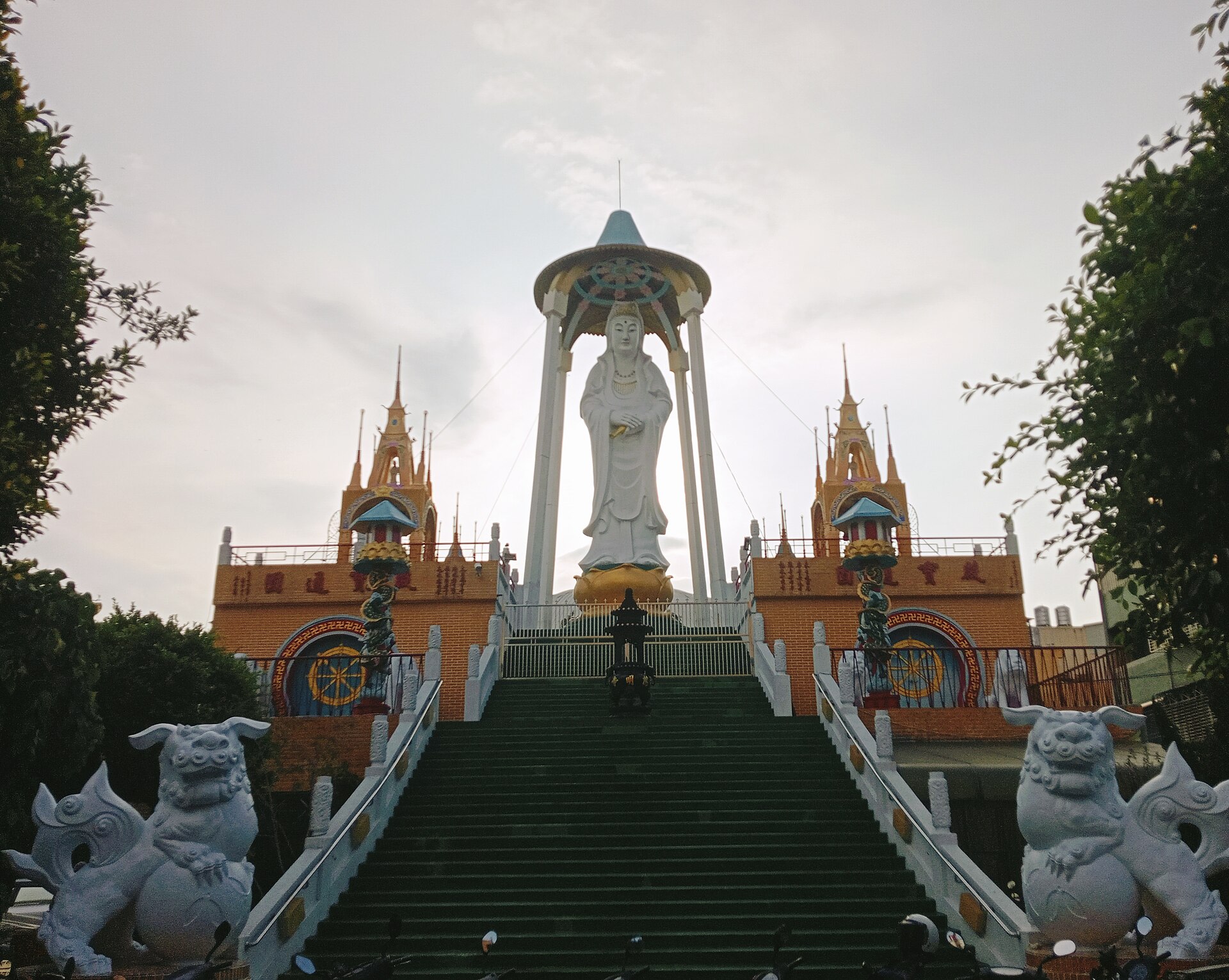
Tsoe Gompa sits on a terraced spur above the town’s rooftops. The approach climbs a stone stairway past rows of spinning prayer wheels — turn them clockwise, never the reverse. The main assembly hall smells of yak butter lamps and juniper incense. Monks in crimson robes chant mid-morning; visitors may sit on the rear cushions if they remove hats and keep voices low. The real draw is Milarepa Lhakhang, a thirteen-story tower named for the singing yogi. Each floor holds murals of his life: the black magic years, the repentance, the white cotton robe. Light filters through narrow windows onto the steep wooden ladders between levels. The top floor opens onto a balcony with a 360-degree view — town roofs, the river bend, snow peaks to the west. Go early, before tour groups arrive, and bring a headlamp for the dim upper stairs.
Day Trips Into the Grasslands
North of town, the plateau opens into rolling pasture. Hire a driver for the day — 300 to 400 yuan — and head toward Luqu or Maqu. The road follows the Tao River through valleys where herders move their tents with the seasons. In late spring, wild iris and edelweed carpet the slopes. Stop at a family encampment if you see smoke rising from a dung-fueled stove. The host will offer butter tea and tsampa; accept with both hands, take a sip, and pinch a little flour into your palm as a gesture of respect. Do not step over the threshold rope or point your feet at the stove. By afternoon, the wind usually picks up, whipping dust across the track — pack a windproof layer and sunglasses.
Where to Sleep
Options cluster near the bus station and along the east-west avenue that cuts through the center. Gannan Binguan sits directly across from the station forecourt; rooms are basic, hot water reliable, and the front desk can arrange a shared minibus to Xiahe. A block north, Gansu Highland Travel runs a guesthouse with a small courtyard where travelers dry laundry and compare route notes. The owner speaks passable English and keeps a stack of hand-drawn maps for the surrounding counties. Lingcheng Minzu Lushe offers three-bed rooms — useful if you are with a group and want to split cost. Shaoma Hotel and Tianyuan Hotel face each other on the street east of Lingcheng; both have private bathrooms and electric blankets, a blessing when night temperatures drop below freezing in the tenth lunar month.
Eating: Noodles, Yak, and Butter Tea
Breakfast starts early at the alley stalls behind the main market. A bowl of hand-pulled noodles arrives in clear broth with sliced radish, cilantro, and a spoonful of chili oil — slurp loud, it signals appreciation. For something heavier, order thukpa: thick wheat noodles, chunks of yak meat, potato, and a ladle of rich bone stock. The meat should be tender enough to pull apart with chopsticks, not rubbery. Tsampa, roasted barley flour, comes in a wooden bowl with butter tea; mix it with your fingers into a stiff dough, then roll into bite-size balls. Lunch might be momo — steamed dumplings stuffed with minced yak, onion, and ginger — served with a fiery tomato-garlic dip. Dinner in a family-run courtyard restaurant often includes a hot pot: a brass pot of simmering broth set on a charcoal burner, with plates of sliced lung, tripe, tofu skin, and fresh greens. Cook each piece for seconds, not minutes.
- Hand-pulled noodles: wheat flour, water, salt — knead, rest, pull, boil.
- Thukpa broth: yak bones, ginger, garlic, onion, Sichuan peppercorn — simmer four hours.
- Tsampa dough: roasted barley flour, butter tea, pinch of salt — stir, knead, roll.
- Momo filling: minced yak, minced onion, grated ginger, soy sauce, pepper — wrap, steam twelve minutes.
- Hot pot broth: yak stock, dried chili, star anise, goji berries — boil, keep at a rolling simmer.
Cultural Missteps to Avoid
First-time visitors often treat the monastery like a museum. It is a living religious center. Do not photograph monks without permission; many will decline. Never touch a prayer wheel with your left hand, and never spin it counterclockwise. When entering a chapel, step over the threshold — do not step on it. Hats off, shoulders covered, phones silent. If a monk offers a blessing thread, accept it with both hands and tie it on your wrist immediately; removing it later is considered disrespectful. In a herder’s tent, sit where directed — usually on the right side — and do not stretch your legs toward the altar shelf. Refusing butter tea outright offends; take a sip, leave the rest, and the host will understand. Finally, altitude sickness hits hard above 3,000 meters. Walk slowly, drink water constantly, and carry ibuprofen for the headache that comes with the first night. Diamox helps if you start it a day before arrival, but consult a doctor at home first.
Leaving: Buses to Everywhere
The bus station wakes before dawn. Coaches to Lanzhou roll out every half hour from 5:30 a.m., the same cadence for Linxia. Xining departures leave mid-morning and take eight hours on the mountain switchbacks. For Xiahe, catch the 7 a.m. minibus — it beats the tourist crowds at Labrang Monastery. Heading deeper into the prefecture, buses to Luqu, Maqu, and Diebu leave when full from the rear lot; ask the ticket seller the expected wait. Westbound routes cross into Qinghai at Henan, then climb toward Aba and Ruoergai in Sichuan — two days if you stop overnight, one punishing day if you push through. Buy tickets at the window, not from touts, and keep the stub; conductors check it at each checkpoint. Pack snacks, a thermos of hot water, and a downloaded map — signal disappears in the high passes.