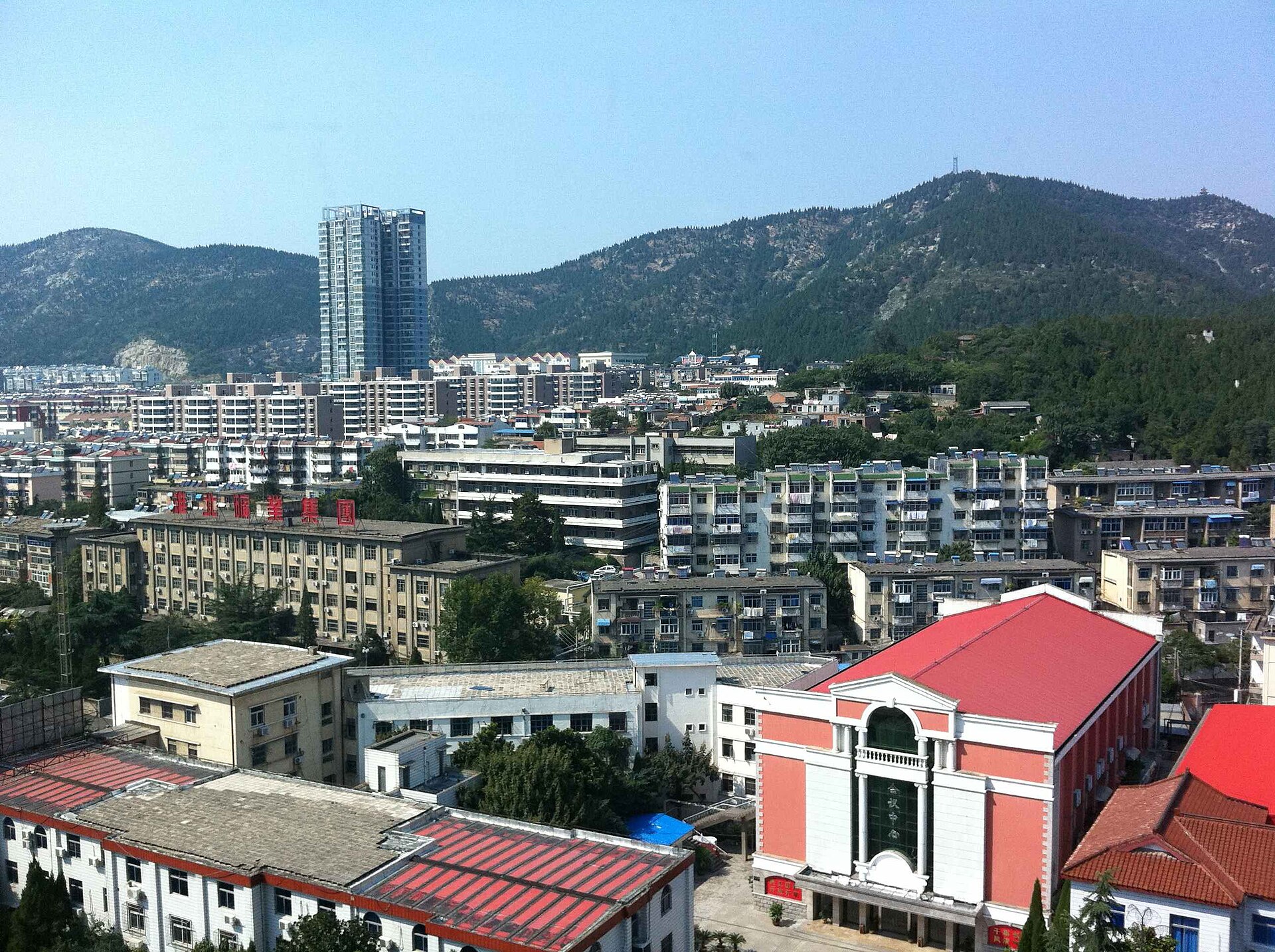
The morning mist clings to the slag heaps behind the old mine shafts, turning them into soft gray mounds that look more like sleeping dragons than industrial scars. A vendor on Xiangshan Road pushes a cart stacked with steaming buns, the scent of scallion and pork fat cutting through the cool air. An elderly man in a Mao suit practices tai chi beside the artificial lake in Nanhu Park, his movements slow enough to count. This is Huaibei on a spring Tuesday — no tour buses, no ticket queues, just the rhythm of a city that dug its wealth from the ground and is now learning to grow things on top of it.
Getting Oriented
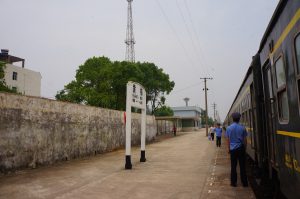
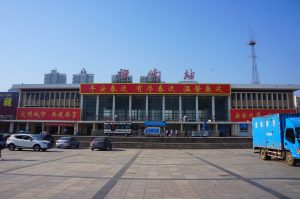
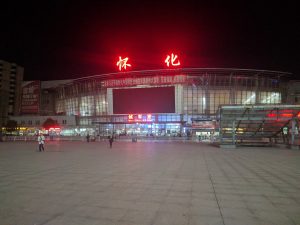
Huaibei sits in the far north of Anhui, where the province brushes against Henan and Jiangsu. The train station handles a handful of high-speed services daily — mostly from Nanjing, Xuzhou, and Hefei — and the ride from Nanjing South takes about two hours. If you arrive by conventional rail, the old station building still has its 1980s mosaic mural of miners holding lamps. Taxis cluster outside both exits; a ride to the city center costs roughly thirty yuan and takes ten minutes. Most visitors base themselves near Renmin Road or the university district, where budget hotels and family-run guesthouses line the side streets. Buses 1, 6, and 12 connect the main sights, but the network thins out after seven in the evening. Renting an electric scooter from a shop near the station (deposit around two hundred yuan, ID required) gives you the freedom to chase the sunset at Xiangshan without worrying about the last bus.
Walking the Old Coal Town
The Huaibei Mining Museum sits on the site of the former No. 1 Shaft. You enter through a recreated tunnel — timber props, coal dust on the walls, a mine cart frozen mid-tilt. The guides are retired miners; one named Lao Chen showed me how to read the color of the rock face for gas pockets. He tapped the wall with his knuckles. “Hollow sound means danger,” he said. Upstairs, photographs document the city’s boom: rows of identical dormitories, shift-change crowds thick as river fog, the first television sets arriving in the 1970s. Don’t skip the small hall dedicated to the 1980s strikes — handwritten banners, a dented lunch pail used as a megaphone. It takes ninety minutes to absorb it all. Outside, a sculpture garden uses rusted drill bits and conveyor belts as raw material. In late afternoon, the light catches the twisted metal and turns it gold.
Xiangshan: The Hill That Watched It All
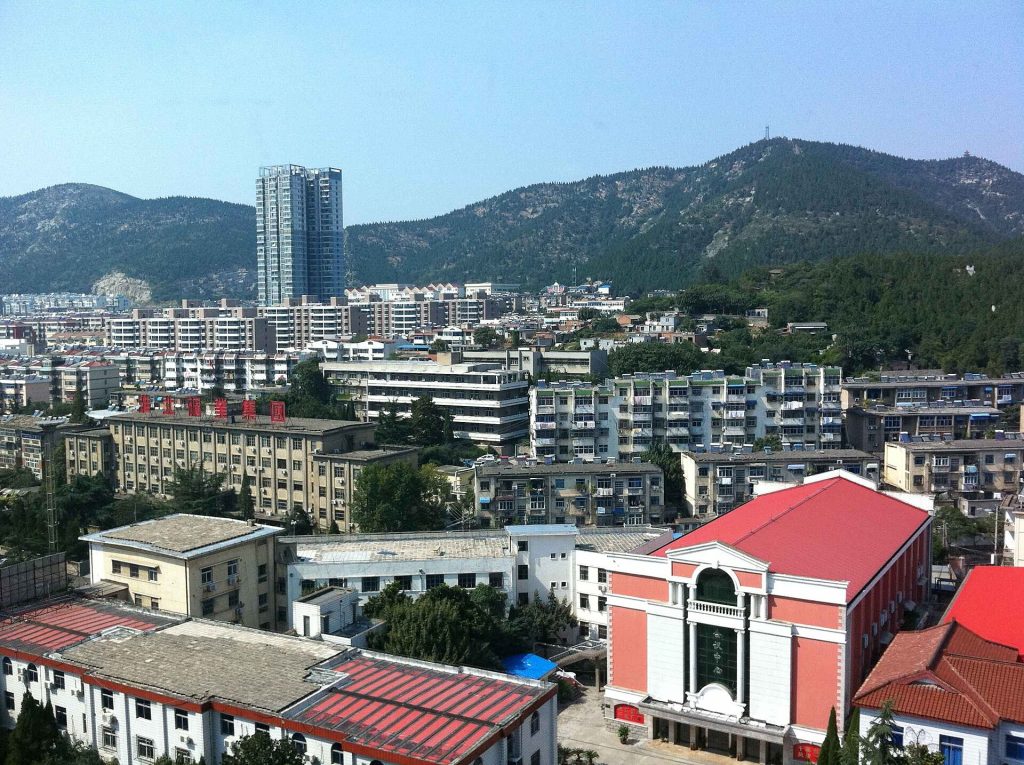
Xiangshan rises behind the museum, a limestone ridge folded with caves and old fortifications. The main path climbs 328 stone steps to the summit pavilion. Halfway up, a side trail leads to the Grotto of the Hidden Spring — a narrow fissure where water drips year-round into a stone basin. Locals leave coins and red ribbons. At the top, the view spreads across the entire basin: the grid of new high-rises, the green wedge of Nanhu Park, the straight line of the Huai River canal cutting toward the horizon. On clear days you can see the cooling towers of the power plant thirty kilometers away. Come at dawn during the Qingming season; the hillside blooms with wild peach and apricot, and the air smells of wet earth and pine resin. Wear shoes with grip — the stone gets slick after rain.
Water and Willows at Nanhu
Nanhu Park was a subsidence lake caused by mining collapse. The city ringed it with boardwalks, planted willows, and built a series of small islands connected by arched bridges. By mid-morning, the paths fill with retirees dancing to cassette players, kite sellers unspooling string, and grandmothers teaching toddlers to feed the carp. Rent a paddle boat from the east dock — twenty yuan for half an hour. The best route circles Willow Island, where a teahouse serves jasmine tea in glass cups and cold sesame noodles in porcelain bowls. Stay for the sunset if you can; the water turns the color of dark soy sauce, and the willow fronds brush the surface like calligraphy strokes. Mosquitoes appear at dusk, so bring repellent or wear long sleeves.
Food That Sticks to Your Fingers
Huaibei cuisine leans salty, garlicky, and heavy on wheat. The signature dish is sa tang — a thick soup of gluten strips, vermicelli, daylily buds, wood ear fungus, and pepper, thickened with cornstarch and finished with a swirl of beaten egg. A proper bowl arrives steaming in a blue-rimmed porcelain basin, the surface glossy with chili oil. You eat it with a flat spoon and a side of pickled radish cubes. For breakfast, hunt down a stall selling huo shao: oval flatbreads baked against the inner wall of a clay oven, split open and stuffed with minced lamb, cumin, and cilantro. The crust crackles; the meat juices soak into the dough. At dinner, order kou wei ji — chicken braised in soy, rock sugar, star anise, and dried tangerine peel until the skin turns mahogany and the meat falls off the bone. Locals dip the meat in a sauce of minced ginger, vinegar, and sesame oil.
- Sa tang base: pork bone broth simmered four hours, gluten strips (mian jin), sweet potato vermicelli, dried daylily buds, wood ear fungus, white pepper, cornstarch slurry, beaten egg, chili oil, cilantro
- Huo shao dough: high-gluten flour, water, yeast, salt — kneaded stiff, rested two hours, divided into balls, rolled oval, slapped onto hot clay oven wall
- Filling: ground lamb, cumin seed, coriander seed, scallion, salt, Sichuan peppercorn
- Kou wei ji: whole chicken (about 1.5 kg), soy sauce, rock sugar, star anise, cinnamon stick, dried tangerine peel, ginger, garlic, Shaoxing wine
- Dipping sauce: minced ginger, aged black vinegar, sesame oil, pinch of sugar
To make sa tang at home, start the broth the night before. Skim the fat in the morning. Rehydrate the fungus and daylily buds in warm water. Blanch the gluten strips. Bring broth to a rolling boil, add vermicelli and vegetables, thicken with slurry, then drizzle the egg in a thin stream while stirring. Finish with white pepper and chili oil. The soup should coat the spoon without being gluey. For huo shao without a clay oven, a cast-iron skillet over high heat works — press the dough flat, cover, cook two minutes per side, then finish in a 220°C oven for three minutes to puff the interior.
What Newcomers Get Wrong
First mistake: assuming Huaibei is just a day trip from Xuzhou. The city rewards slowness. The mining museum alone deserves half a day; Xiangshan another. Second: skipping the night market on Jiefang Road because it looks chaotic. The chaos is the point — skewers of lamb kidney, stinky tofu fried black, bowls of cold kelp salad tossed with garlic and chili. Go after nine when the factory shifts end. Third: expecting English menus. Even mid-range restaurants often have only Chinese characters. Learn to recognize the radicals for meat (肉), noodle (面), and soup (汤), or carry a photo of the dish you want. Fourth: forgetting cash. Many small vendors and taxi drivers still prefer paper yuan; mobile payment QR codes sometimes fail on older phones. Fifth: treating the city as a backdrop. Sit on a plastic stool at a streetside stall. Share a bottle of local baijiu — clear, sharp, fifty percent alcohol — with the owner. He’ll tell you which mine his father worked, which year the flood came, which tree on Xiangshan he carved his initials into. That’s the guidebook no app can download.