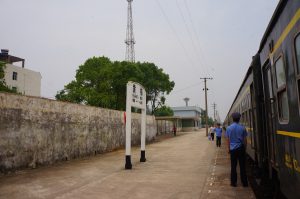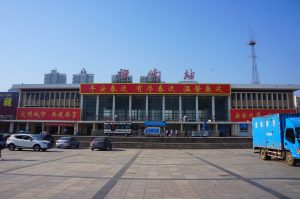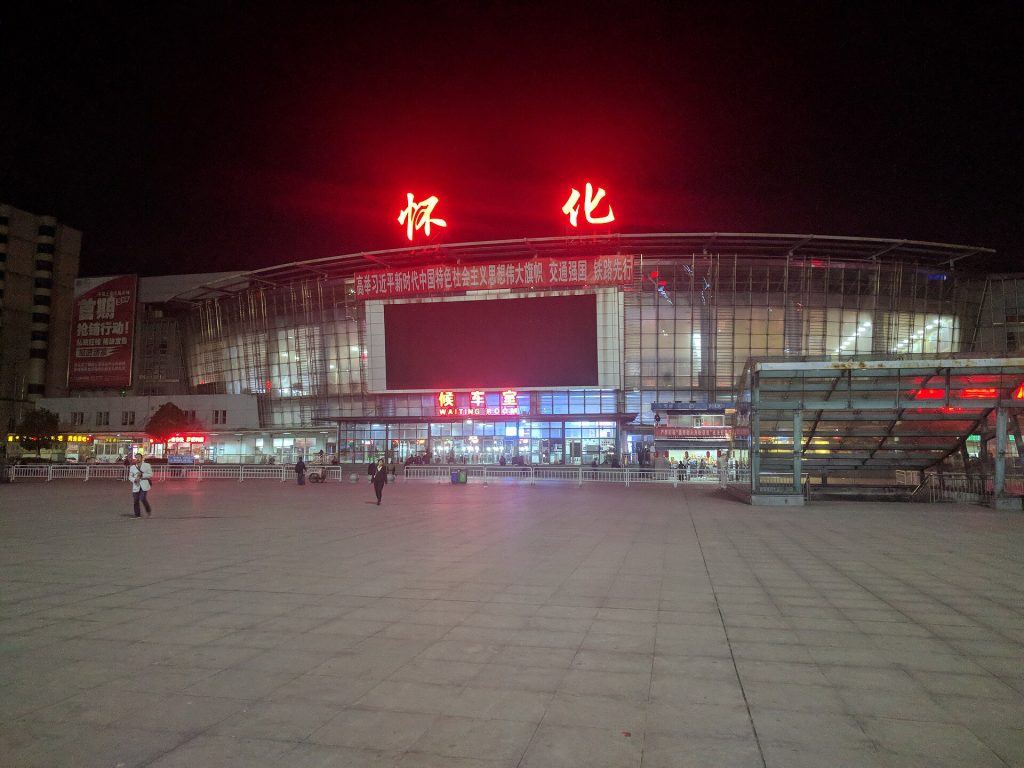
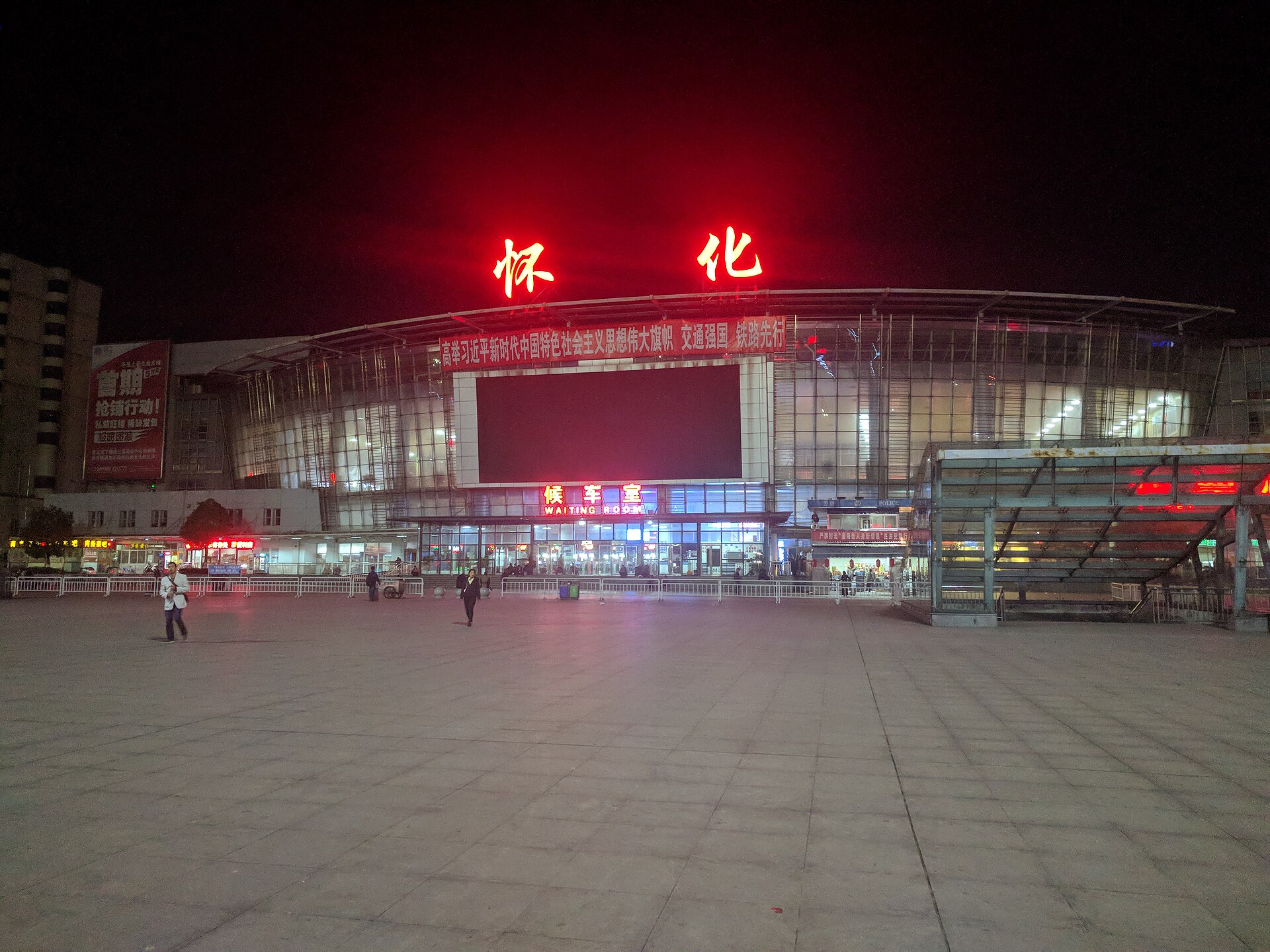
The night train from Changsha shudders into Huaihua station just before dawn. Mist clings to the hills that cup the city, and the air smells of wet stone and woodsmoke. A vendor on the platform lifts the lid of a steaming bamboo basket, selling rice dumplings wrapped in banana leaves to workers heading for early shifts. This is the gateway to western Hunan, where the rail lines split toward Guizhou and Yunnan, and the mountains hold villages that have kept their own calendars for centuries.
Getting oriented in the valleys
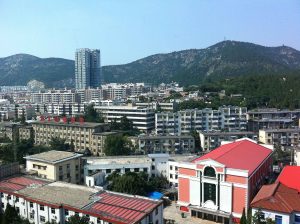
Huaihua prefecture stretches across a wrinkled map of limestone peaks and river gorges. The urban core, Hecheng District, sits along the Yuan River and makes a practical base: hotels near the high‑speed rail station, a cluster of Hunanese restaurants, and buses that fan out to the autonomous counties. South of the city, Hongjiang Ancient Commercial Town preserves Ming‑era storefronts along a bend in the Wu River. Further out, the county seats — Zhijiang, Tongdao, Jingzhou, Xinhuang — each anchor a distinct ethnic corridor. Roads are decent on the main arteries; once you turn onto the township lanes, expect hairpin turns, occasional rockfall, and drivers who treat the center line as a suggestion.
Moving around without a private car
High‑speed trains now link Huaihua South to Changsha in under three hours and to Guiyang in about two. Conventional services still stop at the older Huaihua station, which is closer to the city center and the long‑distance bus depot. From the depot, scheduled coaches leave for every county seat; buy a ticket at the window rather than online, because the printed slip shows the exact departure bay. Inside the counties, minivans (面包车) wait at the bus station square until they fill — usually eight passengers — then crawl up mountain roads to villages like Zhaoxing or Gaoyi. If you value flexibility over cost, hire a driver for the day in the county town; negotiate a flat fee before the engine starts, and confirm whether tolls and meals are included.
Village rhythm and guesthouse etiquette
Staying overnight in a Dong drum‑tower village changes the pace. Most family guesthouses are wooden stilt houses with a central fire pit; the host family sleeps upstairs, guests downstairs on padded mats. Arrive before sunset so the host can light the hearth and serve a bowl of oil‑tea (油茶) — popped rice, peanuts, and scallions swirled in a salty broth. It is polite to sip three bowls; the fourth signals you are full. Shoes come off at the threshold. Bathrooms are often shared squat toilets at the end of the corridor, with a bucket of cold water for flushing. Power cuts happen during heavy rain; a headlamp beats a phone flashlight. In the morning, the drum tower echoes with the deep boom that calls elders to discuss village affairs — don’t wander into that circle unless invited.
Market days and festival windows
Each township runs a rotating market (赶集) on a fixed lunar cycle — every three, five, or seven days depending on the county. On market morning, the main street fills with Miao women in pleated indigo skirts selling silver headdresses, Tujia men hauling baskets of cured pork, and Yao herbalists laying out roots on tarps. The best produce appears before 8 a.m.; by noon the meat stalls have sold out. If your dates are flexible, aim for the “Sisters’ Festival” in the third lunar month, when Miao girls dye glutinous rice five colors and sing antiphonal courtship songs along the riverbank. In the seventh lunar month, Dong villages hold the “Grain Rain” ceremony: a procession carries a paper ox to the fields, then burns it to pray for harvest. Outsiders are welcome to watch from the edge of the crowd; stepping into the ritual circle is considered disrespectful.
Eating on the road
Huaihua cuisine leans sour and spicy, heavy on fermented chili, pickled long beans, and smoked meats. In Hecheng, order a clay‑pot stew of pork belly, blood tofu, and sour radish at a lane‑side stall — watch the broth bubble over charcoal. In the counties, the default set meal is rice, stir‑fried wild greens (蕨菜, 木耳菜), a slab of bacon cured with tea‑camellia leaves, and a bowl of bone broth. Vegetarians should specify “不吃肉, 不吃肥肉” — no meat, no lard — because lard flavors even vegetable dishes. Carry a small packet of tissues and hand sanitizer; many rural toilets lack paper and soap.
- Must‑try street snack: 糍粑 — pounded glutinous rice cakes grilled over charcoal, brushed with chili‑soy glaze, and rolled in toasted soybean flour.
- Drink to order: 米酒 — low‑alcohol sweet rice wine served warm in a ceramic bowl; one bowl is polite, three is a challenge.
- Breakfast staple: 粉汤 — rice noodles in clear broth with pickled mustard greens, peanuts, and a spoonful of chili oil.
Common missteps and how to avoid them
First‑time visitors often assume English signage exists beyond the high‑speed station — it doesn’t. Download offline maps with Chinese place names, and screenshot your destination written in characters to show taxi drivers. Another trap: treating all “ancient towns” as equal. Hongjiang Ancient Commercial Town charges an entry fee and has restored storefronts; the nearby Hongjiang Management District is a working river port with crumbling warehouses and no ticket booth — both are worth seeing, but for different reasons. Cash is still king in villages; mobile payment works in county seats but fails where signal drops. Carry enough small‑denomination yuan for guesthouse balances, market snacks, and van fares. Finally, don’t plan a tight day‑trip from Huaihua city to Zhaoxing and back — the round trip eats ten hours on winding roads. Sleep one night in the village; the morning mist over the drum towers repays the extra hour.