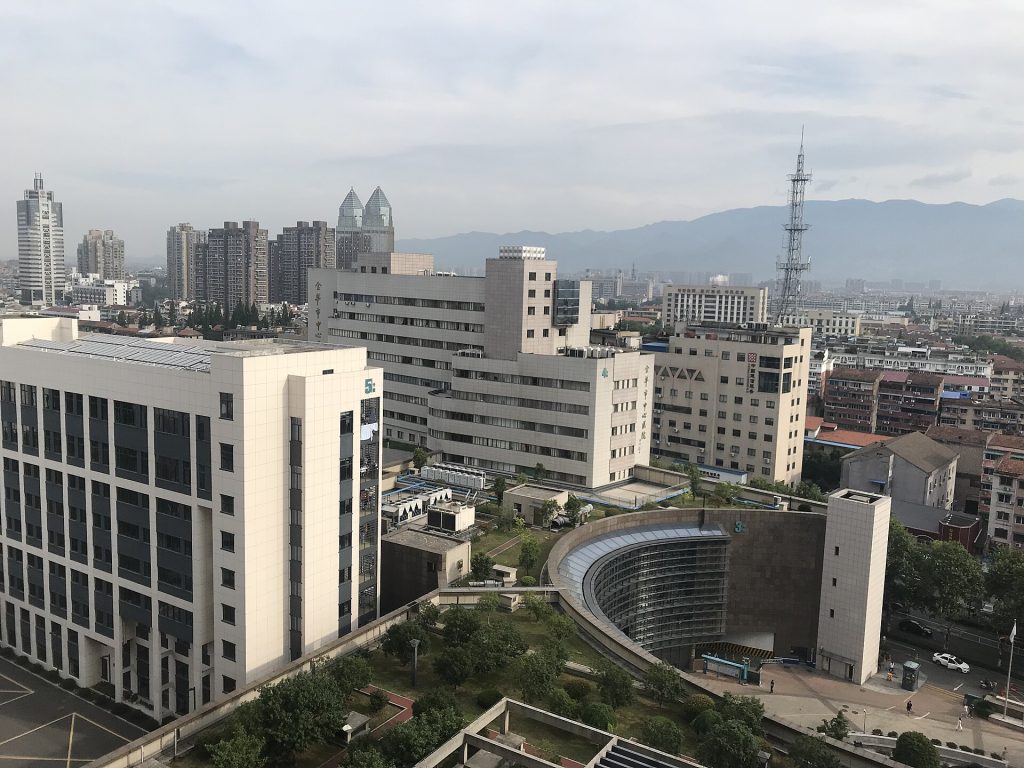
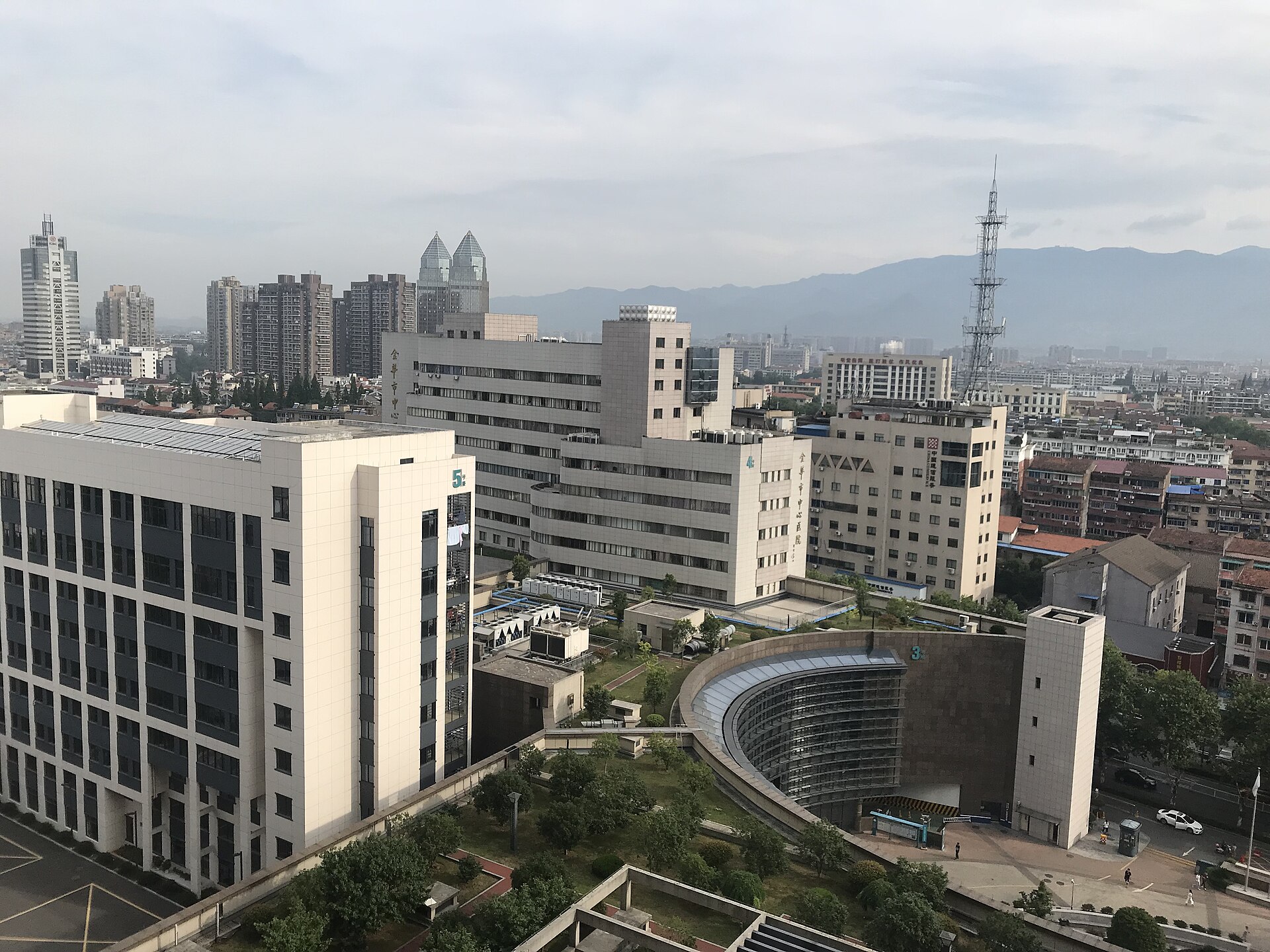
The train hisses to a halt at Jinhua Station just as a vendor slaps a paper wrapper around a steaming ham mooncake, the crust still cracking with heat. Outside, the Wu River catches the late light, and the smell of soy‑braised pork drifts from a noodle shop where two old men argue over a chess move. This is the city that doesn’t show up on the first page of the guidebook — central Zhejiang’s quiet workhorse, where the mountains still press close to the concrete and the ham has been curing in the same clay jars since the Song dynasty.
Getting oriented
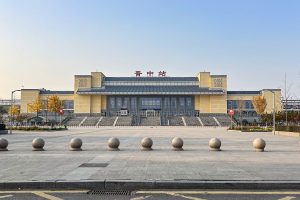
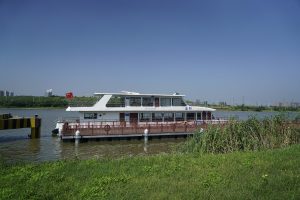
Jinhua sits in the basin where the Yiwu, Lanjiang, and Wuyi rivers braid together before flowing east toward Hangzhou Bay. The high‑speed station sits on the north edge of Wucheng District, a twenty‑minute taxi ride from the old town’s flagstone lanes. Most visitors base themselves near Bayong Road — close to the night market, the bus terminal for mountain villages, and a cluster of family‑run guesthouses that still hang laundry over the balcony rails. If you arrive on a conventional train, the older station drops you right beside the river promenade where locals practice tai chi at dawn.
Two days on foot
Morning one: start at the Bayong Tower, a Ming‑era drum tower that survived the Cultural Revolution because a factory manager claimed it as a fire lookout. Climb the narrow stairs for a view of tiled roofs spilling toward the hills. Walk south along Zhongshan Road to the Jinhua Ham Museum — not a glass‑case shrine but a working curing house where you can watch a master score a hind leg, rub it with salt and tea‑ash, then hang it in the bamboo‑slatted loft. The guide will hand you a sliver of meat on a toothpick; it should taste of smoke, sweet ferment, and a whisper of anise.
Lunch at the alley behind the museum: a bowl of hand‑pulled noodles in broth fortified with ham bone, topped with pickled mustard greens and a spoonful of chili oil the color of dried persimmons. Afternoon, cross the Wu River on the pedestrian bridge to the Dual Dragon Cave scenic area. The main cavern is lit, but the side tunnel — unmarked, damp, smelling of mineral water — leads to a subterranean pool where locals still toss coins for exam luck. Wear shoes you don’t mind ruining; the floor stays slick year‑round.
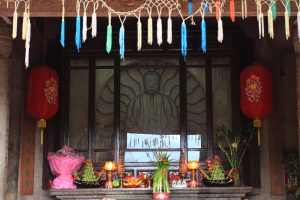
Day two, take the 7:30 am bus from the west station to Hengdian, forty minutes into the hills. The “Chinese Hollywood” label is misleading — half the backlots are empty warehouses, the other half rented by livestream sellers hawking jade rollers. Skip the ticketed palace sets. Instead, hire a motorbike taxi at the village entrance and ask for the old tea‑horse trail that climbs behind the Ming‑Qing Garden. The path switchbacks through bamboo, passes a shrine to the mountain god wrapped in red cloth, and ends at a tea farmer’s courtyard where you can drink hand‑roasted green tea from a cracked porcelain bowl while the owner’s grandson does homework on a plastic stool.
Eating like a local
Jinhua cuisine leans salty‑sweet, heavy on preserved vegetables, cured meats, and river fish. The signature dish is ham‑steamed chicken: a whole bird stuffed with ham slices, ginger, and scallion, then steamed until the skin turns translucent and the juices gel into aspic. Order it at any banquet hall — ask for “火腿蒸鸡” and specify “老母鸡” if you want an old hen with deeper flavor. Another staple is “双蘸” (double dip): boiled pork belly sliced cold, served with two sauces — one fermented bean curd mixed with garlic, the other a vinegar‑chili slurry. You alternate dips, each bite cutting the fat differently.
- Ham‑steamed chicken (home method)
- Ingredients: 1 whole free‑range hen (1.5 kg), 150 g Jinhua ham (thin slices), 30 g ginger (julienned), 2 scallions (knotted), 2 tbsp Shaoxing wine, 1 tsp salt, ½ tsp white pepper.
- Steps: Blanch hen 2 min, rinse. Stuff cavity with ham, ginger, scallion. Place in deep bowl, sprinkle wine, salt, pepper. Steam over high heat 20 min, then low 40 min. Do not open lid. Rest 10 min before carving.
- Double‑dip pork belly (restaurant style)
- Ingredients: 500 g pork belly (skin on), 1 star anise, 1 cinnamon stick, 2 bay leaves, 3 tbsp soy sauce, 1 tbsp rock sugar, water to cover.
- Steps: Simmer pork with aromatics 45 min until tender but not falling apart. Cool, slice 3 mm thick. Sauce A: 2 tbsp fermented red bean curd, 1 tsp minced garlic, 1 tsp sesame oil. Sauce B: 3 tbsp Zhejiang vinegar, 1 tbsp chili oil, 1 tsp sugar, 1 tsp minced ginger. Serve sauces in separate ramekins.
Breakfast is non‑negotiable: find a stall selling “麦饼” — sesame‑crusted flatbread baked against the wall of a clay oven. Tear it hot, stuff with a smear of fermented tofu and a few strands of pickled radish. Wash down with a bowl of rice porridge stirred with dried shrimp and scallion. Avoid the hotel buffet; the best porridge simmers in a blackened aluminum pot behind a blue plastic stool.
Seasons and festivals
Spring arrives with the Qingming rains — mist clings to the tea terraces on Wuyi Mountain, and the ham curing rooms open their vents for the first time since winter. The third lunar month brings the Temple Fair at the City God Temple: stalls sell sugar‑blown figurines, paper‑cut zodiac animals, and “peace noodles” boiled in broth with a single red date for longevity. Summer is humid, cicadas loud enough to drown conversation; locals escape to the river’s sandbanks at dusk, grilling river shrimp on foil packets with garlic and beer.
Autumn, the ninth lunar month, is the ham‑making season. Families gather on rooftops to rub salt into pork legs, a ritual measured by the phase of the moon — too early and the meat spoils, too late and the cure won’t penetrate. If you’re invited to a household, bring a bottle of aged Shaoxing wine and stay for the “first slice” ceremony: the eldest male carves a paper‑thin piece, places it on a porcelain spoon, and offers it to the ancestors before anyone else eats. Winter is quiet; the night market shrinks to a handful of roasted sweet‑potato carts and a vendor selling hot soy milk in ceramic bowls.
What newcomers get wrong
First, they treat Jinhua as a day trip from Hangzhou. The high‑speed rail is thirty minutes, but the city’s rhythm — morning ham slicing, afternoon tea on the trail, evening chess by the river — needs an overnight at minimum. Second, they order “Jinhua ham fried rice” at a tourist restaurant near the station. Real ham is too precious to chop into fried rice; that dish uses a pink industrial substitute. Ask for “火腿炖豆腐” (ham braised with tofu) instead — the tofu absorbs the cure, the ham stays in slabs.
Third, they assume the Dual Dragon Cave is the only cave. Ten kilometers west, the unlit Ice Pot Cave (冰壶洞) stays near freezing even in July; you need a headlamp, a helmet, and a guide who knows the flood schedule. Fourth, they skip the morning market on Xinhua Street because it “looks dirty.” That’s where the chefs buy — live eels in blue tubs, bundles of wild bracken fern, jars of fermented amaranth stems. Go at 6 am, watch the knife work, point at what you want cooked, and eat standing at a fold‑up table.
Finally, they forget cash. The QR code works everywhere — until the power cuts during a summer thunderstorm and the only vendor still selling cold watermelon slices insists on a crumpled twenty‑yuan note. Keep small bills in a zip pocket; the watermelon vendor doesn’t carry change for a hundred.