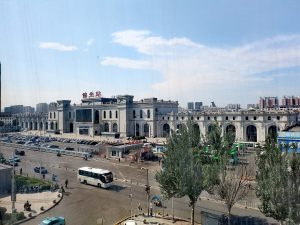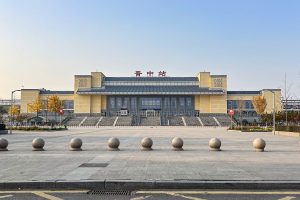
The early train from Beijing slides into Jining West just as the morning mist lifts off the Grand Canal. Steam rises from a vendor’s pot of beef soup near the station exit, and the air smells of fried dough and diesel. Across the square, an elderly man practices calligraphy with a oversized brush, water darkening the pavement in neat columns. This is the rhythm of the place — unhurried, layered, and deeply rooted in the names every Chinese schoolchild memorizes.
Walking the Confucius Compound in Qufu
Twenty minutes by local bus north of Jining, the walled complex in Qufu spreads across several city blocks. Enter through the Lingxing Gate and you face a procession of courtyards, each more hushed than the last. Cypress trees planted during the Song dynasty tower over the Dacheng Hall, their trunks thick enough that two adults cannot link hands around them. Inside the hall, the statue of Confucius sits on a raised platform, flanked by disciples carved from nanmu wood. The lacquer has darkened to the color of old tea.
Move behind the main hall to the Apricot Pavilion, where tradition says the sage lectured under apricot trees. The original trees are gone, but replacements bloom pink each spring. Few tourists linger here; most cluster at the front for photos. If you continue east past the Stele Pavilion, you reach the Kong Family Mansion — the hereditary residence of Confucius’s direct descendants. The layout follows strict hierarchy: the duke’s quarters in the center, servants’ rooms pushed to the periphery. Look for the “avoidance screen” inside the inner gate, placed so the duke never had to face a visitor directly.
- Arrive by 8 a.m. to beat the tour groups from Jinan.
- Wear flat shoes — the stone flags are uneven and slick after rain.
- Buy the combined ticket at the south gate; it covers the Temple, Mansion, and Cemetery.
- Allow three hours minimum. The Cemetery alone is a 2-kilometer walk under oak canopy.
Mengfu Ancient City: A Living Neighborhood
Back in Jining’s Rencheng District, Mengfu Ancient City sits beside the old canal channel. Unlike many “ancient towns” rebuilt for tourists, this one still houses families who have lived in the same courtyard houses for generations. Narrow lanes follow the original Ming grid. At dawn, you hear the clack of mahjong tiles through open windows and smell fermented bean paste from a kitchen wok. The city wall’s south gatehouse has been restored, but the bricks underfoot are original — worn smooth by centuries of cart wheels and bare feet.
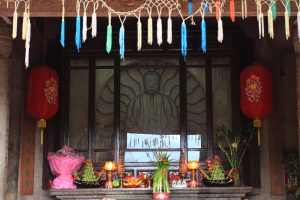
Seek out the Mengzi Temple tucked behind a screen wall on Dongguan Street. It honors Mencius, the “Second Sage,” who was born in nearby Zoucheng. The hall is smaller than Qufu’s, but the spirit tablets are arranged with the same meticulous order. A caretaker may offer to show you the genealogy scrolls if you ask politely and have a Chinese speaker with you. Around the corner, a workshop still produces Mengzhou wood carvings — dragons coiled around ruyi scepters, each piece sanded until the grain glows like amber.
- Enter through the West Gate for the quietest approach.
- Try the maltose pancake from the stall near the Drum Tower — crisp, not sticky.
- Respect laundry lines strung across alleys; they are not props.
- Most shops close for a midday break between 12 and 2 p.m.
Canal Nights and Dai Temple Dawn
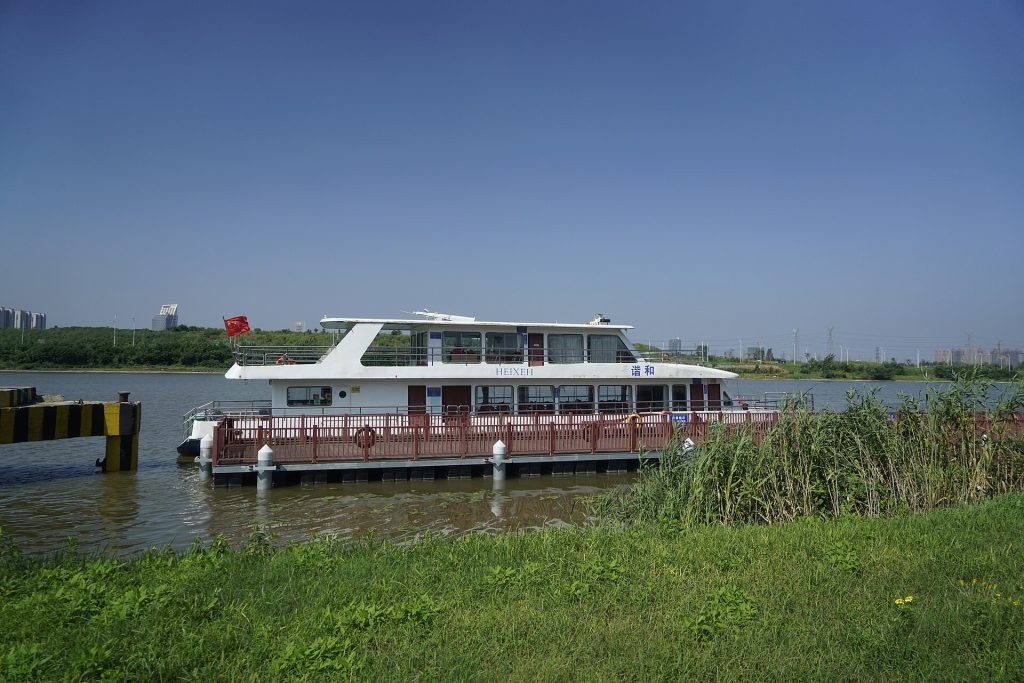
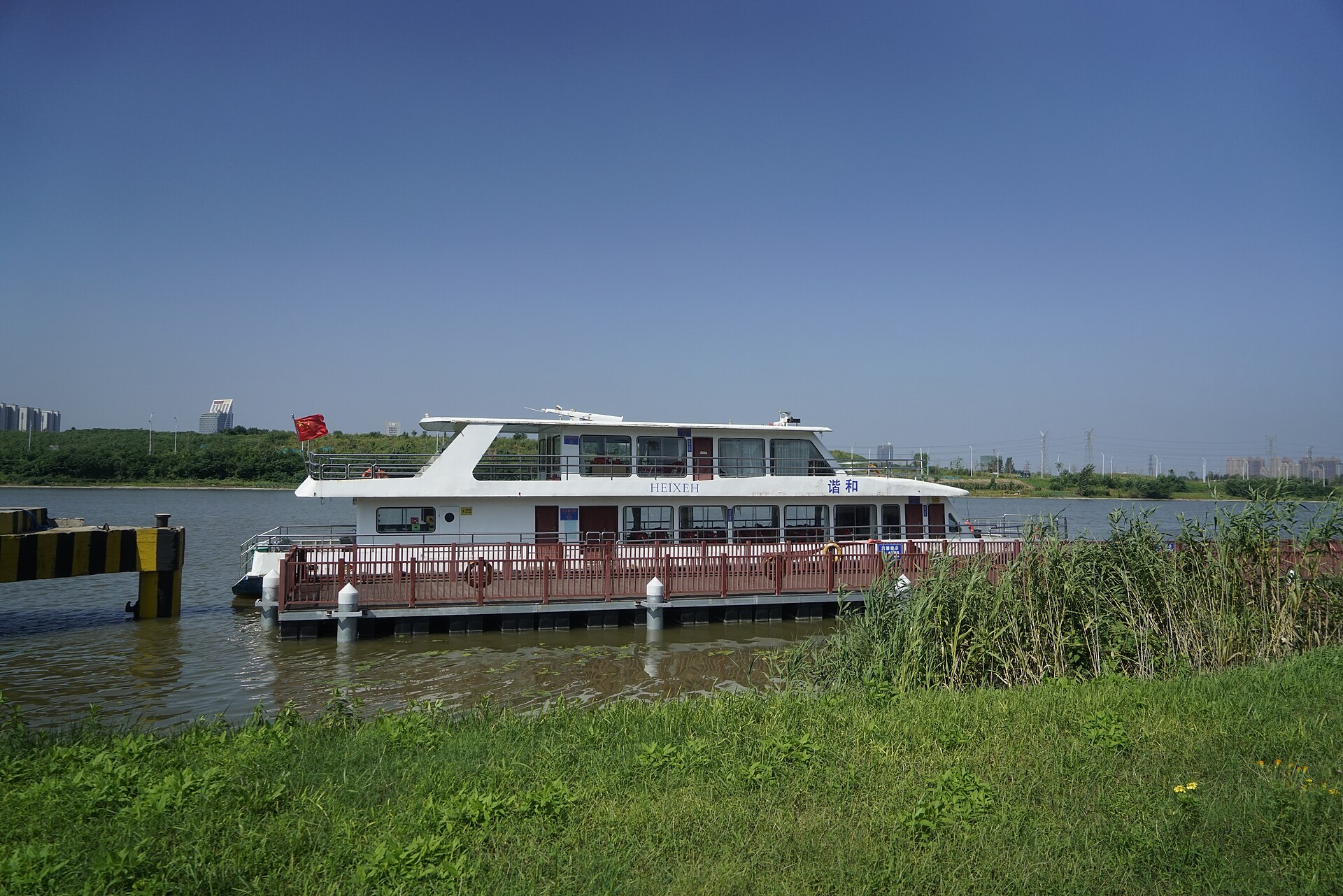
The Beijing-Hangzhou Grand Canal cuts through Jining’s western edge. By day, barges loaded with coal and grain chug past willow banks. By night, the section near the Rencheng Canal Culture Park lights up — red lanterns strung along the promenade, reflection doubling in the water. Locals fish from the stone embankment using long poles; couples share roasted sweet potatoes wrapped in newspaper. A boat ride costs a few dozen yuan and lasts twenty minutes, but the real show is free: sit on the steps with a bottle of Tsingtao and watch the city exhale.
Thirty kilometers southeast, Dai Temple in Zoucheng sits at the foot of Mount Yi. It predates the Confucius Temple by centuries, originally built to worship the mountain god. The main hall houses a Tang dynasty iron pagoda, each tier cast with sutras. Climb the hill behind the temple at first light — stone steps winding through ginkgo groves — and you reach a platform where emperors once performed Fengshan sacrifices. The view stretches across the plain to the Yellow River’s old course. Few foreigners make it here; you’ll share the sunrise with tai chi practitioners and a few pilgrims burning incense.
- Canal park lights switch on at dusk, roughly 6:30 p.m. in autumn.
- Dai Temple opens at 7:30 a.m.; arrive by 7 to catch the gate opening.
- Bring a flashlight for the mountain steps if you go before dawn.
- No English signage at Dai Temple — photograph the Chinese map at the entrance.
Eating in Jining: Bowl by Bowl
Jining cuisine leans salty, savory, and wheat-based. The signature dish is beng rou gan fan — braised pork belly over rice, the meat so tender it collapses under chopsticks. The sauce, reduced for hours with rock sugar, soy, and star anise, coats each grain. A proper version arrives in a coarse ceramic bowl with a side of pickled mustard stems. At Lao Zhang’s near the South Gate, the pork has been simmering in the same master stock for decades. Order the “half fat, half lean” cut; pure fat dissolves, pure lean toughens.
Another staple: jining baozi, steamed buns stuffed with minced pork, scallion, and a spoonful of gelatinized broth that turns to soup when heated. The dough is rolled thin, pleated eighteen times, and steamed over high heat for exactly twelve minutes. Eat them standing at the counter — lift the bun, bite a corner, suck the broth, then devour the rest. For breakfast, locals drink mian cha, a milky tea whisked with millet flour and sesame paste. It looks like thin porridge and tastes nutty, slightly sweet.
- Beng rou gan fan: pork belly, rock sugar, dark soy, star anise, cinnamon, ginger, rice.
- Method: sear pork cubes; add water, spices, sugar; simmer two hours; reduce sauce until glossy; serve over steamed rice with pickles.
- Jining baozi: flour, yeast, warm water; filling of pork mince, scallion, ginger water, aspic cubes.
- Method: knead dough, rest one hour; wrap filling with aspic; pleat; steam high heat twelve minutes.
- Mian cha: millet flour, boiling water, sesame paste, salt, peanuts.
- Method: whisk flour into water until smooth; simmer three minutes; stir in sesame paste; top with crushed peanuts.
What Newcomers Get Wrong
First-time visitors often treat Jining as a day trip from Qufu, rushing through the Temple and Mansion before the last bus. They miss the canal at night, the woodcarver’s chisel in Mengfu, the old man grinding ink at the station. Another mistake: assuming English works at ticket windows. It rarely does. Carry a screenshot of your destination in Chinese characters — 济宁, 曲阜, 孟府, 岱庙 — and show it to taxi drivers. Download an offline map; cell service drops in the Cemetery’s deeper paths.
Timing trips around the lunar calendar changes everything. The Confucius birthday ceremony on the 27th day of the eighth lunar month draws thousands — scholars in robes, students bowing three times, the air thick with sandalwood. Hotels triple in price. Conversely, the weeks after the Mid-Autumn Festival are quiet; you might have the Apricot Pavilion to yourself. Winter brings bitter wind off the plain, but also steaming bowls of lamb soup in alley stalls, the broth milky with bone marrow. The city reveals itself in layers. Stay long enough to peel a few.
- Learn to say “wǒ yào qù…” (I want to go to…) plus the Chinese name.
- Carry small bills — vendors rarely break a hundred for a five-yuan snack.
- Public toilets in scenic areas provide tissue; carry your own elsewhere.
- If invited to a family meal, leave a little food in your bowl — cleaning it implies the host didn’t serve enough.