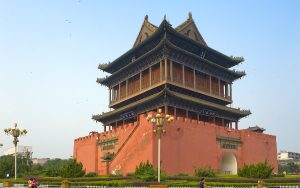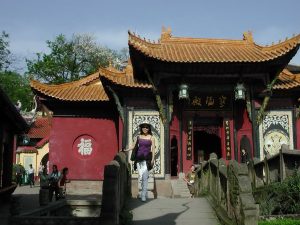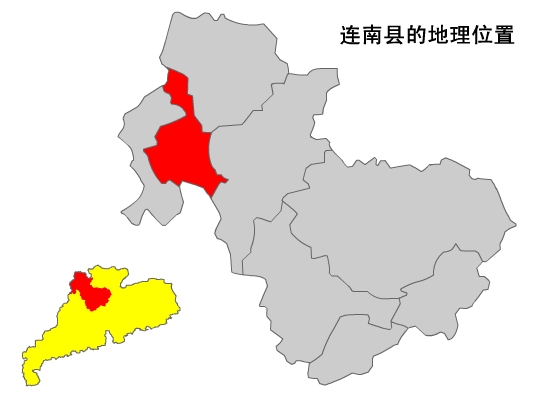
The minibus shudders to a halt on Shunde Avenue, doors folding open onto air that tastes of pine resin and damp stone. Liannan sits in a fold of the northern Guangdong mountains, a county seat so quiet you can hear the creek running behind the bus station from fifty meters away. There is no skyline here, just ridges stacked against the sky, and the occasional flash of indigo fabric as a Yao woman crosses the square carrying a bamboo basket. You have come for the culture, but the landscape insists on being noticed first.
Getting There and Moving Around
Most travelers arrive via the Liannan Bus Station on Shunde Avenue, a low concrete building where tickets are sold through a grilled window and the departure board is handwritten in chalk. Buses run from Guangzhou’s provincial station and from Qingyuan city; the ride from Guangzhou takes about four hours, winding through tunnels and over viaducts that make your ears pop. If you are coming from the high-speed rail network, the nearest stop is Qingyuan Station — from there, a connecting bus or a hired driver covers the last ninety kilometers of mountain switchbacks.
Once in the county seat, the action fits inside a two-kilometer radius. The bus station, the main cluster of hotels, the Yao Museum, and the Panguwang Culture Garden all sit within a twenty-minute walk of each other. Taxis are few — usually three or four sedans idling near the station — and ride-hailing apps work sporadically because driver density is low. For the outlying villages, you need wheels. The simplest arrangement is to negotiate a day rate with a taxi driver at the station; expect to pay for the round trip plus waiting time. If you speak some Mandarin, ask the driver to wait at the village entrance while you walk the stone lanes; most will agree if the price is settled before the engine starts.
Guangdong Yao Museum: The Quiet Archive
Two kilometers south of the bus station, Bowuguan Road climbs a gentle slope to the Guangdong Yao Museum. The building is modern, faced with grey stone, and surrounded by a courtyard of camphor trees. Inside, the collection is arranged by theme rather than chronology: bronze drums the size of washbasins, silver headdresses weighed down with coins and bells, indigo-dyed jackets stitched with geometric patterns that map clan lineage. Labels are in Chinese and English, but the English captions are terse — “Women’s ceremonial jacket, 19th century” — so you linger over the objects themselves, reading the wear on a spindle whorl or the patina on a ritual knife.
The museum closes on Mondays. Admission is free, but you must show a passport or ID card at the gate to collect a paper ticket. Allow ninety minutes if you read every panel; an hour if you move at a drift. The staff are polite but not accustomed to foreign visitors — they may follow you at a respectful distance, ready to lock the exhibition halls behind you when you leave. Photography is permitted without flash. The gift shop sells postcard sets and a thin bilingual catalogue; the postcards are the better buy.
Nangang Yao Village: Stone Lanes and Smoke
Twenty-five kilometers south of the county seat, the road narrows to a single lane paved with worn asphalt. Nangang clings to a terrace halfway up a valley wall, its houses built of grey fieldstone with slate roofs weighted by stones. There is no ticket booth, no turnstile. You park in a gravel lot beside a stream and walk up a flagstone path that passes under a wooden gate carved with totemic birds. Inside, the lanes are narrow enough that two people cannot walk abreast without turning sideways. Smoke curls from kitchen vents — pork belly curing over pine branches, tea leaves roasting in iron woks.
Villagers go about their routines: an elderly man splitting firewood with a maul, women sorting rice on bamboo trays, a teenager scrolling a phone on a stone doorstep. If you pause near a doorway, someone may invite you in for a cup of oil tea — a savory broth of pounded tea leaves, puffed rice, peanuts, and scallions, drunk from a small bowl with a wooden spoon. Accept with both hands. The flavor is bitter, nutty, and salty all at once. There is no menu, no price. A small red envelope with twenty yuan placed on the table when you leave is understood, not requested.
- When to go: Early morning, before the tour minibuses from Guangzhou arrive around ten. The light in the lanes is softer then, and the smoke hangs lower.
- Footwear: Rubber-soled shoes with grip. The flagstones are polished smooth by generations of feet and turn treacherous when wet.
- Photography: Ask before pointing a camera at people. A nod and a smile usually suffice; a raised hand means no.
- Cash: Bring small denominations. No mobile payment codes are displayed in the village.
Panguwang Culture Garden: The Evening Show
Back in the county seat, the Panguwang Culture Garden sits behind a low wall on the east side of town. By day it is a park of stone tablets and bronze sculptures depicting the Yao creation myth — Pangu separating heaven and earth with a chisel. At seven-thirty each evening, the open-air stage lights up for a ninety-minute performance. Tickets are sold at a booth near the gate; the price is modest, around forty yuan. Seating is on stone benches, so bring a cushion or a folded jacket.
The program moves through drum dances, bronze-bell choruses, and a courtship ritual where young men and women toss embroidered balls across the stage. The singers use a pentatonic scale that sounds neither fully major nor minor, and the drums are played with bare hands, producing a hollow thump you feel in your ribcage. There are no surtitles. The narrative is conveyed through gesture and costume: red sashes for marriage, white hemp for mourning, silver bells for the mountain spirits. Tour groups from the cities fill the front rows, filming on phones. Locals sit farther back, quiet, mouths moving with the lyrics they have known since childhood.
- Arrive by 7:00 pm to claim a seat with a sightline to the stage; the benches fill quickly.
- Dress warm. Even in summer, the mountain night drops ten degrees after sundown.
- No flash photography during the performance — the drummers are distracted by it.
- Stay for the finale. The cast lines up at the edge of the stage and invites the audience to join a simple circle dance. Step in if you are pulled; step back politely if you prefer to watch.
Sleeping, Eating, and the Language Gap
The Lin Nan International Hotel dominates the block nearest the bus station. Its lobby is marble and chandeliers, rooms are spacious with heavy curtains and bathtubs, and the breakfast buffet includes steamed buns, pickled mustard greens, and a noodle station where a cook pulls dough into ribbons before your eyes. Rates hover around the high two-hundreds per night — more than a standard chain, but the hot water pressure and the soundproofing justify it after a day on mountain roads. English at the front desk is limited to “passport,” “key,” and “breakfast.” Have your destination written in Chinese characters on your phone for the taxi driver.
Dining options cluster within three blocks of the hotel. A Cantonese place on the corner does a competent white-cut chicken and a clay-pot rice with cured sausage. A Hunanese stall serves fried pork with green chilies that arrive smoking on a cast-iron plate. The Yao specialty — oil tea with glutinous rice cakes — is mostly a home dish; you will not find it on restaurant menus unless you ask the owner a day ahead. If you are invited to a family meal, the table will hold: a whole steamed fish with ginger and scallion, a plate of stir-fried bitter melon, a bowl of pickled bamboo shoots, and a communal pot of rice. Chopsticks are placed vertically in the rice bowl only for the dead; lay them across the rest when pausing.
- Ordering: Point at a dish on a neighboring table and say “yí gè zhè ge” (one of that). Carry a photo of the Chinese characters for any dietary restriction.
- Water: Tap water is not drunk locally. Bottled water is sold in every convenience store; the hotel provides two complimentary bottles daily.
- Payment: Mobile pay works in the hotel and larger restaurants. Small shops and village homes take cash only.
What Newcomers Get Wrong
The first mistake is treating Liannan as a day trip from Guangzhou. The travel time eats twelve hours round trip, leaving you rushed at the museum and breathless in Nangang. Stay one night. The second mistake is expecting English signage. Beyond the museum’s main panels, there is none. Download an offline translation app and photograph the Chinese names of your destinations before you leave the hotel. The third mistake is packing light for “southern China.” The elevation here reaches six hundred meters; nights are cool year-round, and rain falls in sheets that soak a thin jacket in minutes. Bring a windproof layer and waterproof shoes.
The fourth mistake is photographing the bronze drums in the museum with flash — the sensors trigger an alarm and a guard materializes beside you. The fifth is declining the oil tea in a village home. It is not a beverage; it is a gesture of inclusion. Drink two sips, set the bowl down with both hands, and say “hǎo hē” (tastes good). The host will refill it once. The third refill signals the visit is ending. Rise, bow slightly, leave the red envelope, and walk back down the stone lane as the smoke follows you out of the valley.