The minibus shuddered to a halt on a dusty pull‑out just past the toll gate, and the driver jerked a thumb toward a weathered stone archway. Through it, the Yellow River glittered like a sheet of hammered copper, while the Qinling ridges rose behind it, their pine‑cloaked slopes fading into mist. A vendor at the archway was already slicing steamed buns, steam curling into the cool morning air. That first breath — river silt, pine resin, diesel fumes — told me Lingbao would not be a polished showcase but a working crossroads where history still earns its keep.
Getting There
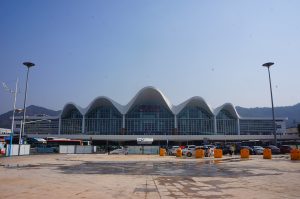
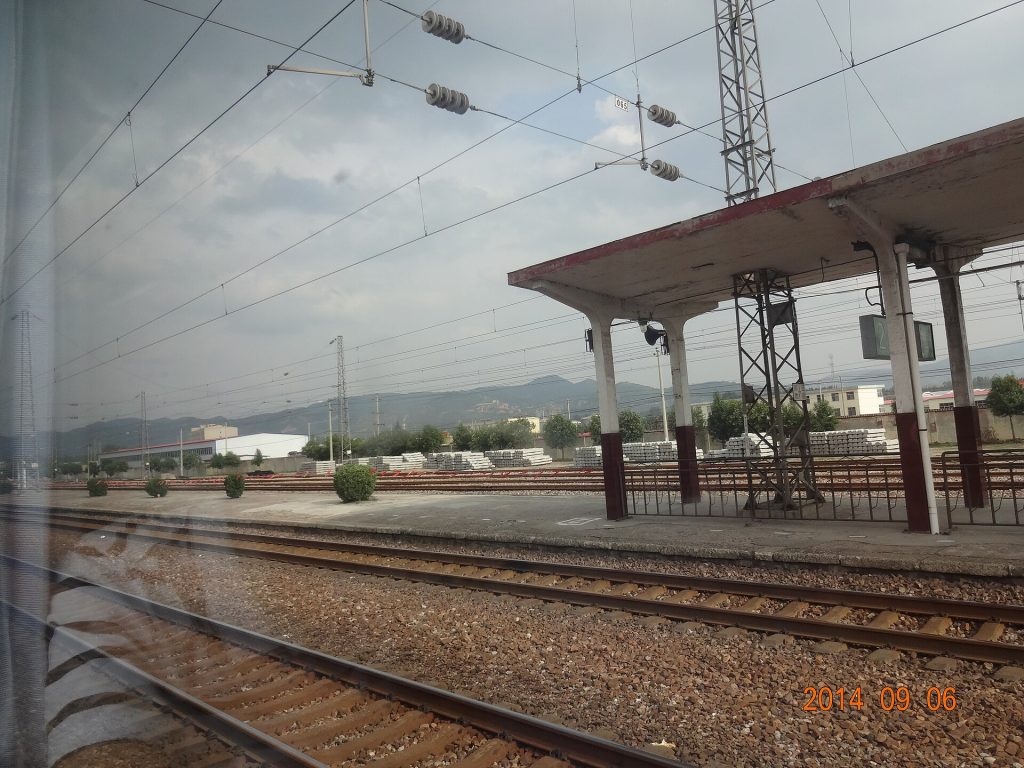
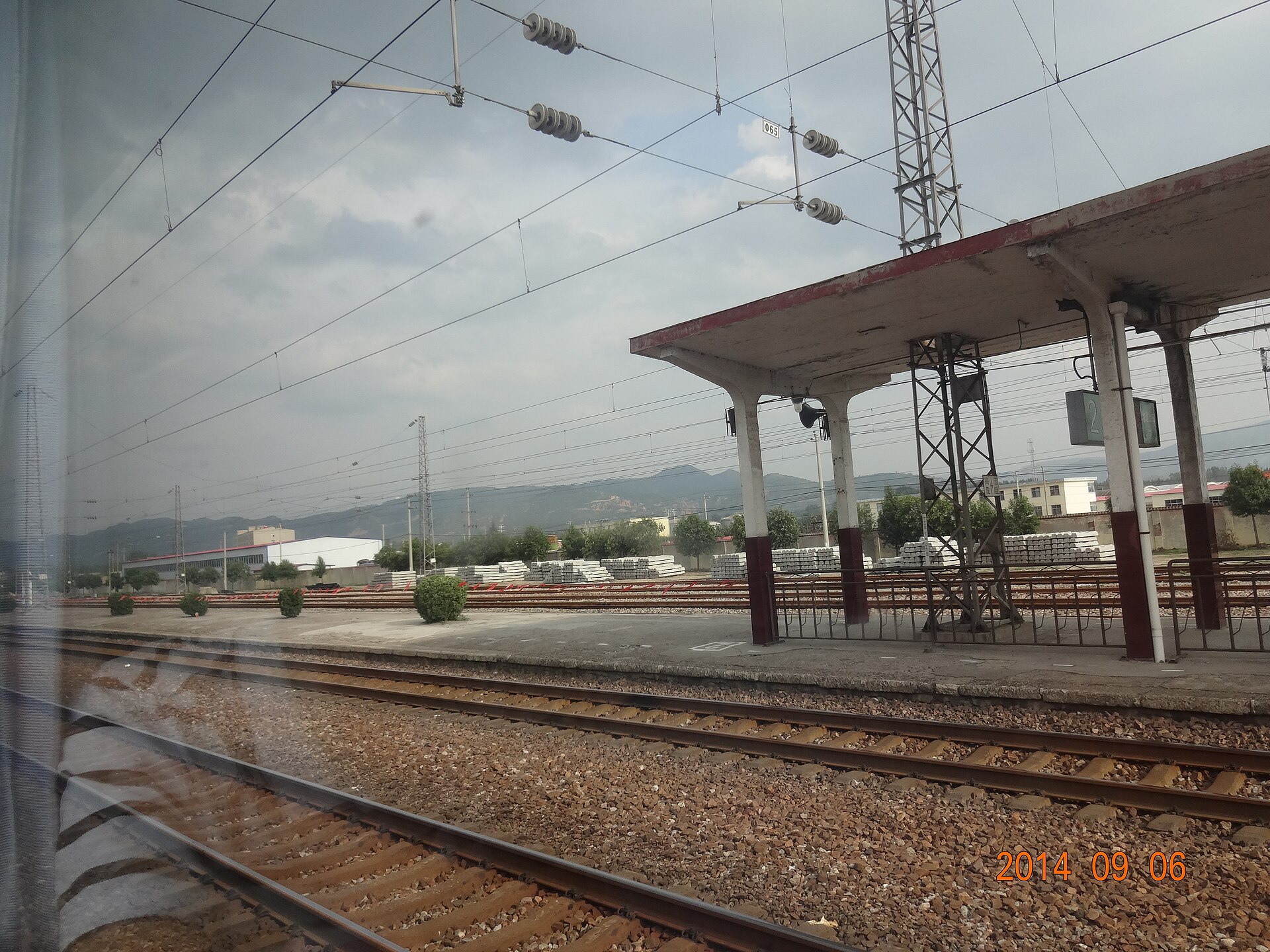
Most travelers arrive by rail. The old Lingbao Railway Station sits right in town, its brick facade dating back to the late 1920s; slow trains from Luoyang and Xi’an still pull in here, and the square outside hums with three‑wheeled taxis and noodle stalls. For speed, head to Lingbao West, the high‑speed stop on the Zhengzhou–Xi’an line. It lies a few kilometers east of the center in Xiyan Township — catch bus 101 or a ride‑hail car for the ten‑minute run to your hotel. If you’re driving, the G30 Lianyungang–Khorgas Expressway slices straight through the city, and the Yellow River Bridge offers a dramatic entry point at dawn.
Where to Sleep
Chain hotels cluster around the west station and the downtown People’s Road area — clean rooms, reliable hot water, English‑speaking front desk staff. For something quieter, look for a family‑run guesthouse in the lanes behind the old Drum Tower. The owners often dry persimmons on the balcony and will share a pot of millet porridge at sunrise. Book a room with a south‑facing window; the winter sun warms the brick walls, and you’ll hear the river wind rather than traffic.
Two Days on the Ground
Day One — River and Pass. Start early at Hangu Pass, the ancient gateway where the Qin state once guarded the Yellow River crossing. The reconstructed gatehouse sits atop a steep stairway; climb it for a panorama of the river bending north toward the Loess Plateau. Below, a narrow trail follows the old post road — wear sturdy shoes, the stones are slick with moss. Midday, walk back into town for a bowl of hand‑pulled noodles topped with lamb broth and chili oil at the stall opposite the municipal library. Afternoon: rent a shared bike and ride the riverside promenade to the Yellow River Wetland Park. Boardwalks thread through reed beds where egrets stalk; in late autumn the reeds turn gold and the path feels endless. Sunset drinks at the small café on the park’s western edge — order the sour plum tea, served in a thick ceramic bowl.
Day Two — Mountain and Market. Catch the 7:30 am minibus from the old station to Yao Mountain Scenic Area. The road switchbacks through walnut orchards; at the halfway pavilion, an elderly woman sells roasted sweet potatoes wrapped in newspaper. The summit temple complex is modest — three halls, a bell tower, a courtyard of ginkgo trees that drop fan‑shaped leaves in the tenth lunar month. Spend two hours wandering the incense‑scented corridors, then descend for lunch at a farmhouse in the valley: braised pork belly with pickled mustard greens, steamed corn buns, and a jar of homemade millet wine. Return to the city by mid‑afternoon. Spend your last hours in the night market on West Street — skewers of cumin‑dusted lamb, grilled tofu skins, candied hawthorn on sticks. Eat standing, elbows bumping locals finishing their shift.
Eating Like a Local
Lingbao cuisine leans salty, sour, and heavy on wheat. The signature dish is huimian — wide hand‑shaved noodles swimming in a murky lamb broth, crowned with a spoonful of chili paste and a tangle of cilantro. Breakfast often means guokui, a crusty sesame‑seeded flatbread baked in a clay oven, split open and stuffed with scrambled egg and fermented bean curd. For a snack, hunt down liangpi — cold wheat‑starch ribbons tossed with vinegar, garlic, chili oil, and shredded cucumber. Vegetarians should ask for the “plain” version; many stalls automatically add shredded pork.
- Huimian broth base: lamb bones, ginger, scallion, star anise, cassia bark, simmered six hours.
- Noodle dough: high‑gluten flour, water, pinch of salt; rested thirty minutes, then hand‑shaved into boiling water.
- Chili paste: dried erjingtiao chilies, garlic, Sichuan peppercorn, hot oil poured over, stirred until fragrant.
- Assembly: ladle broth into bowl, add cooked noodles, top with chili paste, cilantro, and a drizzle of sesame oil.
In restaurants, point to the picture menu and say “da wan” for a large bowl. Don’t ask for less chili — the kitchen will think you want a different dish. If you’re invited to a family meal, wait for the host to lift their bowl before you start; leaving a few noodles at the bottom shows you’re satisfied, not wasteful.
Cultural Beats and Common Missteps
Locals measure distance in “li” and time by the lunar calendar. The tenth lunar month brings the Ginkgo Festival at Yao Mountain — villagers hang red lanterns on the ancient trees, and opera troupes perform on a temporary stage beside the bell tower. If you visit then, bring cash for donations; the donation box sits at the temple entrance, and skipping it is noticed. During the spring Qingming period, families sweep ancestral tombs on the hills north of the city; the roads clog with minivans carrying incense, paper money, and roast chicken. Give them space — don’t park on the shoulder to take photos.
Newcomers often assume Mandarin works everywhere. In the market alleys, vendors speak a thick Zhongyuan dialect; numbers and prices can sound unrecognizable. Carry a small calculator or use your phone screen to show digits. Another mistake: treating the Yellow River bank as a beach. The current is deceptively strong, the mud banks collapse without warning, and locals never swim here. Stick to the paved promenade. Finally, don’t tip in restaurants — service charges are included, and leaving coins on the table confuses the staff.
Practical Tips
- Cash is still king in small eateries and market stalls; keep a stack of 20‑yuan notes.
- Public toilets: look for the blue “WC” signs near bus stations; carry your own tissue.
- Internet: buy a local SIM at the telecom kiosk inside the old railway station — 30 yuan for a week of data.
- Language cheat sheet: “多少钱” (duōshao qián — how much), “不要辣” (búyào là — no chili), “发票” (fāpiào — receipt).
- Emergency: dial 110 for police, 120 for ambulance; the city hospital on People’s Road has an English‑speaking nurse on day shift.
Lingbao doesn’t hand you a curated experience. It hands you a bowl of steaming noodles, a steep stairway, a river that has carried empires, and the quiet satisfaction of figuring it out on your own terms. Take the time to watch the light shift on the water from the old bridge — that’s the souvenir you’ll carry home.