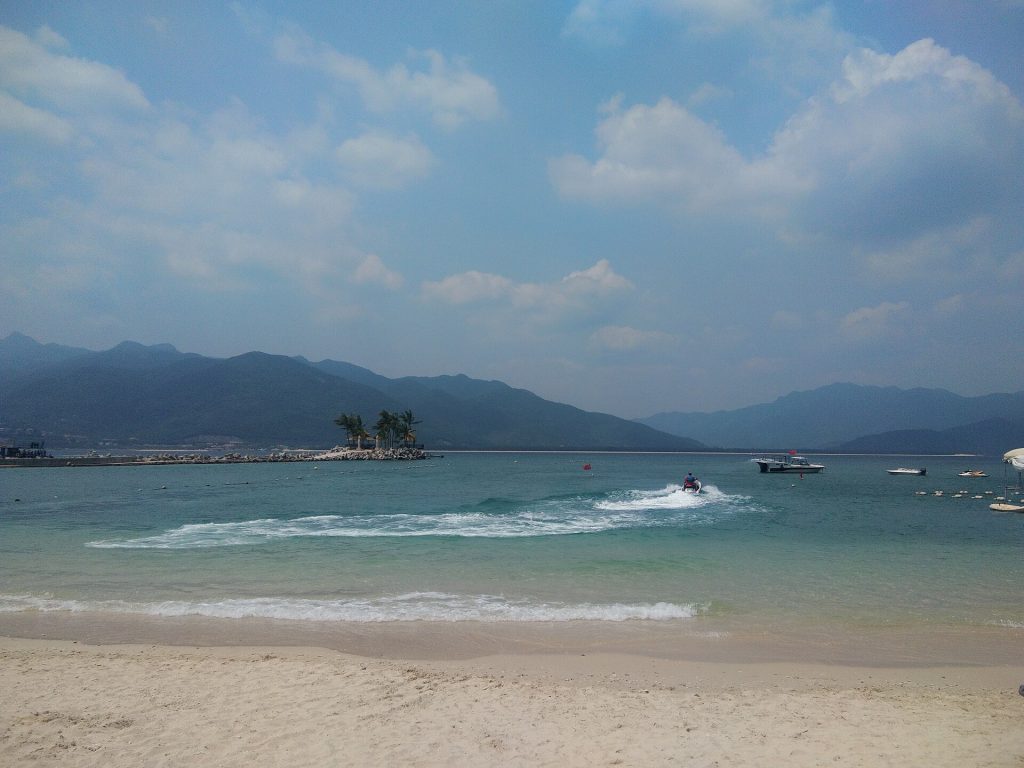
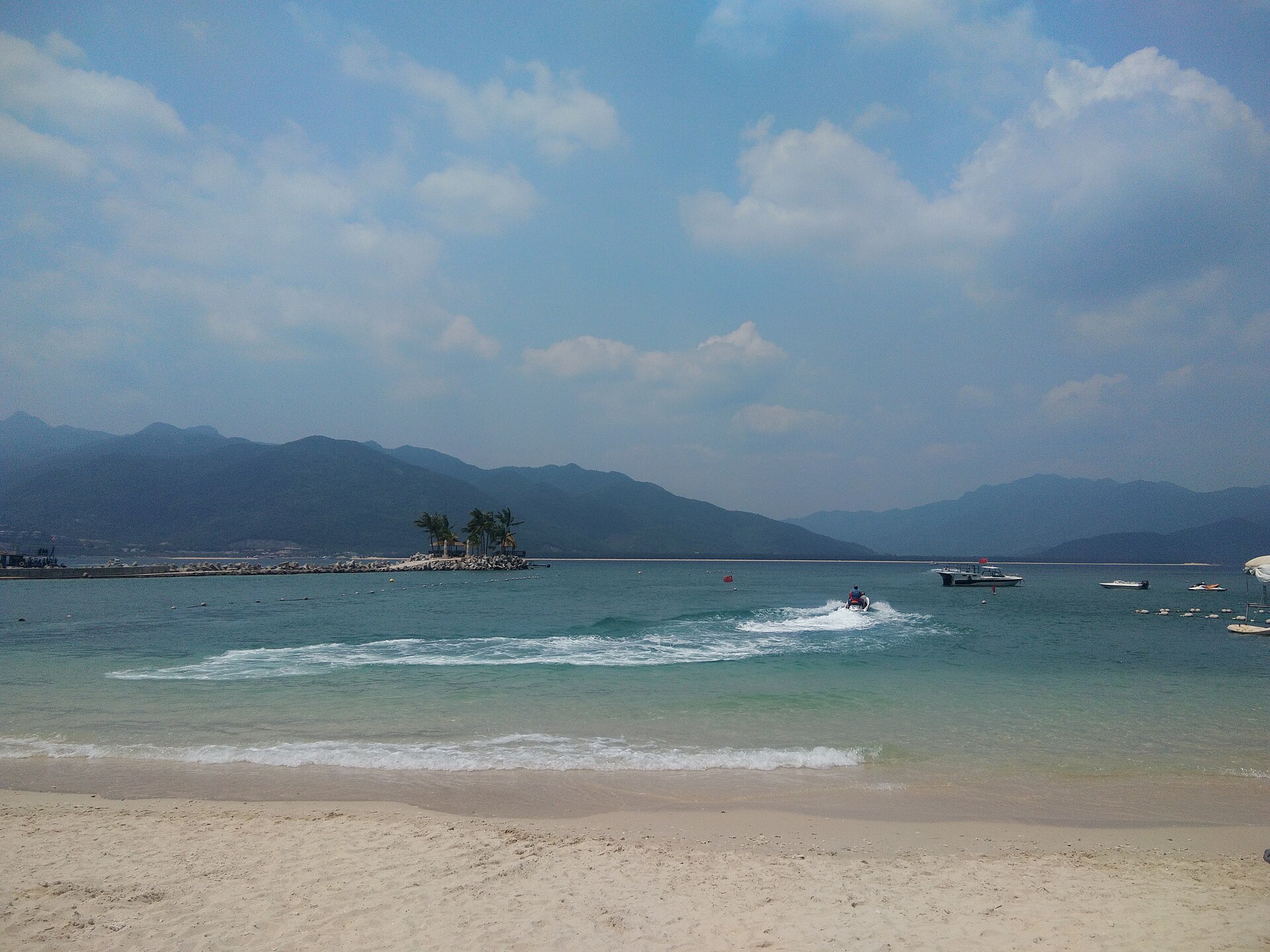
The motorbike slows at the top of the ridge and the South China Sea unrolls below, a sheet of pale jade stitched with white foam. No high-rises block the view, no jet-skis carve the surface. Down the slope, a single row of casuarinas shades a beach where the only footprints belong to crabs and the occasional fisherman hauling a net at first light. This is Lingshui — Hainan’s quiet shoulder, where the island still feels like an island.
Getting There Without the Hassle
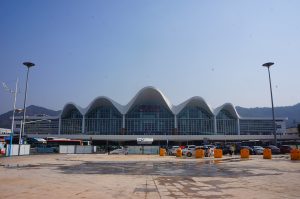
The high-speed rail line stitches the whole eastern coast together. From Haikou’s Meilan Airport, the ride to Lingshui Station takes about seventy-five minutes; from Sanya’s Fenghuang Airport it’s barely half an hour. Trains run every twenty minutes or so from dawn until late evening, and the announcements flip between Mandarin and English. Buy tickets on the 12306 app or at the station machines — passport required. If you land late and the last train has gone, the bus station sits right next door; overnight sleepers from Haikou’s main depot still roll in before sunrise.
- Grab a taxi from the station forecourt — meters start around ten yuan — or hail a Didi for the short hop to your hotel.
- Renting a car? The coastal expressway (G98) is smooth, but mountain roads inland narrow to a single lane in places; allow extra time.
- Scooters are everywhere. Shops near Yelin’s main square rent 125 cc bikes for roughly eighty yuan a day; bring your passport and an international driving permit.
Where to Drop Your Bag
Yelin town itself is practical — wet markets, hardware stores, a clutch of noodle shops — but most visitors base themselves on the coast. The stretch between Tufu Bay and Xiangshui Bay holds the densest cluster of resorts. International brands sit beside Chinese chains; rooms with sea-view balconies typically open in the four-to-six-hundred-yuan range during the off-season, doubling when the lunar new year crowds arrive. Quieter still, the fishing village of Xincun sits on a sheltered inlet where stilt houses hover over oyster beds. Guesthouses there run a hundred yuan for a clean fan room, and the host will likely invite you to the evening card game on the porch.
- Book direct through the hotel’s WeChat mini-program for free breakfast and late checkout; third-party sites often block those perks.
- If you want a kitchen, search “海景公寓” (sea-view apartment) on Xianyu or Xiaohongshu — locals sublet monthly when they’re away.
- Avoid the “homestays” advertised on the highway billboards; many are unlicensed converted garages with shared bathrooms.
Beaches That Still Breathe
Tufu Bay curves like a comma, its sand coarse and golden, good for long walks but tricky for swimming when the northeast monsoon kicks up chop. Lifeguards patrol only the central hundred meters from late spring to early autumn. Walk ten minutes north past the headland and you hit Qingshui Bay — clearer water, finer sand, and a reef that keeps the waves gentle enough for toddlers. The reef also means snorkeling straight off the beach; bring your own mask, rental shops are scarce. For solitude, ride the dirt track to the back of Nanwan Monkey Island’s peninsula. The beach there has no name, no vendors, and at low tide you can wade to a sandbar where hermit crabs scuttle over your toes.
- Jellyfish appear after heavy summer rains; locals rub vinegar on stings — keep a sachet in your beach bag.
- Sun loungers belong to the nearest hotel; if you’re not a guest, buy a coconut (fifteen yuan) and they’ll usually let you borrow one.
- Trash bins are rare. Carry a zip-lock bag for your own waste and any plastic you spot — the tide brings in plenty.
Inland: Mountains, Monkeys, and a River Market
Turn off the coast road at the sign for Diaoluo Mountain and the air cools fast. The park’s boardwalk climbs through rubber plantations into primary rainforest; gibbons call from the canopy around 7 a.m. and again at dusk. Allow three hours for the loop to the waterfall pool — slippery rocks, so wear closed shoes. Halfway down, a Li family runs a bamboo-table restaurant serving wild bitter greens stir-fried with garlic, steamed river fish with fermented black beans, and rice cooked in bamboo tubes. Pay cash, no menu, portions sized for farmhands.
Nanwan Monkey Island is technically a peninsula reached by China’s longest over-water cable car (two thousand meters, five minutes). The macaques are habituated — they’ll unzip your backpack for a peanut — so stash food in the locker at the base station. The real show is the Li village at the far end: elders weaving li brocade on backstrap looms, the pattern memorized, not written. They’ll sell a coaster-sized piece for fifty yuan; a full wall hanging runs into thousands. Bargaining is expected but lowball and they’ll simply smile and pack up.
- Cable car runs 8:30 a.m. to 5 p.m.; last car down often leaves early if wind picks up.
- Mosquitoes in the forest are relentless — DEET or lemon-eucalyptus oil, reapply after sweating.
- River market at Xincun starts at 5 a.m. Boats unload live grouper, mantis shrimp, and sea grapes; go with a local friend who knows which stall sells the freshest.
Eating Like a Local
Lingshui’s signature dish is sour rice noodles (酸粉, suan fen). The broth is a clear, lip-puckering stock boiled from pickled bamboo shoots, dried shrimp, and chili oil. Thin rice vermicelli arrives in a bowl topped with shredded green papaya, crushed peanuts, cilantro, and a spoonful of chili paste you stir in yourself. Best eaten squatting on a plastic stool at the alley stall behind Yelin’s bus station — order “大碗少辣” (large bowl, less spice) if your tolerance is untested. Seafood hotpot in Xincun uses a clay pot, clear broth, and whatever the tide brought in: flower crab, razor clams, mantis shrimp. Dip each piece in a sauce of minced garlic, soy, lime juice, and bird’s-eye chili.
- Breakfast: rice noodle rolls (肠粉) steamed fresh, drizzled with sweet soy and sesame oil — find the cart with the longest line of delivery drivers.
- Fruit: wax apple (莲雾) in late spring, mangoes in early summer, dragon fruit year-round. Vendors slice and bag it with a wooden fork for five yuan.
- Coffee: skip the resort lobby. A hole-in-the-wall on Yelin’s Renmin Road pulls espresso from Yunnan beans for twelve yuan; the owner roasts weekly.
What Trips Up First-Timers
Assuming English works everywhere. Outside the big resorts, menus are Chinese-only and staff speak Hainanese or Li dialect. Download a photo-translator app and screenshot the dishes you want before you leave wifi. Underestimating the sun. The latitude is eighteen degrees north; UV index hits extreme by 10 a.m. even in winter. A wide-brim hat and reef-safe sunscreen aren’t optional. Overpacking the itinerary. Lingshui rewards slowness — a morning swim, a long lunch, an afternoon nap in a hammock, a night market stroll. Trying to tick off Diaoluo, the monkeys, and three beaches in one day leaves you sweaty and resentful. Finally, skipping cash. Mobile pay dominates, but the best stalls, the mountain restaurant, the cable-car ticket window when the signal drops — they all want red notes.
- Carry a hundred yuan in small bills (tens and twenties) for market snacks and toilet tips.
- Learn three phrases: “多少钱” (how much), “不要辣” (no chili), “买单” (check please).
- Respect the “quiet hours” signs at beach resorts — generators cut at 11 p.m., and neighbors hear everything.