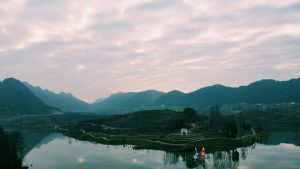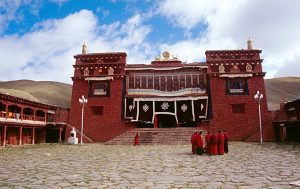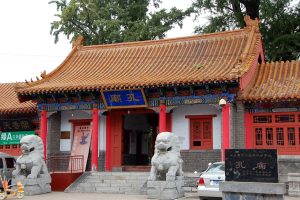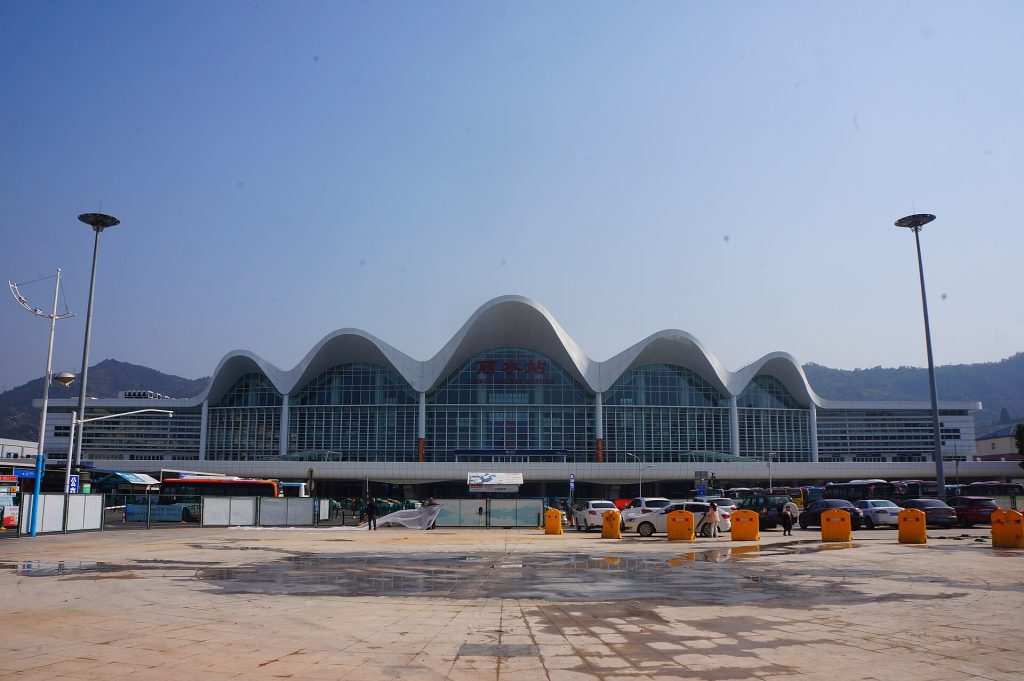
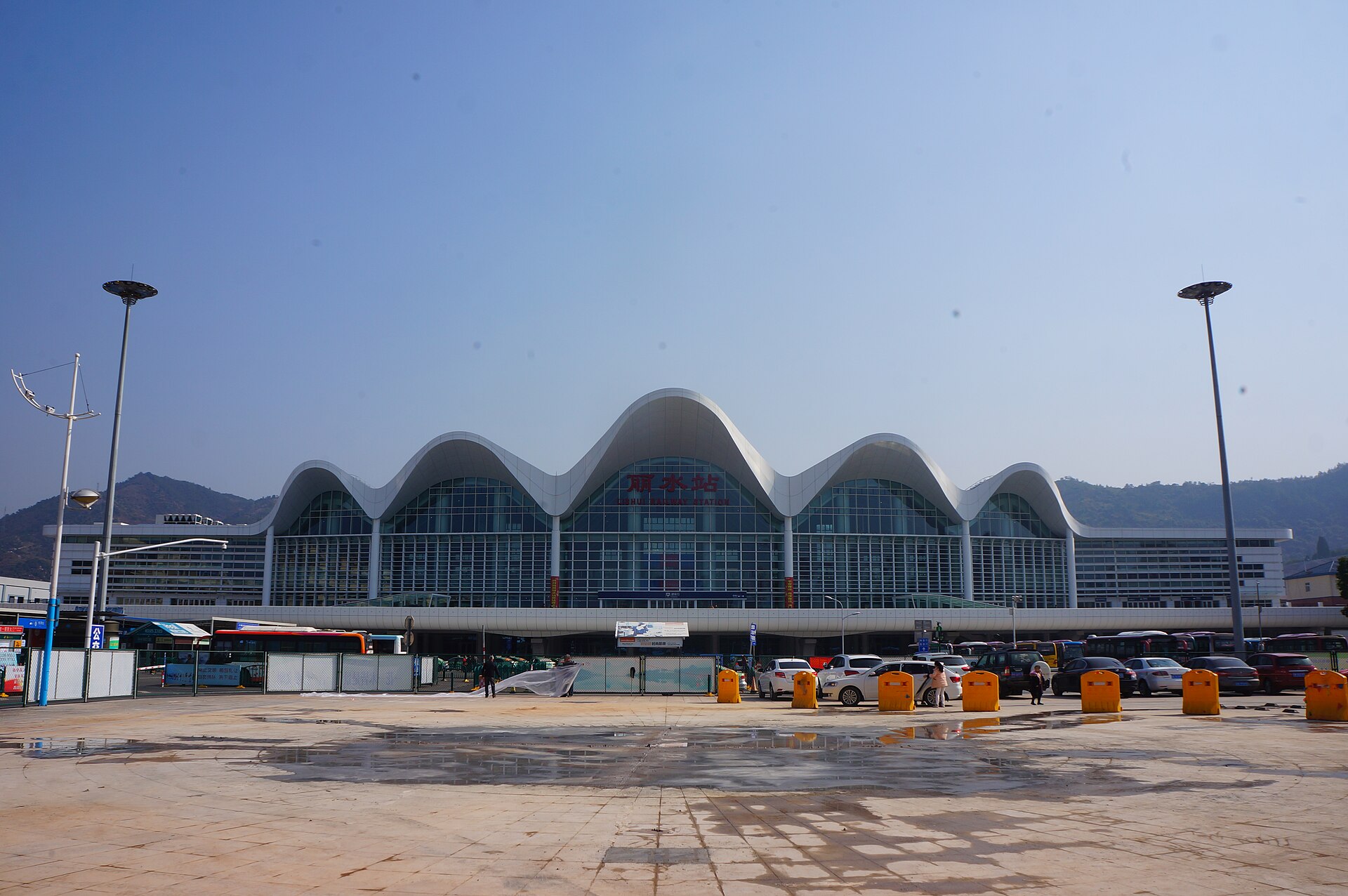
The train slides into Lishui station just as the morning mist lifts off the Ou River, revealing limestone ridges that look like ink brushstrokes against the sky. A vendor on the platform shouts for the last of his steamed buns, steam curling from the bamboo basket into the cool air. I step onto the concourse, pull my suitcase toward the taxi queue, and watch the city wake up — delivery scooters weaving past cyclo-rickshaws, an elderly couple setting up a stall of dried bamboo shoots beside the station forecourt. This is the gateway to southern Zhejiang’s mountain country, where the rails end and the narrow valley roads begin.
Getting there and moving around
High‑speed trains from Hangzhou East pull into Lishui in about ninety minutes; from Shanghai Hongqiao the ride stretches to three hours. The station sits southeast of the old town, a ten‑minute drive through a tunnel that opens onto the riverfront boulevard. Taxis line up outside — flag‑fall is modest, and most drivers know the main scenic zones by name. If you prefer two wheels, shared e‑bikes cluster near Exit 2; scan the QR code, unlock, and glide along the dedicated lane that follows the Ou River north toward the ancient city wall.
For the mountain villages — Yunhe, Qingyuan, Songyang — the most flexible option is a hired car with a local driver. The county bus network reaches every township, but schedules thin out after mid‑afternoon, and the winding roads add an hour to every leg. I once waited forty minutes at a township stop while a fog bank settled over the pass; the driver who picked me up later knew exactly which hairpin turns ice over first in winter. Keep a printed Chinese address for your guesthouse; village lane names rarely appear on map apps.
Where to sleep: riverside lanes or terraced courtyards
In the old town, a row of renovated shikumen houses lines Zhongshan Street, their wooden lattices painted charcoal. Rooms open onto a shared courtyard where a persimmon tree drops fruit onto the stone tiles in autumn. The host, a retired schoolteacher, brews tieguanyin in a gaiwan at 6 a.m. and slips a bowl of hand‑rolled wontons across the counter before the first tour bus arrives. Prices rise during the spring tea harvest and the autumn photography festival, so book a month ahead if your dates are fixed.
Up in Yunhe’s terraced valleys, family‑run guesthouses perch on stone platforms carved into the hillside. You fall asleep to the sound of irrigation water slipping through bamboo pipes and wake to a sea of cloud trapped below the ridge. Most have squat toilets and solar water heaters — ask before you book if you need a Western shower. Meals are included: a cast‑iron pot of rice, stir‑fried wild greens with garlic, and a bowl of fermented bean curd soup that tastes of smoke and time.
Eating: market stoves and mountain kitchens
Breakfast in the city starts at the intersection of Kuocang Road and the river promenade. A woman in a blue apron ladles rice porridge into porcelain bowls, tops each with shredded ginger, pickled mustard stem, and a drizzle of sesame oil. Next to her, a wok hisses with chive‑stuffed dough pockets — crisp on the bottom, steam‑soft on top. Grab two, fold them in a square of wax paper, and eat standing while watching koi breach in the canal.
For lunch, follow the delivery workers to a second‑floor canteen above a hardware shop. The menu is a chalkboard: braised bamboo shoots with pork belly, river shrimp tossed in fermented chili, cold kelp salad dressed with vinegar and crushed garlic. Order the “three‑treasure rice” — rice, diced ham, shiitake, and preserved radish steamed together in a clay pot. The crust that forms on the bottom, golden and nutty, is the part everyone fights for.
Dinner in the villages is a communal affair. The host family spreads dishes on a square table: whole steamed fish with ginger‑scallion oil, stir‑fried fiddlehead ferns, a bowl of blood tofu cubes in chili broth, and a plate of smoked tofu skin rolled around pickled radish. Rice arrives in a wooden bucket; you serve yourself with a bamboo paddle. Drink the local rice wine — low alcohol, slightly sweet, served warm in tiny porcelain cups. Refusing a toast is polite once; after that, the host will keep pouring.
Things to do: ridges, rivers, and paper‑cut windows
Start with the Yunhe Terraces. Arrive before sunrise; the east‑facing paddies catch the first light, turning each flooded step into a mirror. A narrow footpath winds through the tiers — wear grippy shoes, the stone slabs are slick with algae. Halfway up, an old farmer tends a tea bush; he’ll wave you over, pour a cup of high‑mountain oolong from a thermos, and point out the irrigation channels his grandfather dug by hand.
Mid‑morning, drift down the Ou River on a bamboo raft. The poleman sings a work song as he steers past sandstone cliffs where swifts nest in crevices. You’ll pass under the Song‑dynasty Rainbow Bridge — its interlocking wooden arches held without a single nail. Disembark at the ancient village of Zhongcun, where every courtyard gate bears a red paper‑cut: magpies for joy, bats for fortune, a pair of mandarin ducks for marriage. The village elder unlocks the ancestral hall; inside, genealogies are brushed on silk scrolls, each generation’s name inked in vermilion.
Afternoon calls for a hike in the Xiandu Scenic Area. The trail to Dinghu Peak climbs through bamboo groves and past a cliffside temple where monks still chant at dusk. The final scramble uses iron chains bolted into the rock; gloves help. From the summit you see the entire prefecture — tea terraces stitching the valleys, the river a silver thread, the city a gray smudge on the horizon. Descend before the last cable car runs, or you’ll be walking the service road in twilight.
Culture and people: tea, timber, and the rhythm of seasons
Spring belongs to tea. In Qingyuan’s high gardens, pickers move row by row before dew lifts, filling bamboo baskets with the bud‑and‑two‑leaves that become Longquan green. Visitors can join a half‑day harvest — kneel on a stool, pinch the tender tips, and learn the wrist flick that avoids bruising. The factory next door roasts the leaves in a rotating drum; the scent of toasted chestnut fills the valley. Buy a vacuum‑sealed brick directly from the producer; supermarket tins lose the high‑note aroma within weeks.
Autumn turns the hills to persimmon orange. Families gather on rooftops to peel and string the fruit, hanging curtains of amber discs under the eaves. The dried cakes, dusted with natural sugar bloom, are gifted at Mid‑Autumn Festival. If you’re invited to a household, bring a packet of good cigarettes or a bottle of baijiu — never arrive empty‑handed. The host will press a persimmon cake into your palm before you leave; eat it on the doorstep, or the gesture is wasted.
Winter is quiet. The terraces drain, revealing ribbed earth like exposed spine. Villagers repair stone walls, split firewood, and ferment vegetables in earthen jars buried beside the hearth. New Year’s Eve means a banquet of twelve dishes — one for each month — ending with a whole fish left uneaten to symbolize surplus. Firecrackers crackle at midnight; the smoke carries prayers up the valleys. If you stay through the holiday, you’ll be folded into the family circle, handed red envelopes, and expected to play a round of mahjong until dawn.
Common missteps and how to avoid them
- Assuming English works beyond the high‑speed rail station. Learn the characters for your destination, your guesthouse, and “vegetarian” if you don’t eat meat. A screenshot of the Chinese address saves hours of charades.
- Packing only light layers. Mountain temperatures swing fifteen degrees between noon and midnight; a wind‑proof shell and a fleece are non‑negotiable even in late spring.
- Treating terraces as a photo backdrop. Step off the main viewpoint, stay on marked paths, and never trample the paddy bunds — they’re someone’s livelihood.
- Refusing the first toast at a village banquet. Accept with both hands, tap the table lightly with your fingertips, and sip. The host watches; a second refusal reads as disrespect.
- Relying on ride‑hailing apps in the counties. Drivers rarely venture past the township center. Arrange return transport with your guesthouse the night before.
- Skipping cash. Small stalls, temple donation boxes, and raft operators don’t take mobile pay. Carry a few hundred yuan in small notes.
Lishui rewards the traveler who moves at valley speed — who sits on a stone step while the tea cools, who listens to the raftman’s song without reaching for a phone, who accepts the persimmon cake and eats it right there on the threshold. The mountains don’t perform; they simply remain, and if you stay long enough, you start to hear their rhythm beneath your own footsteps.