The overnight train from Qingdao pulls into Linyi North just as the sky turns the color of bruised plum. Steam rises from a vendor’s cart on the plaza — hand‑pulled noodles swimming in a broth dark with soy and star anise. I watch a grandmother in a floral padded jacket lift a bowl to her lips, slurp once, and nod at the cook. No tourists here, just commuters rubbing sleep from their eyes and the smell of coal smoke drifting from the old district across the river. That first bowl, eaten standing up beside a parked electric bike, sets the tone: Linyi does not perform for visitors. It feeds them.
Getting oriented
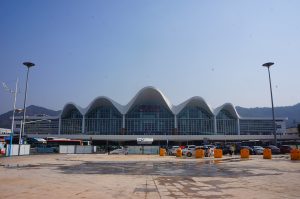
The city spreads along the Yi River, its downtown split by a series of bridges that glow amber after dusk. Most long‑distance buses terminate at the General Bus Station on Jucai Road; high‑speed trains stop at Linyi North, a glass‑walled hall twenty minutes by taxi from the old town. Ride‑hailing apps work, but drivers often cancel short hops during the evening rush. I keep a folded paper map of the central grid — Beijing Road running east‑west, Linxi Road north‑south — because mobile signal drops inside the wholesale market alleys. Cash is still king at breakfast stalls; a crumpled twenty‑yuan note buys a steamer basket of pork buns and a plastic stool.
Where to sleep without a chain logo
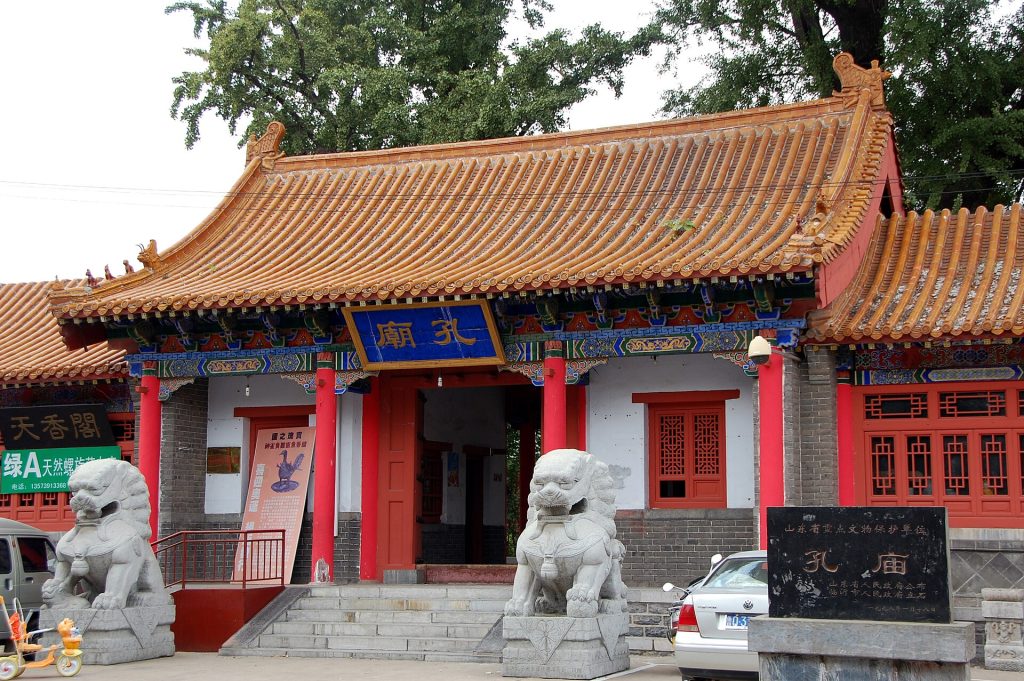
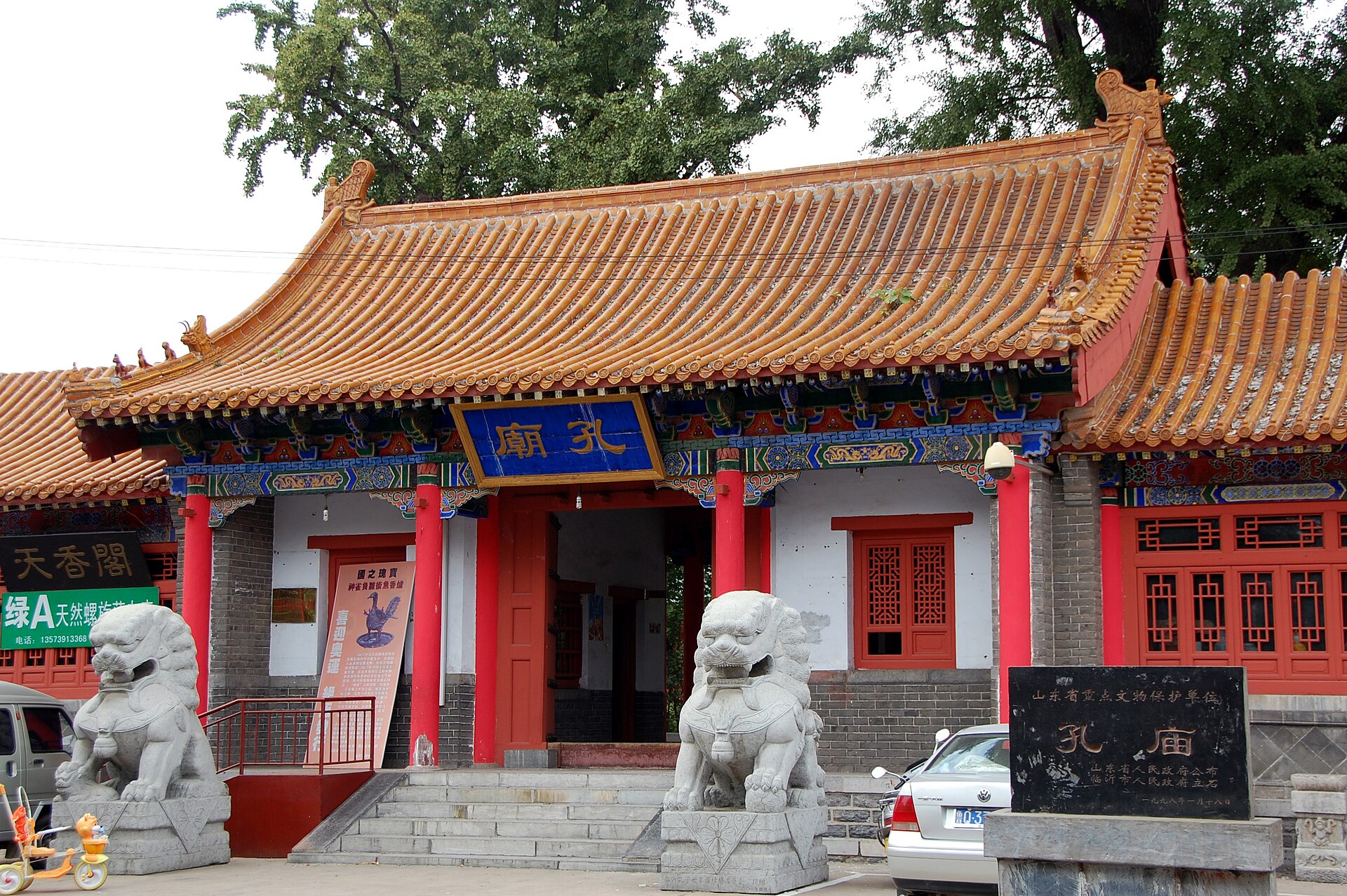
Foreign‑brand hotels cluster near the high‑speed rail station, but the rooms feel identical to any other provincial capital. I prefer a courtyard guesthouse tucked behind the Confucius Temple on Dongguan Street. The owner, Mr. Zhang, runs a calligraphy supply shop downstairs and wakes guests with a pot of jasmine tea at seven. Rooms have heated brick beds (kang) in winter and mosquito nets in summer. No English signage — just a red lantern by the gate. Book through a Chinese friend or a domestic travel app; walk‑ins are turned away during the Lantern Festival week when the temple fair swells the lanes.
Eating like a local
Linyi cuisine leans salty, garlicky, and vinegar‑sharp. The signature dish is Yimeng braised chicken — whole bird simmered until the meat falls off the bone, glazed with rock sugar and aged Shandong vinegar. At a family‑run spot on Tongda Road, the cook cracks the femur at the table so you can suck the marrow. Breakfast means jianbing guozi rolled with fermented bean curd, cilantro, and a crisp wonton skin; the best stall parks its cart beside the No. 3 Middle School gate at 6:30 a.m. Lunch is often a communal hotpot of river fish, tofu sheets, and wild herbs foraged from the southern hills. Dinner drifts toward barbecue: lamb skewers dusted with cumin, chili, and sesame, eaten over charcoal while arguments about logistics prices rise and fall in the local dialect.
- Yimeng braised chicken — whole free‑range chicken, aged vinegar, rock sugar, ginger, star anise, soy sauce, scallions
- Jianbing guozi — mung‑bean flour batter, egg, fermented bean curd, cilantro, crisp wonton skin, chili oil
- River fish hotpot — fresh carp or catfish, tofu sheets, wild chrysanthemum leaves, ginger slices, Sichuan peppercorns
- Lamb skewers — leg meat cubed, cumin seed, dried chili flakes, sesame seeds, salt
Home method for braised chicken: Brown the bird in a wok with a spoonful of oil. Add enough water to cover, then splash in half a cup of aged vinegar, a palmful of rock sugar, three slices of ginger, two star anise, and a glug of dark soy. Bring to a boil, drop to the lowest flame, cover, and forget for ninety minutes. Uncover, reduce the sauce until it clings like lacquer. Sprinkle chopped scallions. Serve in a deep ceramic bowl with steamed millet buns.
Restaurant ordering tip: Point to the chalkboard specials — handwritten dishes change daily. Ask for “la jiao bu fang” (extra chili, no MSG) if you want the kitchen’s honest heat. Mistake beginners make: ordering “Kung Pao chicken” from the picture menu. That dish belongs to Sichuan; here it arrives sweet, gloppy, and ashamed of itself.
Walking the old streets and the market maze
Start at the Confucius Temple before the tour groups arrive. The main hall smells of sandalwood and old paper; students press foreheads to the threshold before exams. Exit through the back gate into Dongguan’s antique lane — stacks of Republic‑era bonds, cracked porcelain teacups, Mao‑era badges. Haggling is expected; open at thirty percent of the asking price and meet in the middle with a grin. Two blocks west, the Linyi Wholesale Market swallows whole afternoons. Aisle 18 sells nothing but plastic stools; Aisle 42 is a forest of synthetic fur. I once followed a buyer from Xinjiang through three interconnected warehouses, counting pallets of thermal underwear bound for Urumqi. Wear flat shoes. The concrete floors are cold in winter and slick with spilled tea in summer.
Day trips that don’t require a tour bus
Mengshan Mountain rises south of the city, its peaks wrapped in pine and legend. The cable car runs year‑round, but the stone steps — 3,600 of them — are quieter in the mist of early autumn. Halfway up, a monk tends a tea shed; he pours bitter green tea into chipped enamel cups and refuses payment. At the summit, a wind‑torn pavilion frames the plain: a patchwork of wheat fields, solar arrays, and the silver thread of the Yi River. Return by late afternoon to catch the last direct bus from the mountain gate.
Closer in, the Former Residence of Wang Xizhi sits beside a lotus pond that blooms in the sixth lunar month. The calligraphy museum displays rubbings of the “Preface to the Orchid Pavilion” — each stroke reproduced on silk. Schoolchildren practice brushwork on the veranda, ink staining their cuffs. No audio guide; the curator, a retired teacher, will trace a character on your palm if you ask politely.
What locals expect and what newcomers get wrong
Linyi people speak fast, loud, and with a vocabulary that swallows standard Mandarin. They do not queue — they converge. At a noodle counter, you shout your order over the shoulder of the person ahead; silence is interpreted as hesitation. Tipping is unknown; leaving small change on the table confuses the server. Business cards are exchanged with two hands, studied, then placed face‑up on the table — never slipped into a pocket unread. The biggest faux pas: praising Qingdao beer in a Linyi bar. The local brew, Lanling, is a point of civic pride. Order a tall bottle, clink the rim against your host’s glass, and say “gan bei” before the foam settles. Do it once, and the room relaxes. Do it twice, and you’re invited to the next wedding.
Seasonal rhythm
Spring arrives with the kite festival on the riverbank — thousands of paper swallows dancing above the willows. Summer nights pulse with open‑air barbecue along the Yi; the air thickens with cumin and laughter. Autumn brings the persimmon harvest; flat baskets of orange fruit line every village road, drying into sweet cakes. Winter is quiet, the market stalls switching to roasted sweet potatoes and thick cotton coats. The city does not shut down for holidays; it amplifies. Lunar New Year means firecrackers at midnight, dumplings shaped like ingots, and the entire extended family crowded around a single television watching the Gala. If you visit then, bring red envelopes for the children and a tolerance for smoke.
Leaving without regret
On my last morning I walked the river promenade at dawn. An old man practiced tai chi beside a willow, his movements slow enough to count. A barge pushed upstream, horn low and patient. I bought a final jianbing from the school‑gate vendor — extra cilantro, extra chili — and ate it leaning against the railing, watching the current carry fallen petals toward the sea. Linyi does not hand you memories. It lets you earn them, one bowl, one haggle, one shared bottle at a time.