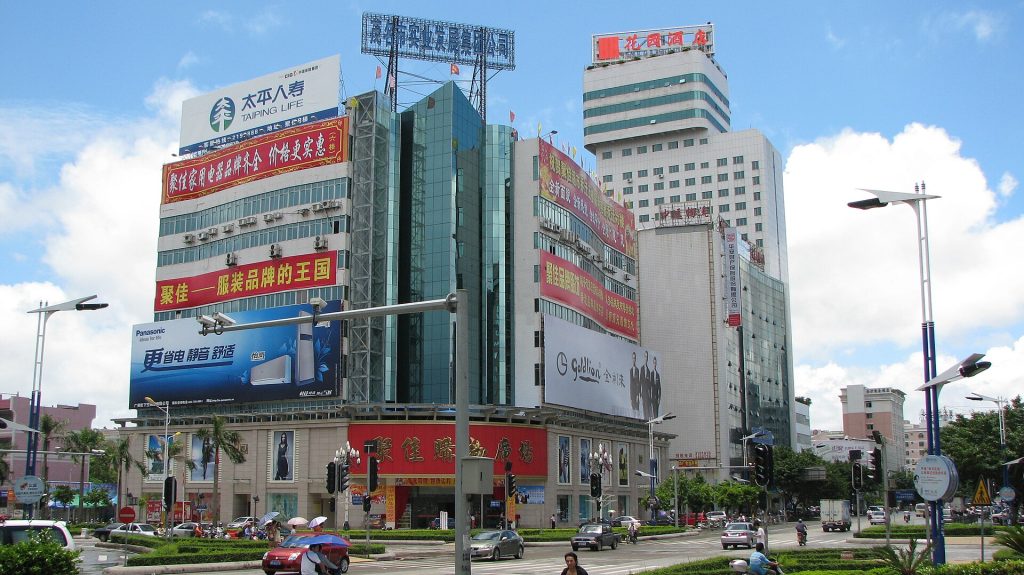
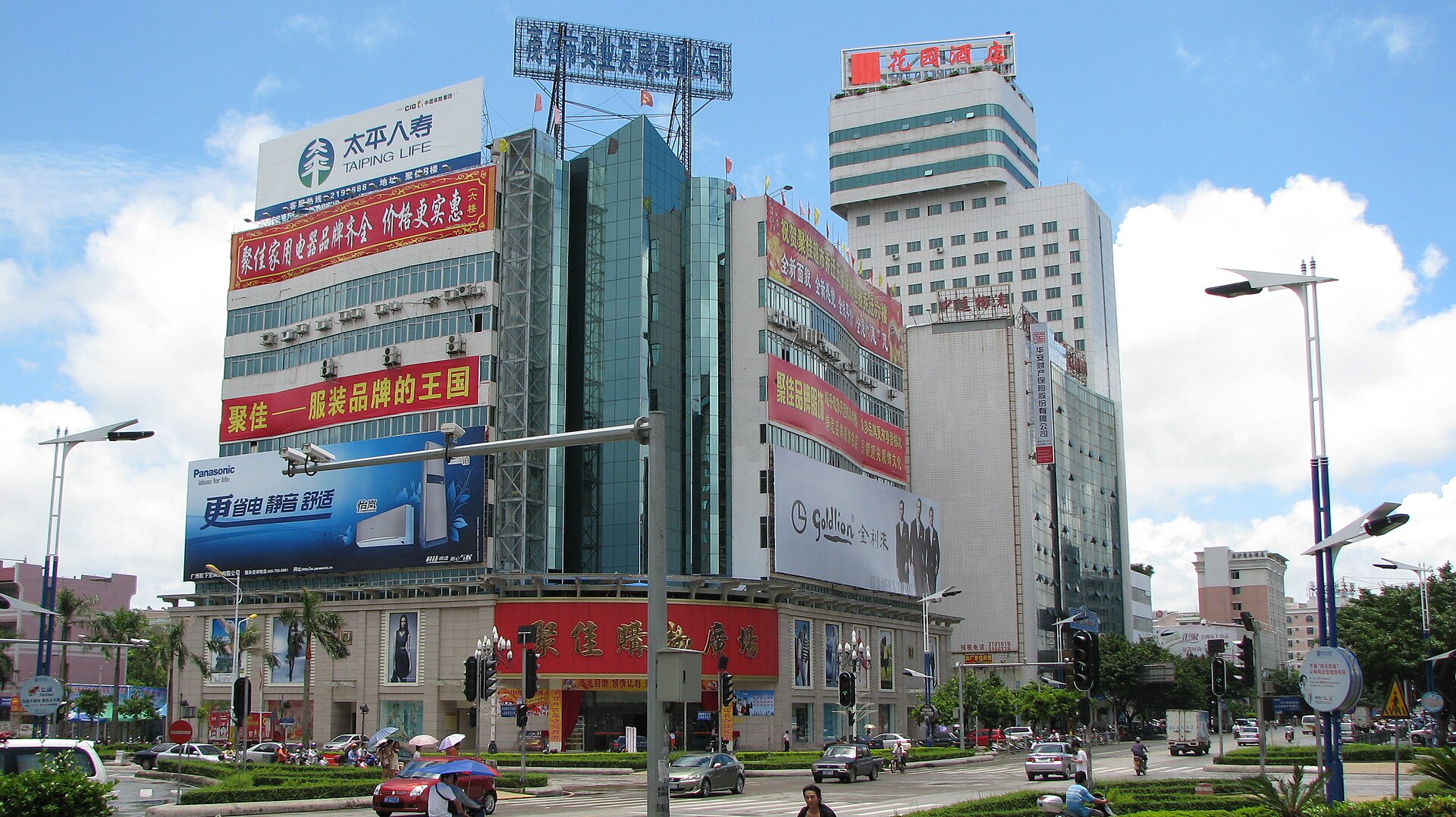
The minibus from Zhanjiang airport smells of diesel and dried squid. Through the window, the highway cuts through rows of eucalyptus trees, their trunks pale as bone against the red soil. After an hour, the tree line breaks and the South China Sea flashes blue between gaps in the concrete factories. This is the approach to Maoming: industrial muscle wrapped around a coastline that still knows how to breathe.
Arriving Without an Airport
Maoming does not have its own passenger airport. Most travelers fly into Zhanjiang Wuchuan International Airport, about ninety kilometers west. From the arrivals hall, follow the signs for the long-distance bus station — a separate building a short walk across the forecourt. Buses to Maoming’s main station leave every thirty minutes or so; the ride takes roughly seventy minutes and costs around sixty yuan. If you land in Guangzhou instead, the high-speed rail from Guangzhou South to Maoming Station is the smoother bet: two and a half hours, second class around two hundred yuan. The station sits on the northern edge of the city, a twenty-minute ride from the coastal districts where the beaches and seafood stalls cluster.
Moving Around the Coast
The city stretches thin along the shoreline, so a single base works only if you plan to stay put. Taxis are plentiful in the urban core, but drivers often refuse the run out to Bohe or Shuidong Donghai Beach after dark. Download a ride-hailing app — DiDi or CaoCao — and set the destination before you step outside. For the county-level cities under Maoming’s administration — Gaozhou, Huazhou, Xinyi — the bus network is reliable. Long-distance coaches leave from the station beside the railway hub; seats are assigned, and the roads climb quickly into lychee-covered hills. Renting a car makes sense only if you want to chase waterfalls in the interior; parking at the popular beaches on a summer weekend is a battle you will lose.
Beach Time: When to Go and Where to Sit
The swimming season opens after the Dragon Boat Festival, when the monsoon retreats and the water warms to bath temperature. Shuidong Donghai Beach is the longest stretch — three kilometers of pale sand backed by a promenade of coconut palms and barbecue stalls. Families claim spots under pop-up tents by nine in the morning; by noon the sand is a mosaic of towels, foam coolers, and floating inner tubes. Bohe Bay, twenty minutes south by car, feels quieter. The water is clearer, the crowd older, and the view takes in the fishing fleet rocking at anchor. If you want solitude, walk the rocky headland at the far end of Bohe at low tide; you will find tide pools full of hermit crabs and the occasional octopus hiding in a crevice.
- Shuidong Donghai: showers, lifeguard towers, jet-ski rentals, crowded weekends.
- Bohe Bay: calmer water, seafood restaurants on the pier, fewer amenities.
- Xinyi Golden Beach: artificial sand, wave pool, day-trip families from the inland counties.
Madam Xian and the Temples That Remember Her
Every coastal town in western Guangdong has a temple dedicated to Madam Xian, the sixth-century Li leader who brokered peace between her people and the Han court. The largest complex sits in Gaozhou, a forty-minute drive north of the city center. Incense curls around the courtyard from dawn; elderly women kneel on cushions, whispering petitions for grandchildren’s exam results or a safe fishing season. The main hall houses a gilded statue of the goddess, flanked by generals in painted armor. Visitors are welcome, but photograph the altar only from the threshold — stepping onto the raised platform is considered disrespectful. During the lunar third month, a festival procession winds through the streets: drummers, lion dancers, and a palanquin borne by barefoot men. The roads clog for hours; if you are not there for the spectacle, plan your travel around it.
Petrochemical Perimeter: What the Maps Don’t Show
Maoming was built on oil shale. The refinery complex dominates the northern horizon, a city of steel pipes and flaring stacks that glows amber at night. It is not a tourist site, but it shapes daily life. The air carries a faint sulfurous tang on still mornings; laundry dried on balconies sometimes picks up a greasy film. Locals joke that the smell is the scent of money. If you have respiratory sensitivity, bring a mask for the days when the wind blows inland. The industrial zone also means heavy truck traffic on the G228 coastal highway — give yourself extra time when crossing the city during shift changes at seven in the morning and seven in the evening.
Eating Where the Fishermen Eat
The best meals happen at open-air stalls along the Bohe fishing harbor. Plastic stools, paper tablecloths, a menu shouted in dialect. Order the steamed mantis shrimp — shells bright green, meat sweet and firm — dipped in minced ginger and vinegar. Grilled oysters arrive on a bed of rock salt, topped with garlic, fermented black bean, and a slash of chili oil. For a cooked dish, ask for “white-cut chicken” poached in ginger-scallion broth, served cold with a dipping sauce of soy, lime, and bird’s-eye pepper. Rice comes in a communal wooden bucket; you scoop with your bowl. Beer is warm unless you specify “bing de.” Pay at the counter when you leave; no one brings a bill to the table.
- Mantis shrimp: steam eight minutes, dip in ginger-vinegar.
- Grilled oysters: high heat, garlic-black bean paste, char the edges.
- White-cut chicken: submerge in boiling broth, kill heat, rest twenty minutes, ice bath.
- Rice bucket: shared, self-serve, refill free.
Mistakes That Mark You as a Novice
Assuming English works beyond the hotel front desk. Even at the high-speed rail station, signage is Chinese-only past the platform indicators. Carrying only large bills; the beach vendors and temple donation boxes want tens and fives. Wearing flip-flops on the rocky sections of Bohe headland — the barnacles draw blood. Swimming past the red-flag markers; the undertow near the river mouths is stronger than it looks. Buying “wild” sea cucumber from a tout on the promenade; it is usually farmed and overpriced. Skipping the morning market in Gaozhou because you slept late — the best lychees, longans, and fresh rice noodles are gone by eight.
Seasonal Rhythms Worth Timing
Late spring brings the lychee harvest. Orchards in the hills around Xinyi and Huazhou open for pick-your-own; the fruit is small, seedless, and so sweet it stains fingers amber. Autumn, after the Mid-Autumn Festival, the humidity drops and the sea calms — ideal for a multi-day boat trip to the uninhabited islands offshore, where you can camp on sand that has never seen a footprint. Winter is quiet. The beaches empty, the seafood turns to crab and mantis shrimp at their plumpest, and the city’s hot-pot restaurants fill with steam and laughter. There is no bad time, only different flavors.