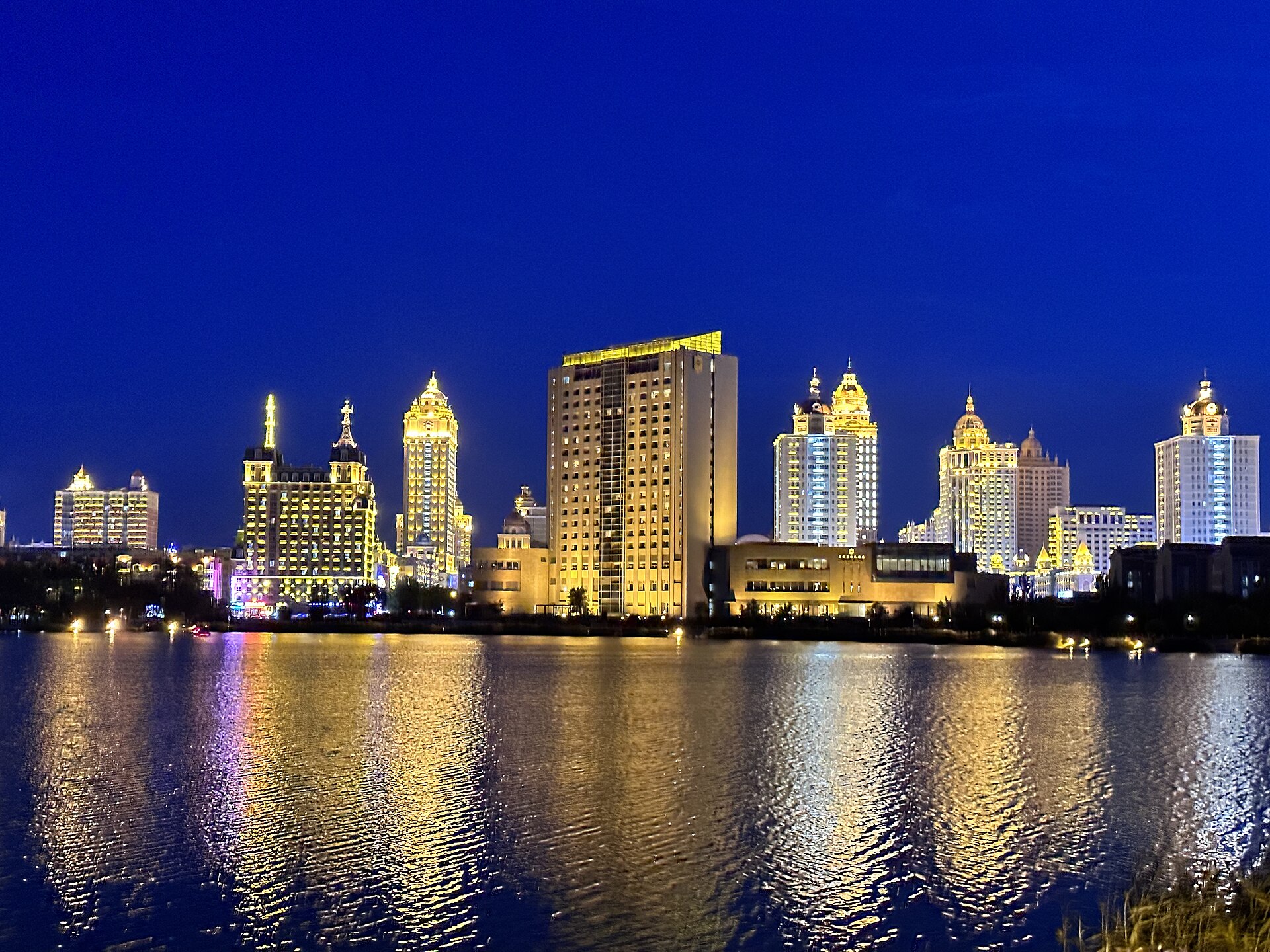
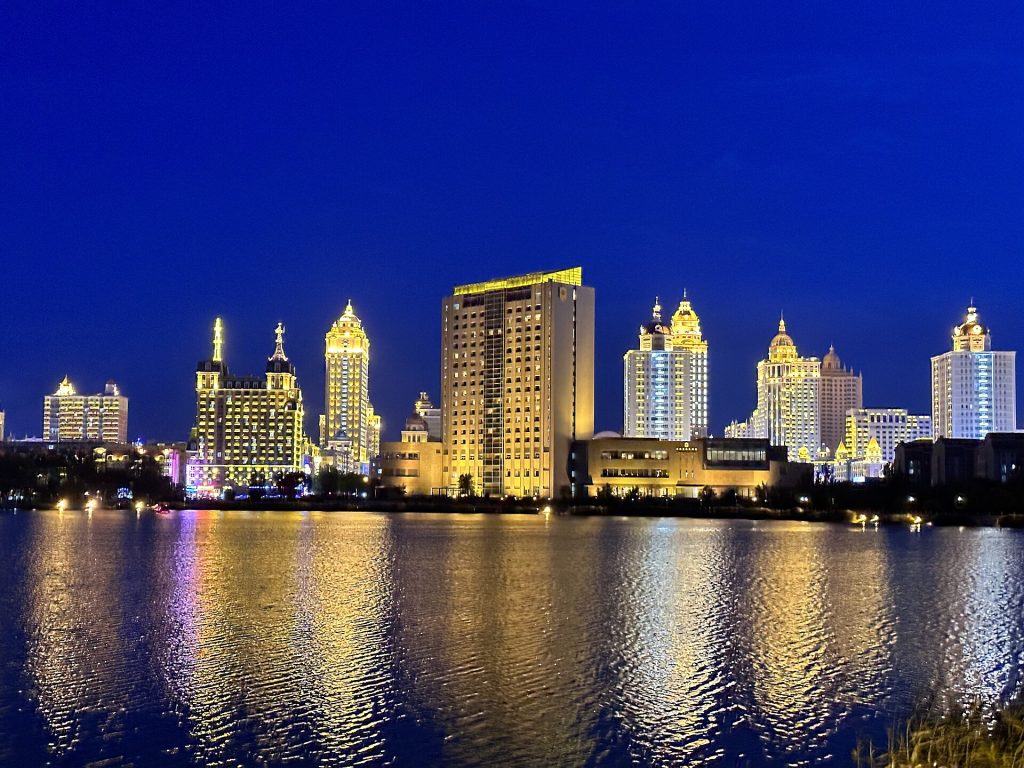
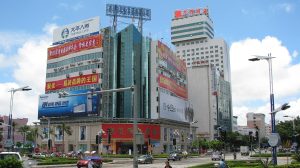
The train hissed to a halt on Platform 1 just after dawn, the steam from the locomotive mixing with air that smelled of coal smoke and damp wool. Outside the station windows, a row of matryoshka dolls the size of traffic cones stood sentinel beside a statue of a dancing Cossack, their painted smiles frozen against a sky the color of brushed steel. A babushka in a floral headscarf wrestled two enormous suitcases toward the customs hall while a group of Mongolian herders in dels adjusted their boots on the polished tile. This is Manzhouli at 6 a.m.: a place where the concept of “border” dissolves into a daily choreography of languages, currencies, and lunch plans.
Getting There and Crossing the Line
Most travelers arrive on the overnight train from Harbin or the high-speed line from Hohhot, both depositing you at the same Soviet-era station where the waiting room chandeliers still rattle when the express rolls through. If you are crossing from Russia, the Zabaikalsk checkpoint operates on Moscow time, which runs five hours behind Beijing time—set your watch before you queue, or you will miss the lunch window at the duty-free shop. The pedestrian lane moves faster than the vehicle line, but only if your paperwork is clipped in the exact order the officer expects: passport, visa, migration card, customs declaration. I once watched a businessman lose forty minutes because his migration card was stapled to the wrong page of his passport. Keep a pen in your pocket; the forms are carbon-copy and the ink smudges instantly in the dry wind.
For the Mongolian border at Erenhot, the rhythm is different. The paved road ends at a gravel lot where minivans wait to shuttle you the final kilometer across the no-man’s-land. Drivers shout destinations in three languages—Hohhot, Ulaanbaatar, Beijing—and the price drops if you wait for the van to fill. Do not hand your luggage to the first person who grabs it; wait for the driver wearing the company vest. The crossing itself takes twenty minutes on a good day, three hours when the customs dogs are working the livestock trucks.
Where to Sleep: Tracks, Towers, and Yurts
The city stretches along the rail corridor, so your choice of bed determines your morning soundtrack. Near the station, the big chain hotels—Jinjiang, Home Inn, a local brand called Borderland—offer soundproof windows and reliable hot water, but you will wake to the shunting of freight wagons. Two kilometers west, the Matryoshka Square district feels like a film set: pastel onion domes, cobblestone lanes, and a giant doll hotel where the rooms are round and the windows curve. It is quiet at night, but the tourist buses start their engines at 7 a.m. sharp.
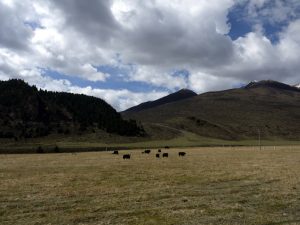
If the grassland is the goal, book a yurt camp thirty kilometers north near the Hulun Lake wetlands. The operators pick you up at the station in a beat-up SUV, drive past wind turbines and herds of horses, and deposit you at a circle of white felt tents around a central stove. There is no Wi-Fi, the toilet is a shed down the hill, and the mutton stew arrives in a brass pot at 7 p.m. whether you are hungry or not. Bring a headlamp, thick socks, and a power bank. The stars here do not compete with city light; they simply take over the sky.
Eating: Dumplings, Skewers, and the 3 a.m. Noodle Bowl
Manzhouli does not do subtle flavors. The cuisine sits at the intersection of Dongbei heartiness, Mongolian fire, and Russian preservation. Start at the night market behind the station where the smoke from charcoal grills hangs low enough to taste.
Da lie ba (大列巴) — a dense, sourdough rye loaf the size of a steering wheel, baked in a wood-fired oven. Slice it thick, smear with butter and a pinch of salt, wash down with kvass from a plastic bottle.
Shou ba rou (手把肉) — fatty mutton boiled in plain water until the meat slides off the bone. Dip in a sauce of fermented bean curd, chili oil, and minced garlic. Eat with your hands; the grease is the point.
Pelmeni — boiled dumplings stuffed with pork, onion, and dill, served in a bowl of vinegar-soy broth with a dollop of sour cream. The best stall is the one with the blue awning and the grandmother folding wrappers at warp speed.
Hulun Lake whitefish — steamed whole with scallions, ginger, and a splash of baijiu. The flesh separates in translucent sheets; the cheek meat is the prize.
Late-night lamian — hand-pulled noodles in beef broth, topped with cilantro, radish pickle, and a spoonful of chili paste that glows like embers. The shop on Xinghua Street stays open until the last train crew stumbles in.
Restaurant ordering is a contact sport. Menus are picture-heavy but captioned only in Chinese and Russian. Point, hold up fingers for portions, and confirm the spice level by tapping your tongue. A common mistake: ordering “one portion” of shou ba rou expecting a plate; you will receive a whole leg on a wooden tray meant for four. Another: asking for “not spicy” in a Mongolian hot pot—the broth base is built on dried chili, so “mild” still arrives the color of brick dust. If you want true mild, order the clear mutton soup with radish and goji berries.
Moving Around: Buses, Apps, and the Art of the Shared Ride
The public bus network connects the station, Matryoshka Square, the museum, and the lake wetlands, but the schedules are printed only at the stops and change with the season. Download the local map on Amap or Baidu Maps before you leave the hotel; the English layer is patchy but the bus icons are accurate. Cash works on board (two yuan exact change), though the driver prefers a QR scan.
For the grasslands or the border checkpoints, shared rides are the real network. WeChat groups named “Manzhouli-Hulun Lake” or “Zabaikalsk Shuttle” pulse with drivers posting departure times and empty seats. A seat to the lake wetlands costs fifty to eighty yuan depending on the vehicle—sedan, minivan, or the legendary “bread loaf” van that fits twelve people and a goat. Negotiate before the door slides shut. Confirm the drop-off point: some drivers leave you at the scenic area gate, others at the ticket office three kilometers further on.
Taxis cluster at the station and the square. Meters start at eight yuan, but after 10 p.m. the drivers quote flat rates. A ride to the yurt camps should be agreed at 120–150 yuan one way; if the driver demands more once you are moving, threaten to call the tourism complaint line (12301) and watch the price drop. Keep a screenshot of the agreed price on your phone.
What to Do When the Wind Stops
The Matryoshka Doll Square is the postcard shot, but the museum behind it holds the quieter story. The Manzhouli Museum of Inner Mongolia sits in a building shaped like a yurt crowned with a glass dome. Inside, a diorama of the 1901 railway signing ceremony shows Russian and Chinese officials leaning over a map, while a display of vintage customs stamps traces the evolution from imperial wax seals to QR codes. Allow ninety minutes. The caption cards are bilingual, but the audio guide—rented for twenty yuan—adds the oral histories of the Evenki hunters who guided the first surveyors across the steppe.
Hulun Lake (Dalai Lake) is forty kilometers west. In summer, the shore hosts a Naadam festival: wrestling on grass, archery from horseback, and horse races that kick up clouds visible from the highway. In autumn, the migratory swans arrive by the thousands, their calls audible before the birds appear. The wetland boardwalk loops two kilometers through reeds; bring binoculars and a windbreaker—the temperature drops ten degrees the moment you step off the asphalt.
The National Gate Park sits right on the borderline. A concrete arch straddles the marker; one foot in China, one in Russia. Tourists queue for the photo, but the real action is the duty-free mall underneath: Russian chocolate, Mongolian cashmere, Chinese baijiu in ceramic bottles shaped like generals. Prices are marked in RMB, rubles, and tugriks simultaneously. Haggling is expected for the cashmere; the chocolate is fixed. Do not buy the “antique” samovars—they are stamped “Made in Zhejiang” on the bottom.
Mistakes That Cost Time and Face
First, assuming everyone speaks Russian. The older generation does; the twenty-something barista at the coffee kiosk speaks Mandarin and broken English. Learn three phrases: “Duo shao qian” (how much), “Bu yao la” (no chili), “Xie xie” (thank you). Second, carrying only large bills. The night market, the bus, the shared van driver—they all need change. Break a hundred at the hotel front desk every morning.
Third, ignoring the wind. The steppe wind cuts through denim like a blade. A lightweight down vest, a wool beanie that covers the ears, and a scarf you can pull over your nose are not optional from late autumn through early spring. Fourth, photographing border guards or customs halls. The signs are in red Chinese and Cyrillic; the penalty is confiscation of your device and a very long conversation in a windowless room. Put the phone away until you are past the yellow line.
Fifth, treating the yurt camp like a hotel. The host family rises at 5 a.m. to milk mares. If you are still asleep, you miss the fresh airag (fermented mare’s milk) and the chance to help herd the foals. Join them. The work is hard, the smell is rank, and the tea they serve afterward—salty, buttery, thick with milk skin—tastes like nowhere else on earth.