The minibus rattled over the last switchback above the Jinsha River just as the morning sun hit the water. Below, the brown current slammed into the clearer green flow of the Yalong, a collision of silt and stone that marked the city’s doorstep. I stepped out onto the viewing platform, the air thick with the scent of mango blossoms and hot tar, and watched a cargo ship push upstream toward the Ertan Dam. This is Panzhihua: industrial muscle wrapped in a subtropical fringe, where steel mills glow against hills heavy with pomegranate trees.
When to show up
The city earns its “Sunshine Flower City” nickname honestly. Winter is the sweet spot. From late autumn through early spring, the sky stays a washed-out blue, daytime highs hover in the low twenties Celsius, and the heavy humidity that blankets the Sichuan basin never climbs this far south. This is also when the mangoes hit the markets — Kent, Keitt, and the local Ivory variety — piled in wooden crates on every street corner. Summer brings the rain. July and August turn the river valleys into steam rooms, and the mountain roads to the scenic areas can wash out overnight. If you are chasing fruit, aim for the weeks around the Spring Festival; if you want dry trails, target the dry season months.
Getting there and moving around
Panzhihua Baoanying Airport sits on a plateau about forty minutes from the city center. Flights connect to Chengdu, Chongqing, Kunming, and a handful of eastern hubs. The high-speed rail station, Panzhihua South, is the real game changer. Trains from Chengdu now take roughly six hours; from Kunming, under three. Once in town, the ride-hailing apps work reliably. City buses are cheap and frequent but route maps are Chinese-only. For the scenic spots — Ertan, Gesala, the Red Cell Spa — hire a driver for the day. Negotiate a flat fee before you leave the hotel; 300 to 400 yuan usually covers a full loop with waiting time.
Where to sleep
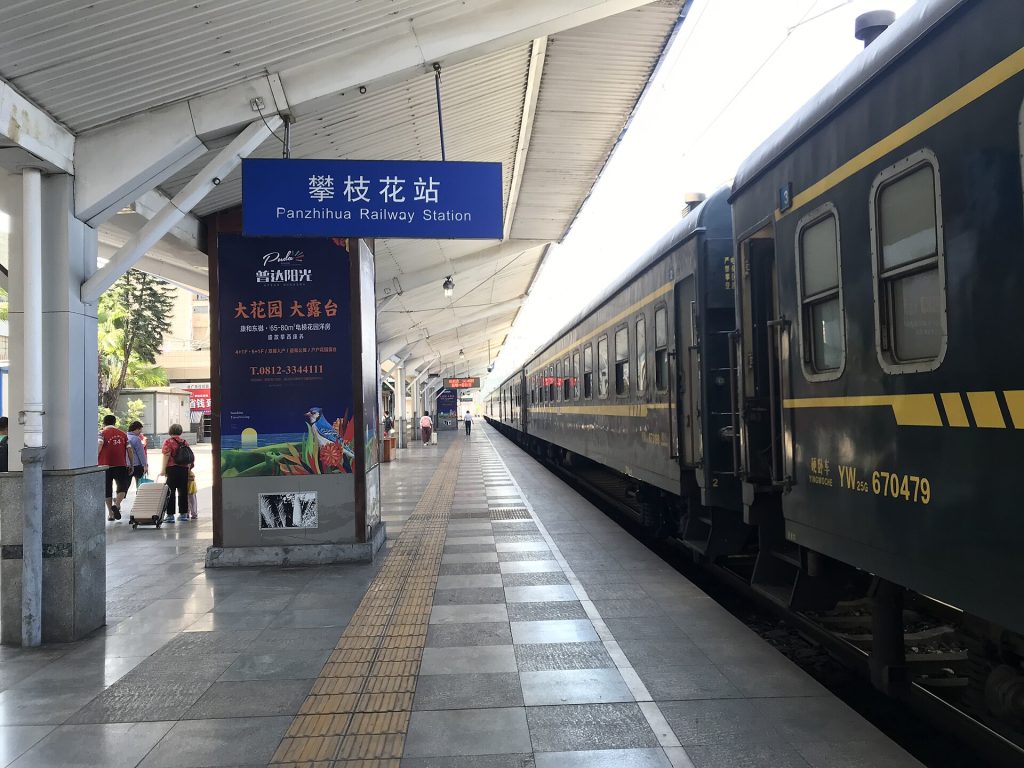
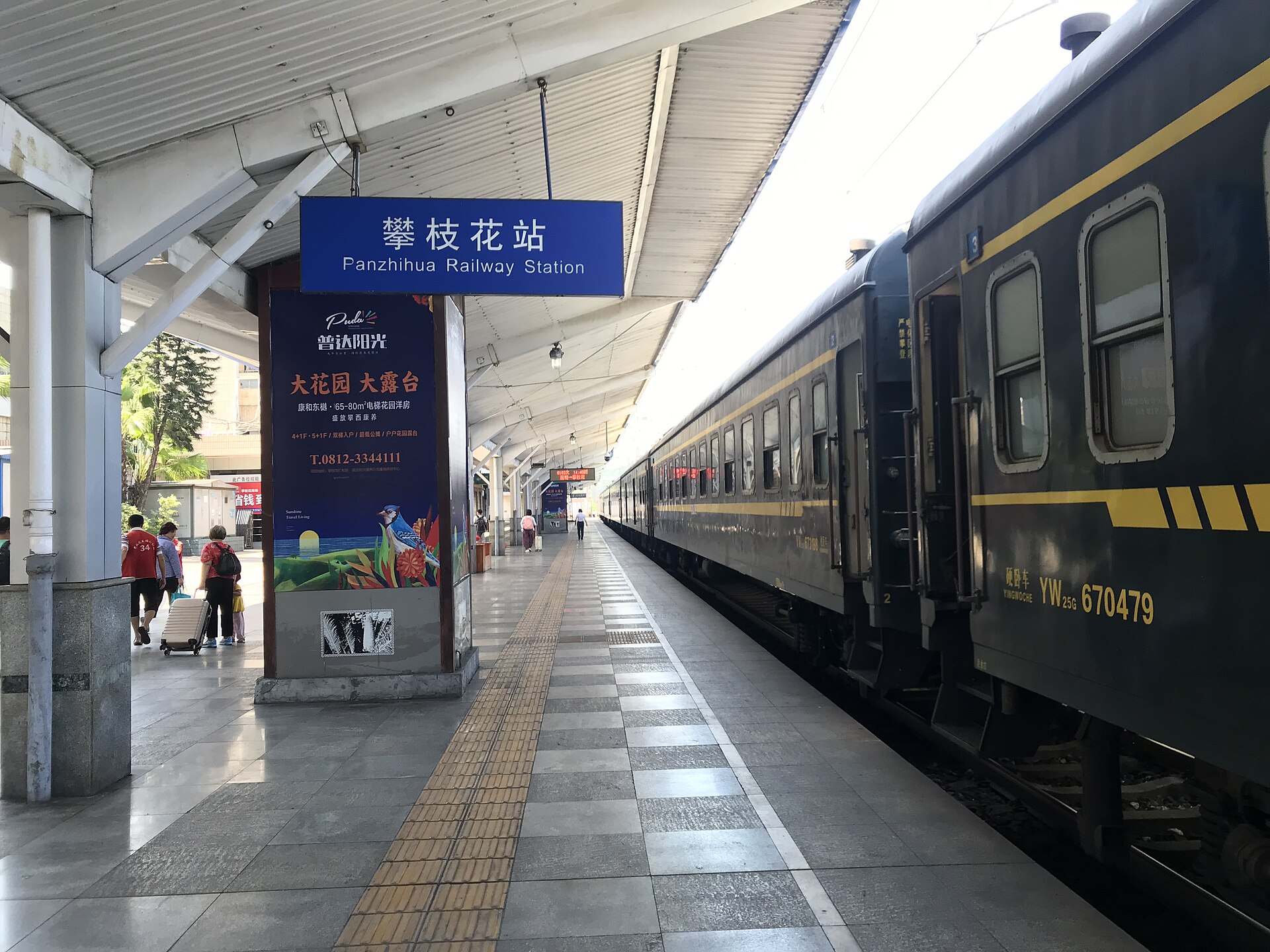
Three zones make sense for a short stay. The Dong District (东区) clusters around the railway station and the main commercial spine. You get chain hotels — Home Inn, Jinjiang, Atour — within walking distance of hotpot alleys and the night market on Jinsha River Road. The Xi District (西区) is quieter, greener, and closer to the Ertan Dam turnoff. Boutique guesthouses here often have rooftop terraces overlooking the river confluence. The Renhe District (仁和区) sits farther south, near the airport and the mango orchards. Pick a farm-stay courtyard if you want to wake up to birdsong and pick your own breakfast fruit; book directly through the host’s WeChat to avoid platform fees.
Two days on the ground
Day one — Water and steel. Start early at the Ertan Hydropower Station. The visitor center opens at nine. Take the shuttle down to the dam face; the view of the arch plugging the canyon is worth the security check. Walk the inspection gallery if it’s open — cool air rushes through the tunnels even in summer. Lunch at the dam canteen: simple Sichuan stir-fries, but the view over the reservoir is free. Drive back toward the city, stopping at the Jinsha-Yalong Confluence Park. A short boardwalk leads to a pavilion exactly at the mixing point. Late afternoon, hit the Panzhihua Museum in the Dong District. The mineral hall displays vanadium-titanium magnetite samples that glow under UV light — a reminder of why this city exists. Dinner at a riverside BBQ stall: order the grilled fish with pickled chili, a plate of cold mango salad, and a bottle of local Panzhihua beer.
Day two — Mountains and caves. Head south to the Gesala Ecotourism Area. The road climbs through bamboo stands into karst hills. The main loop takes three hours on foot: a sinkhole lake, a boardwalk through a limestone cave system, and a suspension bridge over a side canyon. Wear shoes with grip; the cave floor stays slick year-round. Pack water and snacks — the vendor at the entrance sells instant noodles and warm soda at a markup. On the return, detour to the Red Cell Spa (红格温泉) in Renhe. The outdoor pools are fed by a 52-degree Celsius spring. Locals swear by the mineral mud; smear it on, let it dry, rinse in the pool. Stay for sunset. The steam rising off the water against the red cliffs feels like a proper ending.
Eating: what lands on the table
The cuisine leans spicy, sour, and fresh. Mangoes appear in savory dishes, not just dessert. Pomegranate seeds garnish cold noodles. The steel-worker lunch culture means portions are huge and prices stay low.
- Mango Chicken (芒果鸡) — chunks of thigh meat stir-fried with semi-ripe mango, garlic, ginger, and a splash of light soy. The fruit should hold its shape, not turn to mush.
- Pomegranate Cold Noodles (石榴凉面) — wheat noodles rinsed in ice water, tossed with sesame paste, chili oil, vinegar, and a handful of ruby arils. Eat fast before the sauce clumps.
- Jinsha River Grilled Fish (金沙江烤鱼) — whole grass carp butterflied, scored, rubbed with fermented bean paste and cumin, grilled over charcoal until the skin cracks. Served on a metal tray with a simmering broth base at the table.
- Vanadium-Steel Hotpot (钒钛火锅) — a marketing name for a beef hotpot using locally raised cattle. The broth is a clear beef bone stock with a separate chili oil dip. Order the tendon, tripe, and sliced lung.
Home-style Mango Chicken (serves two)
- 200 g chicken thigh, cut into bite pieces
- 1 medium Ivory mango, firm, peeled and cubed
- 3 garlic cloves, sliced
- 10 g ginger, julienned
- 15 ml light soy sauce
- 5 ml dark soy sauce
- 10 ml Shaoxing wine
- 5 g sugar
- 30 ml oil
- Marinate chicken with light soy, wine, and a pinch of cornstarch for fifteen minutes.
- Heat wok until smoke rises. Add oil, then ginger and garlic; stir ten seconds.
- Add chicken; spread in one layer. Sear thirty seconds without moving. Toss until surface turns white.
- Add dark soy and sugar. Stir. Splash two tablespoons water. Cover one minute.
- Uncover. Add mango cubes. Toss gently — two turns only. Plate immediately.
Restaurant ordering tips
- Point to the live fish tank. Pick one swimming near the surface — less stress, firmer meat.
- Ask for “微辣” (wei la) if you want flavor without the sweat. “不辣” (bu la) often means they still add dried chili.
- Order a plate of steamed corn buns (窝窝头) to soak up the fish broth.
- Skip the fried rice at BBQ places; the wok hasn’t been cleaned since the chili oil.
Beginner mistakes
- Buying pre-cut mango from the supermarket. The aroma vanishes in an hour. Find a street vendor who slices to order.
- Ordering “dry pot” (干锅) expecting a stew. It arrives sizzling on a burner; the liquid evaporates fast, leaving salt bombs.
- Assuming all pomegranates are sweet. The local sour variety is for cooking, not snacking. Ask for “甜石榴” (tian shiliu).
Culture, people, and the rhythm of the place
Panzhihua runs on shift time. The steel mills operate three rotations, so the city never fully sleeps. Noodle shops near the factory gates serve beef soup at 3 a.m. Taxi drivers compare overtime hours the way office workers compare bonuses. Migrant families from the Yi and Miao villages in the surrounding mountains fill the weekend markets — women in embroidered headscarves selling wild honey, walnuts, and medicinal roots wrapped in banana leaves. If you wander into a village wedding in the hills (you’ll hear the suona horns from kilometers away), you’ll be waved toward a plastic stool and handed a bowl of rice wine. Drink it. Refusing is rude. The toast goes: “Zai jian” — see you again — not “gan bei.” The host pours a splash on the ground for the ancestors first.
Mandarin works everywhere, but the local dialect swallows tones. “Panzhihua” sounds like “Pan-zhi-wa” in the mouth of a driver. Learn two phrases: “Duo shao qian?” (how much) and “Bu yao la” (no chili). Vendors at the night market will still pile on the chili, but they’ll smile while doing it. Bargaining is expected for fruit by the crate — start at sixty percent of the asking price. For a single mango, pay the sticker; haggling over two yuan marks you as tight.
The lunar calendar governs the real rhythm. The Mango Festival opens on the eighth day of the fifth lunar month — usually early summer. Orchards open for picking, and the city parks host lantern displays shaped like the fruit. The Torch Festival of the Yi people falls on the twenty-fourth day of the sixth lunar month. In the villages around Gesala, bonfires burn all night, wrestlers grapple in the dirt, and tourists are pulled into circle dances. If your dates align, skip the dam and go to the hills. The industrial city fades; the older Panzhihua takes over.
What trips up newcomers
- Treating the city as a day trip from Kunming. The train is fast, but the scenic areas need wheels and time. Stay one night minimum.
- Packing only light shirts. The temperature swing between the river valley (hot) and the mountain caves (chilly) can hit fifteen degrees in a single afternoon. Bring a windbreaker.
- Relying on English signage at Ertan. The dam tour is Chinese-only. Download a translation app offline pack beforehand, or hire a guide at the visitor center — usually a retired engineer who knows every bolt.
- Skipping the morning market on Jinsha River Road. That’s where the restaurant chefs shop. Go at 7 a.m., watch them test mangoes with a thumbnail press, and you’ll understand why the fruit tastes different at lunch.
- Expecting Western coffee. The local brew is instant three-in-one sachets. If you need a proper espresso, the only reliable machine sits in the lobby of the Atour Hotel in Dong District.
When the train pulls out of Panzhihua South, the steel mills shrink to toy blocks, the mango trees blur into a green stripe, and the two rivers braid together one last time. You leave with sticky fingers, a bag of dried chili, and the sense that this city builds things — metal, fruit, heat — and doesn’t apologize for any of it.