The morning fog clung to the railings of the Penglai Pavilion, muffling the gulls and turning the Yellow Sea into a sheet of pale silk. I stood where emperors once scanned the horizon for the islands of the immortals, my thermos lid clicking against the stone as I poured tea. Below, the fortress walls dropped straight into water the color of cold jade, and a few early fishermen were hauling nets through the mist. No tour groups yet. Just the smell of brine, wet pine, and the faint sweetness of fermenting grapes drifting from the wineries inland.
Getting There and Getting Around
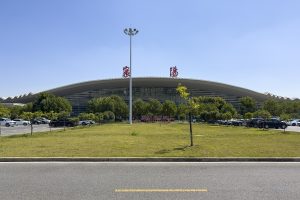
Most travelers fly into Yantai Penglai International Airport, about forty minutes by taxi from the old town. The high‑speed rail station sits closer to the new development zone; a Didi ride to the pavilion area takes twenty minutes and costs roughly the price of a bowl of hand‑pulled noodles. If you arrive by overnight ferry from Dalian, you step off the gangway practically at the foot of the ancient water city gates. Once in town, the electric bus loop (Route 101) connects the pavilion, the ocean aquarium, and the main beach for a few yuan. Taxis are plentiful, but drivers rarely speak English — have your destination written in characters. For the coastal stretch between the pavilion and the Golden Beach, renting a shared e‑scooter is the fastest way to chase the sunset.
Where to Sleep: Sea View or Old Alley
The peninsula splits into two distinct vibes. Near the pavilion, a cluster of boutique inns occupies renovated courtyard houses inside the Ming‑era water city. Rooms open onto stone lanes where elderly neighbors still hang dried cuttlefish from bamboo poles. Expect firm kang‑style beds, shared courtyards with pomegranate trees, and breakfast steamed buns delivered to a low table. Prices rise sharply during the ghost festival in the seventh lunar month. On the eastern shore, big‑brand resorts line Golden Beach. They offer private balconies, infinity pools, and buffet spreads heavy on abalone porridge. Book a sea‑facing room if you want to wake to the sound of waves rather than corridor carts. In the off‑season — late autumn through early spring — you can often walk in and negotiate a cash discount at the smaller guesthouses.
Two Days on the Ground
Day One — Myth and Mortar. Enter the Penglai Pavilion complex at opening. Climb the central tower first; the stairwell narrows near the top, so go single file. From the upper balcony you can trace the whole coastline: the water city’s bastion walls, the aquarium’s blue dome, the distant wind‑farm blades turning slow. Descend to the Temple of the Sea Goddess, where locals tie red ribbons on the ancient cypress for safe voyages. Spend the afternoon inside the water city museum — look for the Song‑dynasty anchor stock and the map of Qin Shi Huang’s expedition routes. Dinner at a family stall near the west gate: steamed scallops with garlic, stir‑fried sea cucumber with scallion, and a bowl of millet congee.
Day Two — Sand, Vines, and Sunset. Take the e‑scooter east along the coastal road. Stop at the Polar Ocean World if traveling with children; the beluga show runs three times daily. Continue to Golden Beach for a midday swim — water stays swimmable well into the ninth lunar month. Lunch at a beachfront shack: grilled squid brushed with chili‑soy glaze, cold jellyfish salad, steamed mantou. Afternoon drive inland to the Changyu Wine Culture Museum. The underground cellar stretches for kilometers; join the guided tasting of dry red, ice wine, and a surprising aged brandy. Finish on the pavilion’s western terrace at dusk. The lanterns along the fortress wall flicker on one by one, and the fog often returns, swallowing the horizon exactly as it did a thousand years ago.
Eating Like a Local
Penglai cuisine leans on the sea. Menus change with the lunar calendar: spring brings razor clams and sandworms; summer, swimming crab and mantis shrimp; autumn, hairy clams and Pacific saury; winter, dried scallop and yellow croaker stew. Don’t order “seafood platter” — ask what the boat brought in at dawn. A reliable dinner formula: one steamed whole fish (clear broth, ginger, scallion), one wok‑tossed shellfish dish (black bean or chili), one vegetable (garlic‑blanched seaweed or stir‑fried celtuce), and a pot of millet porridge to soften the salt. At the night market near the south gate, look for the stall with a queue — usually grilled oyster on the half‑shell, brushed with fermented bean sauce and topped with minced garlic. Eat standing, shell discarded into a shared bucket, beer in a plastic cup.
- Steamed whole fish: fresh catch, ginger matchsticks, scallion batons, light soy, hot oil splash.
- Stir‑fried clams: high heat, garlic, fermented black bean, splash of Shaoxing, cilantro finish.
- Cold jellyfish salad: shredded jellyfish, cucumber ribbons, sesame oil, vinegar, chili oil, toasted sesame.
- Millet congee: foxtail millet, water, pinch of salt, slow simmer until creamy.
- Grilled oyster: half‑shell, fermented bean paste, minced garlic, charcoal grill.
Culture, Customs, and the Traps Newcomers Fall Into
Locals treat the pavilion as a living shrine, not a photo backdrop. You will see retirees bowing before the Sea Goddess statue, whispering prayers for grandchildren’s exams. Speak quietly inside the halls; step over thresholds, not on them. During the Double Ninth Festival in the ninth lunar month, families climb the tower to “avoid disaster” — the paths become shoulder‑to‑shoulder. If you visit then, arrive before sunrise or accept the crush. Another trap: the “immortal wine” sold in decorative bottles at souvenir shops. It’s usually grain spirit with food coloring. Real Changyu aged bottles carry a tax strip and a serial number; buy only from the winery’s own counter or a licensed tobacco‑liquor store. Finally, the beach vendors who press pearl bracelets into your palm — they’ll quote a “friend price” that’s still triple the wholesale rate in the market behind the bus station. Smile, decline, keep walking.
Practical Details You’ll Wish You Knew
- Cash: Many small eateries and guesthouses still prefer notes. Carry a few hundred yuan in small denominations.
- Connectivity: Free Wi‑Fi hotspots cover the pavilion plaza and main beach, but signal drops inside the water city alleys. A local SIM from the China Mobile kiosk at the airport solves it.
- Footwear: Cobblestones inside the water city are uneven and slick with sea spray. Flat rubber soles beat sandals.
- Luggage storage: The pavilion visitor center offers lockers for a token fee; the train station has a staffed left‑luggage room open until the last departure.
- Language cheat sheet: “Yi ge qing zhuang” (one light portion), “Bu yao la” (no chili), “Mai dan” (check please), “Zai nar shang che” (where to catch the bus).
When the fog rolls back in at dusk, the pavilion’s red columns glow like embers against the gray. I finished my tea, tucked the thermos into my pack, and walked the wall one last time. A fisherman’s lantern bobbed beyond the breakwater. The Eight Immortals never showed up, but the wine lingered on my fingers, salty and sweet, and the stones under my boots held the warmth of a day that felt borrowed from a legend.