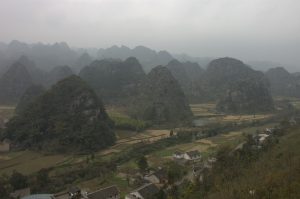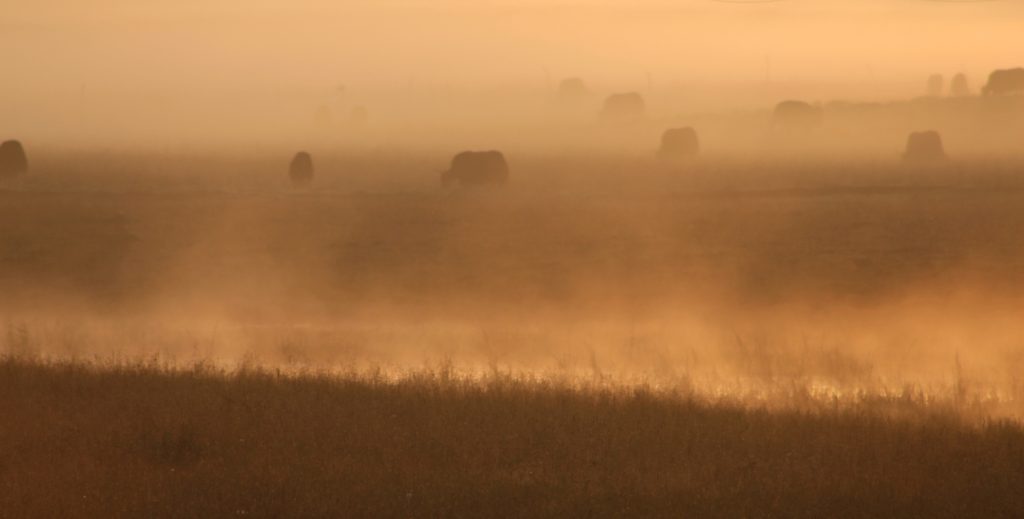
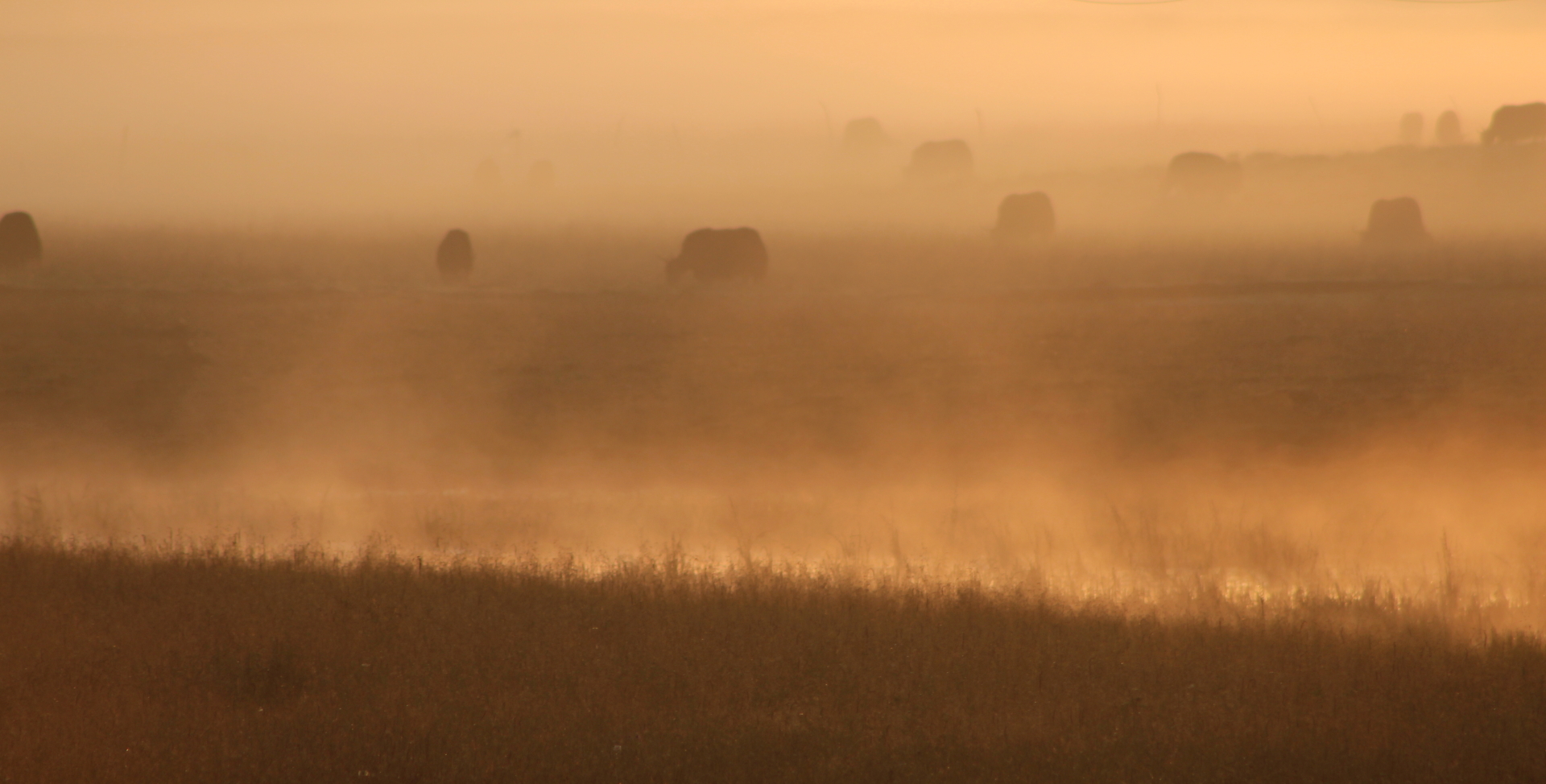
The minivan hit a frost heave at 3,400 meters and the thermos in the cup holder launched itself onto the floorboards. Outside, the grassland stretched flat and pale under a sky the color of bruised iron. A herd of yaks stood motionless beside a black‑tented nomad camp, steam rising from their muzzles. The driver, a Tibetan named Dorje, laughed and downshifted. “Ruoergai does not care about your schedule,” he said. “It only cares about the wind.”
When the grassland wakes up
Most travelers arrive between the sixth and eighth lunar months, when the alpine meadow turns a saturated green and wildflowers push through the turf. Days can reach fifteen degrees Celsius, but nights drop below freezing without warning. September brings the first hard frosts; by the ninth lunar month the wetlands are rimmed with ice and the tourist shuttles thin out. Winter is fierce — temperatures hover around minus twenty — and the park gates sometimes close for days after heavy snow. If you want the classic mirror‑lake reflections of the Yellow River’s first bend, aim for the tail end of the seventh lunar month. The water is high, the light is soft, and the mosquito clouds have not yet hatched.
Getting there without losing a day
Chengdu is the usual launch point. A direct bus leaves Xinnanmen Station before dawn and rolls twelve to fourteen hours over Erlang Shan and the Songpan plateau. The road is paved the whole way, but landslides after rain can add hours. Drivers who know the route prefer the private SUV option: four passengers, a spare tire, and a thermos of butter tea. You can also fly into Jiuzhai Huanglong Airport, then hire a car for the three‑hour drive north. The airport sits at 3,400 meters, so give yourself a night in Songpan or Chuanzhusi to acclimatize before you push higher. Trains do not reach the grassland; the nearest railhead is still Chengdu.
Sleeping on the steppe
The park entrance booth sits just north of Tangke township. Pay the fee — a few hundred yuan per vehicle — then continue toward the cluster of white‑canvas yurts that mark the main tourist village. Those yurts fill up months ahead during the peak season. If you arrive without a reservation, keep driving. Every few kilometers you’ll see family compounds with spare yurts set up beside a corral. Knock on the wooden gate, smile, and ask for a bed. The host will hand you a thick wool blanket, a yak‑dung stove, and a bowl of steaming milk tea. No Wi‑Fi, no hot shower, but the stars hang so low you can almost touch them.
- Book the main village yurts at least sixty days ahead via WeChat or a Chengdu travel agent.
- Carry cash — small denominations — for roadside families; they rarely take mobile pay.
- Pack a four‑season sleeping bag; the provided quilts are warm but damp.
- Bring a headlamp with extra batteries; generators shut off at midnight.
Walking the first bend and beyond
The boardwalk at the First Bend of the Yellow River stretches two kilometers over peat bog. At sunrise the river doubles back on itself in a perfect omega, mist clinging to the water. Walk slow — altitude turns a gentle stroll into a lung test. Past the boardwalk, a dirt track leads to the Flower Lake wetland. In late summer the shallows bloom with yellow gentian and blue iris. Nomads graze horses at the far edge; if you wave, they may invite you for a sip of fermented mare’s milk. Do not wander off the marked paths. The peat is deceptively deep, and a misstep can sink you to the thigh in freezing slurry.
Eating with the herders
Meals arrive on a low wooden table inside the yurt. A steaming metal bowl holds hand‑pulled noodles in yak‑bone broth, the fat glistening like amber. Beside it sits a plate of boiled mutton, sliced thick and dipped in a paste of garlic, chili, and crushed Sichuan pepper. Tsampa — roasted barley flour — comes in a wooden bowl; you mix it with butter tea using two fingers until it forms a sticky dough. The flavor is earthy, salty, and faintly smoky from the dung fire. Finish with a spoonful of yogurt cultured in a sheepskin bag. No menus, no substitutions. Eat what is placed before you, and leave a clean bowl — it is the only thank‑you the host expects.
- Yak‑bone broth noodles — clear, rich, dotted with scallions.
- Boiled mutton — fatty cuts, served with chili‑garlic‑pepper dip.
- Tsampa dough — roasted barley flour kneaded with butter tea.
- Sheepskin yogurt — tangy, thick, eaten with a wooden spoon.
Mistakes that cost you comfort
First‑timers often underestimate the altitude headache. They power up from Chengdu in a single day, skip the acclimatization night in Songpan, and spend the first evening vomiting in a yurt toilet. Others pack only light jackets, trusting the midday sun, then shiver through a night when the temperature plunges twenty degrees in an hour. A few try to drone‑photograph the river bend without a permit; the park rangers confiscate the drone and fine the operator on the spot. And the classic blunder: assuming mobile signal means data. The 4G towers cover the main road, but the yurt villages run on satellite hotspots that crawl. Download offline maps, translation packs, and your favorite podcasts before you leave the last town with reliable Wi‑Fi.
Leaving a light footprint
When the minivan finally turned south toward the highway, Dorje pointed at a plastic bottle someone had tossed beside the boardwalk. “The grassland does not forget,” he said. “What you leave stays until the spring melt carries it to the river.” Pack out every wrapper, every tissue, every spent battery. Use the dry‑pit toilets at the yurt camps — they are designed for the fragile peat. If you buy souvenirs, choose hand‑woven wool belts or carved horn combs made by the family hosting you. The money stays in the corral, not in a Chengdu wholesale market. And when you stand at the First Bend at dawn, keep your voice low. The wind carries sound farther than you think, and the yaks are listening.