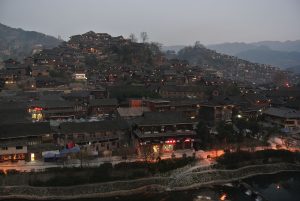
The minibus from Shigatse coughs to a halt beside a row of prayer wheels spinning in wind that tastes of dust and yak butter. A monk in burgundy robes adjusts his glasses, taps a phone screen, then turns the cylinder with his other hand. Across the street, a woman unloads sacks of barley from a donkey cart while a taxi driver leans against a dented sedan, smoking. This is Sakya — not a tourist hub, not a polished heritage site, but a working valley where the 11th‑century walls still frame daily life.
Getting There: The Long Valley Approach
Most travelers reach Sakya by branching off the Friendship Highway at Lhatze, about 25 kilometres south of the main artery. Long‑distance buses leave Shigatse’s main station each morning; the ride takes roughly three hours on pavement that alternates between smooth asphalt and washboard gravel. From Tingri, the schedule is thinner — one early departure, sometimes two if a festival is coming. If you miss the bus, shared minivans cluster near the Lhatze taxi stand; drivers wait until they have six passengers, then gun the engine for the final climb into the valley. Seat belts are optional, luggage rides on the roof, and the fare is negotiated in cash.
- Shigatse → Sakya: early bus, 07:30‑08:00 departure, three hours.
- Tingri → Sakya: single morning run, confirm the night before at your guesthouse.
- Lhatze → Sakya: minivans leave when full, 45 minutes, pay the driver directly.
Moving Around: Hooves, Wheels, and Feet
The town stretches along a single dusty spine. Walking covers the core — monastery gates, the market lane, a handful of tea houses — in twenty minutes. For the upper valley sites, locals flag down horse‑drawn carts or donkey carriages; a ride from the new monastery compound down to the county hospital costs a few yuan and moves at the pace of the animal’s breath. Taxis exist — mostly aging sedans with cracked dashboards — but drivers rarely speak Mandarin, let alone English. Agree on the price before the engine starts, and keep small bills ready. If you’re acclimatized, the footpaths that thread between barley fields and chorten clusters are the quietest way to see the valley’s geometry.
What to See: Two Monasteries, One Living Library
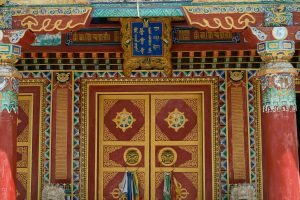
The name Sakya means “pale earth,” a reference to the grey‑white soil that coats the walls of the old monastery on the north bank of the river. Founded in 1073, the original complex looks like a fortress: thick mud‑brick ramparts, watchtowers at each corner, and a central assembly hall where butter lamps have burned continuously for centuries. Inside, the air is cool and smells of juniper incense. Shelves hold thousands of palm‑leaf manuscripts — some written in gold ink — covering medicine, astronomy, and tantric ritual. Monks still debate in the courtyard each afternoon, clapping hands to punctuate logic.
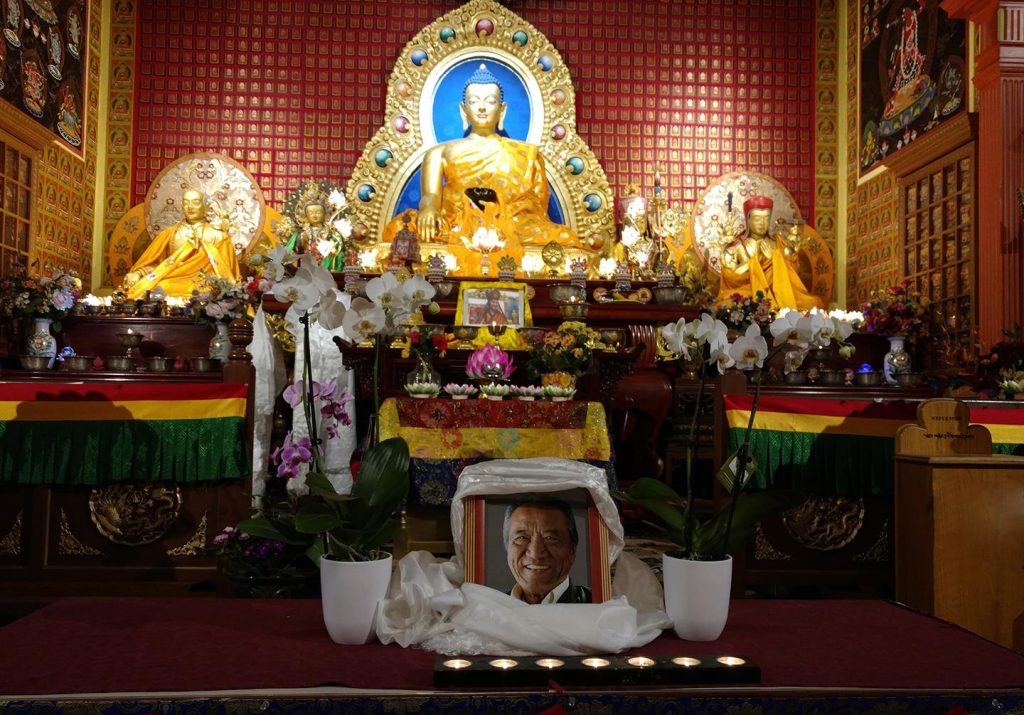
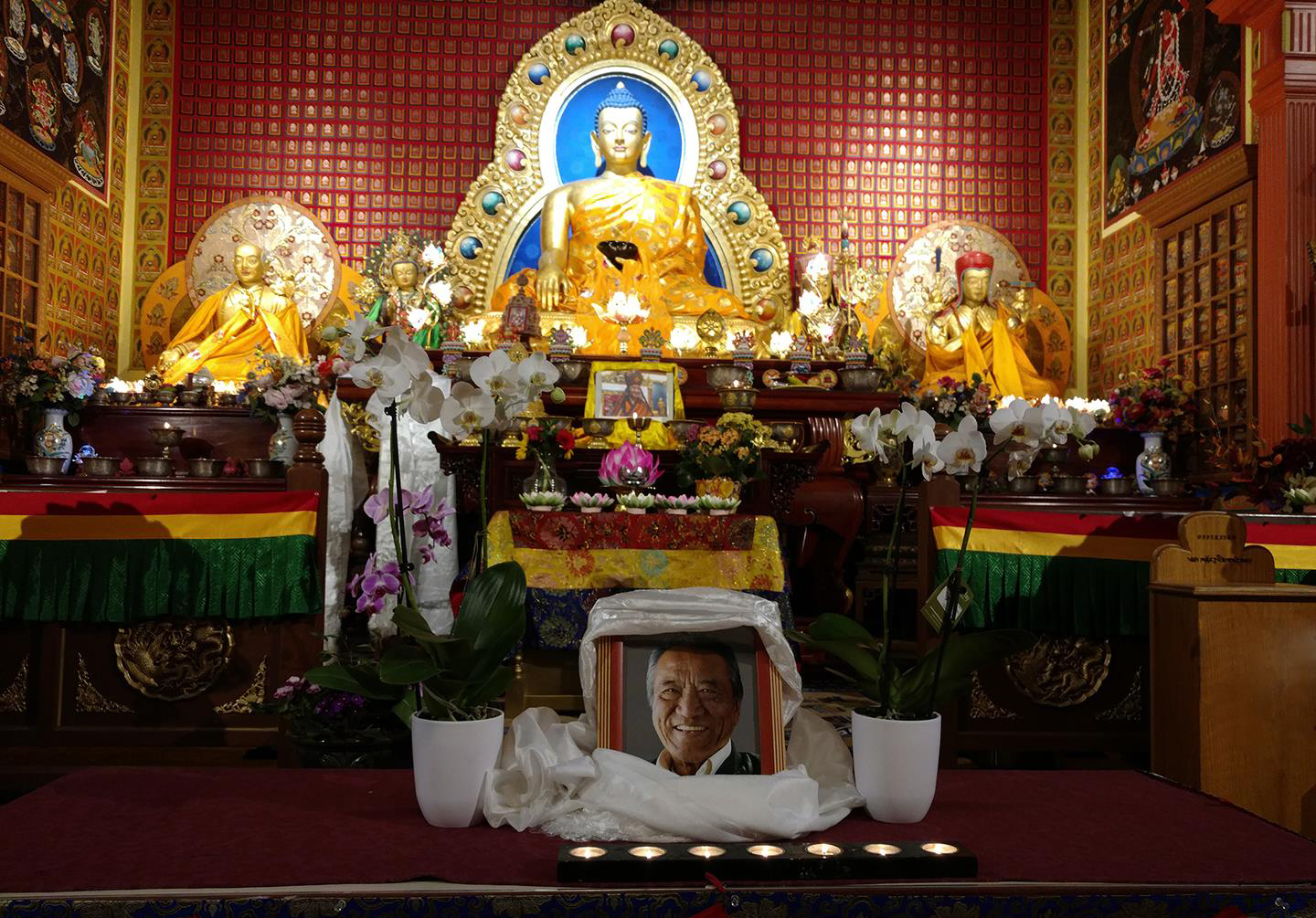
Across the river, the new monastery (built in the 1920s under the 41st Sakya Trizin) mirrors the layout but uses fired brick and timber. Its murals are brighter, the colors less faded, and the main chapel houses a towering statue of Manjushri flanked by lineage portraits. Photography is restricted in both inner sanctums; ask a attendant before raising a camera. The nuns’ hermitage sits higher on the slope — a cluster of whitewashed cells where novices memorize texts before dawn. Visitors are welcome to circumambulate the outer walls, spinning prayer wheels in rhythm with the wind.
- Old Monastery (north bank): 11th‑century fortress architecture, manuscript library, active debate courtyard.
- New Monastery (south bank): 20th‑century reconstruction, vivid murals, Manjushri statue.
- Nunnery (upper slope): morning chanting, meditation cells, limited visitor access — respect silence.
What to Do: Join the Rhythm, Don’t Just Watch
The most meaningful hours come from syncing with the monastic schedule. Arrive at the old assembly hall before 07:00 — the conch shell sounds, monks file in, and the morning puja begins with deep throat chanting that vibrates the floorboards. Stay for the butter‑lamp offering; a novice will hand you a stick of incense and show how to circle the central pillar three times. In the afternoon, find a stone bench near the debate yard and listen — the logic is Tibetan, but the energy is universal. If your visit falls during the summer Vajrakilaya dance festival (usually the fourth lunar month), the courtyard fills with masked dancers, cymbals, and crowds of pilgrims from as far as Kham. Book a guesthouse months ahead for those dates.
- Morning puja: 06:30‑08:00, old monastery assembly hall.
- Debate session: 15:00‑17:00, courtyard behind the main chapel.
- Vajrakilaya festival: fourth lunar month, masked dances, pilgrim market.
- Circumambulation: follow the outer wall clockwise, spin each prayer wheel once.
Eating and Sleeping: Simple Fuel, Thin Walls
Food options cluster near the bus drop‑off. A Tibetan family runs a noodle shop where hand‑pulled thukpa arrives in a wooden bowl — yak meat broth, barley noodles, a dollop of chili paste, and a side of pickled radish. Tea houses serve butter tea in wooden cups; the first sip shocks the palate, the third warms the fingers. For dinner, ask the guesthouse owner to steam momos — minced yak, onion, and garlic wrapped in dough, served with a fiery tomato dip. Vegetarian travelers can request tsampa porridge with dried cheese and wild greens.
Accommodation is basic. The county guesthouse offers clean rooms with shared squat toilets and a solar water heater that works only after a sunny day. A few family courtyards rent out upper‑floor rooms; expect thin quilts, a single bulb, and the sound of neighbors’ televisions through paper‑thin walls. Bring earplugs, a headlamp for power cuts, and a sleeping‑bag liner for extra warmth. Hot showers are a rumor — most places provide a bucket of lukewarm water on request.
- Breakfast: tsampa porridge, butter tea, dried yak cheese.
- Lunch: hand‑pulled thukpa, pickled radish, chili paste.
- Dinner: steamed yak momos, tomato‑chili dip, barley flatbread.
- Sleep: county guesthouse (shared bath), family courtyard rooms (basic heat), bring liner and headlamp.
Common Missteps and Local Expectations
Newcomers often treat Sakya as a checklist — snap the monastery gate, tick the box, leave. That misses the point. Monks and nuns are not exhibits; they are practitioners. Speak quietly inside chapels, remove hats, and never step on thresholds. When a monk offers a blessing thread, accept with both hands and tie it on your wrist — don’t pocket it. Donation boxes sit near statue bases; a small bill (five or ten yuan) is appropriate, not coins scattered on the floor. Altitude hits hard at 4,300 metres: hydrate the night before, ascend slowly from Shigatse, and keep the first day light. Finally, the valley’s rhythm follows the lunar calendar, not the Gregorian one. Festival dates shift each year; ask a guesthouse owner or the monastery office for the current schedule rather than relying on printed guides.
- Dress: long sleeves, covered legs, hat off indoors.
- Behavior: quiet in chapels, no stepping on thresholds, accept blessings with both hands.
- Donations: small bills in boxes, not loose coins.
- Altitude: hydrate early, light first day, carry headache tablets.
- Timing: confirm festival dates locally — lunar calendar shifts annually.
Leaving the Valley: Where the Road Goes Next
When the wind shifts and the barley turns gold, the minivans fill again. Most travelers backtrack to Lhatze and rejoin the Friendship Highway — west toward Everest Base Camp and the Nepal border, east toward Shigatse and Lhasa. A few hardy souls hire a 4×4 for the northern track to Ngamring, where wild asses graze beside salt lakes and the road dissolves into track. Whatever direction you choose, the last sight is the same: the old monastery’s grey walls glowing in evening light, prayer flags snapping, and a lone monk turning a wheel as the valley settles into night.