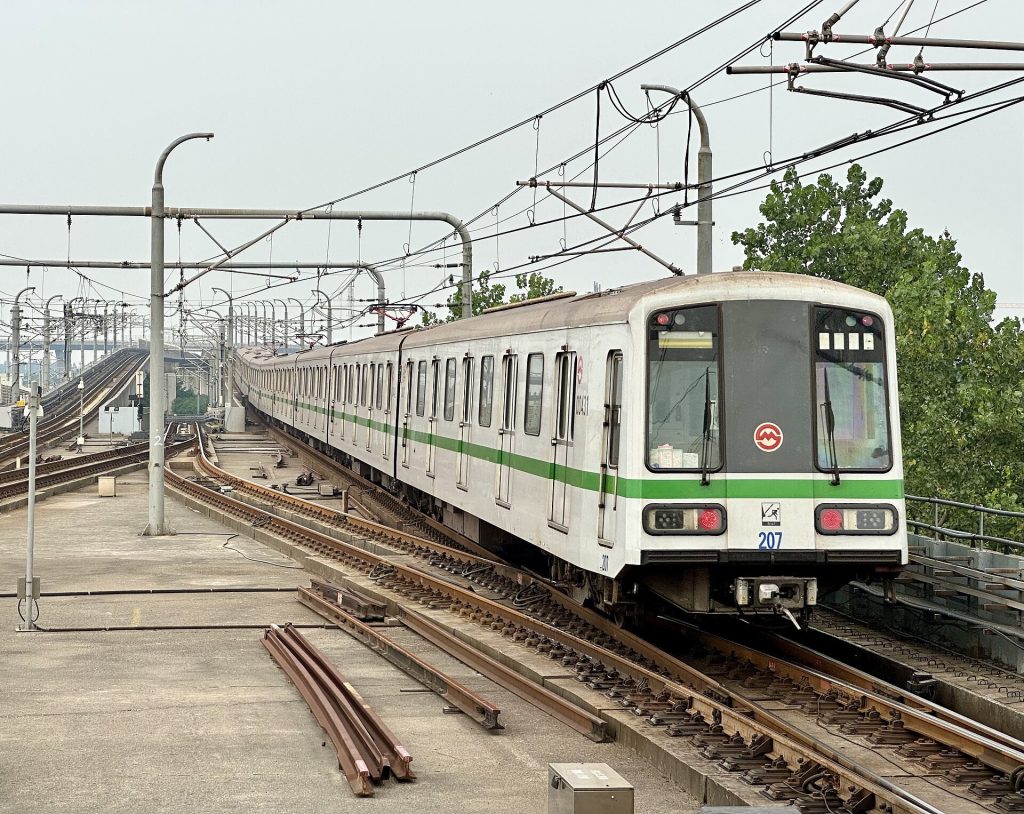
Shanghai Pudong Airport (PVG) connects to the city on Metro Line 2—the workhorse many foreigners actually ride on first arrival. This Lovely China guide focuses on Line 2 flow, not a Maglev comparison remake. Verify live metro notices near your travel week.
Pair with Shanghai Maglev vs metro from PVG, Shanghai Metro first-timers, Shanghai Pudong vs Hongqiao, Pudong airport to city.
When Line 2 is the right default
You have manageable luggage, you want a predictable fare mindset versus surge cars, and your hotel sits near a Line 2 station or an easy transfer. Late-night arrivals should check operating hours on the live board before committing.
Arrival steps that reduce stress
1. Follow bilingual signs for Metro Line 2 after baggage claim.
2. Prepare a metro QR / card / single-journey ticket path that works for foreign phones (Shanghai Metro QR for foreigners, tourist metro cards vs mobile pay).
3. Keep passport and phone in front pockets through security-style checks.
4. Board toward the city; confirm the correct branch/direction on platform screens.
5. If luggage is heavy or the hour is late, Didi may be kinder (Didi ride-hailing for foreigners, Didi airport pickup meeting points).
Transfer notes without getting lost
Line 2 stitches through many hotel districts. Some journeys need a transfer—budget walking time inside large stations. Screenshot your hotel’s nearest exit number in Chinese (Amap Baidu English mode).
Distinct from Maglev pieces
Maglev is a different product and story. This article assumes you already considered speed-versus-hassle and chose the metro spine (Shanghai Maglev vs metro from PVG, Shanghai Maglev and metro).
Common mistakes
Following the wrong direction on a forked line; letting phone battery die before the QR gate; and fighting large suitcases through peak crush when a taxi would have cost less stress than pride.
November evenings
Earlier dark makes exit wayfinding harder—save the hotel pin offline and walk confidently to the marked exit.
Angle: PVG Metro Line 2 arrival for foreigners—distinct from Maglev-vs-metro comparison.
Luggage reality check
Two large suitcases plus a jet-lagged toddler is a taxi problem, not a pride problem. One carry-on and a backpack is classic Line 2. Watch platform gaps and let people exit first (Didi ride-hailing for foreigners).
Ticket failures
If the QR will not display, step out of the gate stream and switch to a machine or customer desk. Forcing a crowd to wait behind a frozen screen helps nobody (Shanghai Metro QR for foreigners, WeChat Pay declined at metro gates).
Hotel last mile
Line 2 gets you close; the last 800 meters may still need a short Didi or walk. Save the hotel entrance photo, not only the pin, because compounds share identical towers.
Contrast reminder
This guide stays on Line 2. For Maglev tradeoffs, read the dedicated comparison (Shanghai Maglev vs metro from PVG). For Hongqiao days, use the other airport playbook (Shanghai Hongqiao airport transfers, Hongqiao vs Pudong transfer).
First-hour decision tree
If your phone has data and a working metro QR, Line 2 is usually the calm default for central hotels. If your phone is dead, buy a single-journey ticket or card with cash/card options the machines accept, then charge on the train if you packed a cable. If it is past operating hours, skip heroics and take a licensed taxi or Didi from the official pickup zone (Didi airport pickup meeting points, taxi cash vs QR for foreigners).
Accessibility and group travel
Families with strollers should budget elevator searches inside big stations. Travelers with mobility limits may prefer curb-to-curb cars even when metro is cheaper. Groups of four with bulky luggage often find a single Didi is less chaos than four suitcases on escalators. There is no moral prize for suffering through the wrong mode.
Language at the gates
Screens are bilingual at PVG-facing stations more often than deep suburban stops. Still save Chinese destination names. If a staff member points you to another exit corridor, follow the finger—station geography beats map pride.
Related Lovely China reading
For payments, start with Alipay and WeChat Pay hub and WeChat Pay vs Alipay for tourists. For trains, keep high-speed rail first-timers guide and 12306 passport signup for foreigners handy. City hubs: Beijing first-visit guide, Shanghai first-visit guide. Connectivity: roaming vs local SIM honest guide, pocket Wi-Fi vs eSIM for China, offline maps for foreigners. Bookmark China travel tools page.
Practical checklist
- Confirm official rules on the relevant government, park, airline, or bank page near your travel week
- Screenshot bookings, tickets, and QR codes while you still have stable Wi-Fi
- Save hotel and attraction names in Chinese characters in your phone notes
- Carry passport, a backup payment method, and a small cash float (why cash is still needed)
- Test one small mobile payment before you rely on wallets at a gate or taxi
- Keep the China travel tools page page bookmarked for related Lovely China hubs
FAQ
Is this travel advice official?
No. Lovely China orients travellers. Verify live rules on official pages, apps, and counters near your travel week.
Will every city behave the same?
No. Airports, stations, parks, and markets differ. Use local signage and staff instructions when they conflict with a general guide.
What should I screenshot before I lose Wi-Fi?
Bookings, tickets, hotel Chinese address, pickup pins, and payment success screens.
Notes for late 2026 travellers
November and early December bring cooler mornings, earlier sunsets, and comfortable walking weather across much of eastern and central China. Pack layers and leave extra time on clear weekends at popular sights.
This article does not invent ticket prices, opening hours, processing times, consular fees, or official statistics. When a number matters, verify it on the official site, app screen, or ticket board near your travel week.
If an official rule page disagrees with this guide, follow the official page. Lovely China orients English-speaking travellers; we are not an immigration, banking, or medical authority.