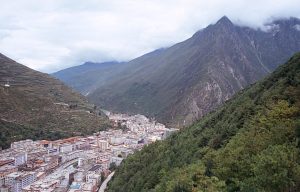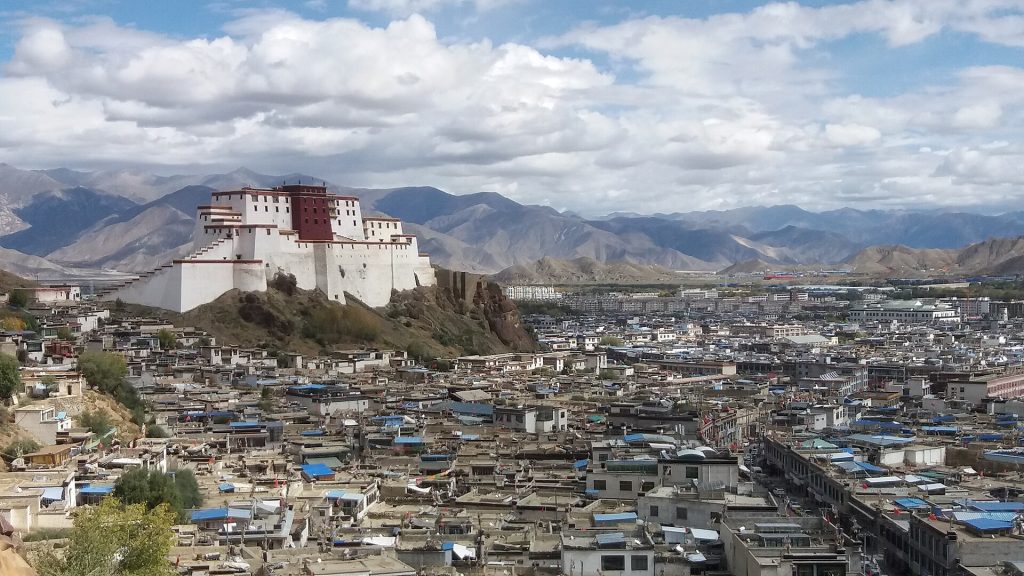
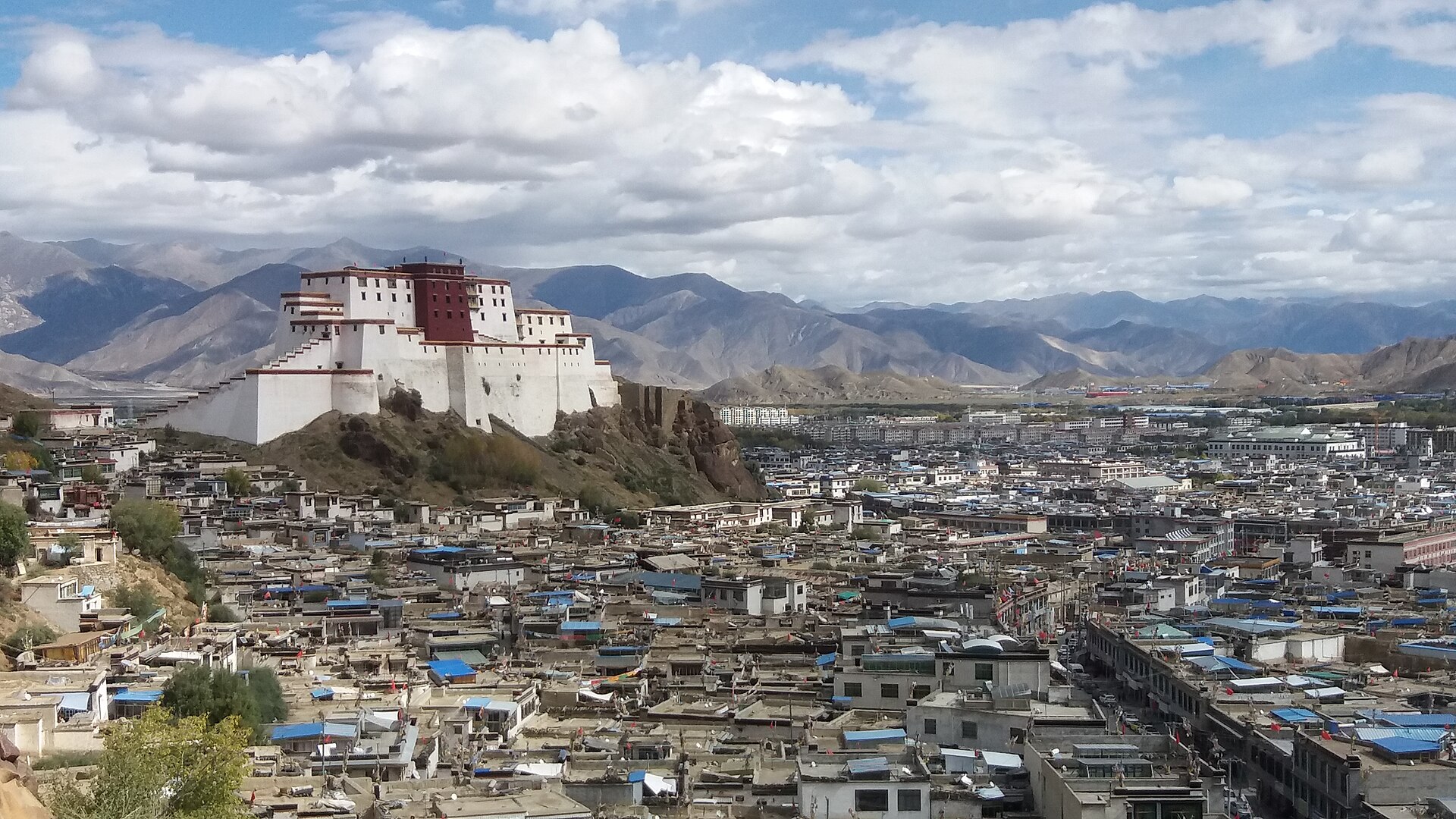
The minibus from Lhasa shudders to a halt beside a row of prayer-flag sellers on Jiefang Road. Steam rises from a thermos of butter tea the driver passes through the window. At 3,800 meters the air is thin enough that your first deep breath feels like inhaling through a straw. This is Shigatse — still called Rikaze by most Tibetans — where the Panchen Lama’s portrait watches over noodle shops and the main square fills with pilgrims spinning prayer wheels before sunset.
Getting There Without Losing a Day
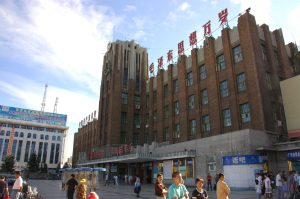
The Friendship Highway rolls southwest from Lhasa past turquoise lakes and military checkpoints. A public bus leaves the Lhasa West Bus Station around dawn and arrives mid-afternoon if the road is clear. Shared minibuses — usually Toyota Hiace vans — leave when full from the parking lot behind the Jokhang area; they are faster but cram eight people into seats built for six. In winter, ice on the Kamba La pass can add two hours. If you fly, Shigatse Peace Airport sits 40 kilometers south of town; a taxi into the center costs roughly 150 yuan and takes 40 minutes along a straight valley road. Trains now terminate at the new station north of the river, a 20-minute drive from the old town.
- Bus from Lhasa: 6–7 hours, departs 07:30–08:30
- Shared minibus: 5–6 hours, leaves when full
- Flight from Chengdu or Xi’an: 2.5–3 hours, plus airport transfer
- Train from Lhasa: 3 hours, two departures daily
Where to Sleep: Monks, Markets, or Motorways
The old Tibetan quarter around Tashilhunpo Monastery hums with butter-lamp smoke and the clatter of wooden rosary beads. Guesthouses here are family-run; rooms have thick quilts, shared squat toilets, and a kettle that never goes cold. Walk five minutes west to the Beijing Road corridor and you hit chain hotels with oxygen canisters at reception and heated floors — useful if you arrive in the depth of winter. For something quieter, cross the Nyangchu River to the new district near the train station; the streets are wider, the air slightly thicker, and you can watch freight trains rumble past the monastery’s golden roofs at dusk.
Tashilhunpo: The Panchen Lama’s City Within a City
Enter through the main gate before 9 a.m. and you beat the tour groups. The complex climbs the hill in tiers: whitewashed monks’ quarters, the Great Golden Stupa holding the 10th Panchen Lama’s remains, and the Maitreya Chapel where a 26-meter future Buddha stares down a corridor of silk khatas. Monks debate in the courtyard — hands clapping, robes flaring — around 3 p.m. on clear days. Bring a headlamp for the inner chapels; butter lamps flicker low and the murals of wrathful deities glow in ways no phone camera captures. Photography is forbidden inside the stupa hall; a monk will tap your shoulder if you forget.
- Open: 09:00–17:00, last entry 16:30
- Ticket: 100 yuan (includes stupa hall)
- Dress: shoulders covered, no hats inside chapels
- Allow: two hours minimum, three if you join a debate session
Market Rhythm: Barley, Yak Cheese, and Second-Hand Prayer Wheels
The daily market spreads along Qinghai Road behind the main mosque. By 7 a.m. women in aprons arrange mounds of tsampa flour beside baskets of dried yak meat and cords of coral beads. This is where locals buy, not where souvenirs are priced for foreigners. Walk the perimeter first: a stall grinding barley into coarse flour with a stone mill, another twisting fresh yak yogurt into cloth bags. If you want a prayer wheel, ask the elderly man near the tea-salt stall — he carves the mantras himself and will show you how to oil the axle so it spins silently. Pay cash; WeChat QR codes work but the signal drops inside the metal-roofed aisles.
Day Trips: Gyantse, Sakya, and the Road to Everest
Gyantse sits 90 minutes east on the Friendship Highway. The Kumbum stupa’s 108 chapels spiral upward; each level narrows until you crouch to enter the topmost shrine. Sakya Monastery, two hours west, guards a library of palm-leaf manuscripts the monks still read by butter-lamp light. For Everest Base Camp, hire a Land Cruiser with a driver who knows the military checkpoint rotation — permits are checked at Tingri, and the road above 5,000 meters closes after heavy snow. Most drivers leave Shigatse at 6 a.m., reach the Rongbuk guesthouse by noon, and return before dark. Altitude sickness hits hard on the return; keep a bottle of oxygen and a packet of glucose tablets in the seat pocket.
- Gyantse: 90 km, 2 hours by minibus from Shigatse long-distance station
- Sakya: 160 km, 3.5 hours, road climbs to 4,500 m
- Everest Base Camp: 340 km round trip, requires Alien Travel Permit + Border Permit
- Driver day rate: 1,200–1,500 yuan including fuel and tolls
What Newcomers Get Wrong
First, they underestimate the altitude. A headache on day one is normal; pushing to Everest on day two is reckless. Spend your first night in Shigatse, drink three liters of water, and skip alcohol. Second, they photograph monks without asking. A nod and a raised camera usually earns a shake of the head; wait for a smile or a gesture before you shoot. Third, they assume every shop accepts mobile pay. The market, small monasteries, and rural guesthouses run on cash — small denominations, crisp notes. Fourth, they pack only light layers. Nights in autumn drop below freezing even when the midday sun burns. A down jacket, windproof shell, and wool hat belong in your daypack year-round. Finally, they rush. The rhythm here is measured in prostrations and butter-tea refills. Sit on a monastery step, watch the light move across the golden roofs, and let the schedule dissolve.